
Beginner’s Guide to Investing Small: Index Funds, IRAs, and Passive Income for Long-Term Wealth
Hey there! You might think you need a massive windfall to start investing, but that’s a total myth. In fact, starting small is the best way to build a solid foundation for your financial future. Whether you have $50 or $500, the key is simply getting your money into the market so time can do its magic. 📈 Think of your portfolio like a garden: you don’t need a full forest on day one; you just need to plant a few seeds and water them consistently. Long-term wealth isn’t about timing the market; it’s about time in the market. By beginning today, you’re giving your future self the gift of compound interest. Let’s dive into how you can start small and win big with this Beginner’s Guide to Investing Small. First, understand that even small amounts add up when you leverage the power of automation. You don’t need a finance degree to be a successful investor. This guide will walk you through the essentials of index funds, IRAs, and building passive income streams. Are you ready to take control of your financial destiny? Let’s get started on this exciting journey toward financial freedom. Every journey begins with a single step, and your path to wealth starts right here and now.

The Magic of Index Funds: Diversification Made Easy
One of the most effective ways to start small is by investing in Index Funds. Instead of trying to pick one winning stock, index funds allow you to buy a tiny piece of hundreds of different companies at once. 🚀 This creates instant diversification, which significantly lowers your risk compared to individual stock picking.
- Low Fees: Most index funds are passively managed, meaning they have very low expense ratios.
- Broad Exposure: You can own the entire S&P 500 with just one fund.
- Historical Success: Historically, broad market index funds have outperformed the majority of actively managed portfolios.
When you buy an index fund, you’re betting on the growth of the overall economy rather than a single entity. It’s a “set it and forget it” strategy that works wonders for beginners. You don’t have to spend hours researching balance sheets or listening to earnings calls. Many platforms now offer fractional shares, so you can start with as little as $1. 💸 This accessibility makes index funds the ultimate tool for the small-scale investor. By consistently buying into these funds, you ensure that your wealth grows steadily over the decades. Don’t underestimate the power of starting with a single share of an ETF. These funds are the backbone of most successful retirement plans and long-term wealth strategies. It’s the smartest way to build a diversified portfolio without needing a million-dollar bank account.

Maxing Out Your Future with IRAs
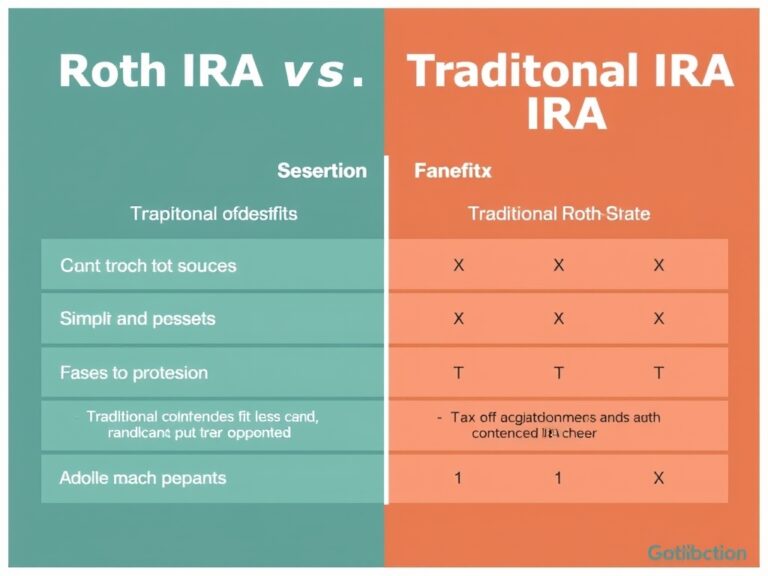
Next, let’s talk about Individual Retirement Accounts (IRAs), which are essential tools for long-term wealth building. IRAs offer incredible tax advantages that help your money grow much faster than a standard savings account. 🏦 There are two main types you should know: the Traditional IRA and the Roth IRA. With a Traditional IRA, your contributions might be tax-deductible now, but you pay taxes when you withdraw the money in retirement. 🛡️ On the flip side, a Roth IRA uses after-tax dollars, meaning your withdrawals in retirement are completely tax-free!
- Roth IRA: Ideal if you expect to be in a higher tax bracket later in life.
- Traditional IRA: Great for immediate tax breaks if you’re earning a high income now.
- Contribution Limits: Be aware of the annual caps set by the IRS.
Choosing the right account depends on your current financial situation and your future goals. Even contributing $50 a month into a Roth IRA can lead to hundreds of thousands of tax-free dollars down the line. It’s all about being strategic with how the government takes its cut. Don’t let the complexity of tax law scare you away from these powerful accounts. They are designed specifically to help everyday people secure their retirement years. Start contributing whatever you can spare today to let those tax benefits compound. Remember that the best time to start was yesterday, but the second best time is right now. Every dollar counts toward your eventual freedom.
Building the Passive Income Snowball
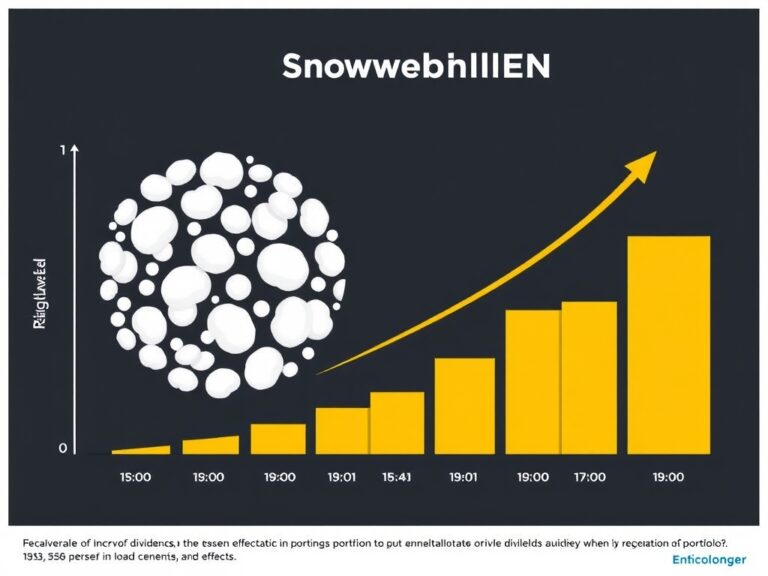
The ultimate dream for many investors is generating passive income—money that works for you while you sleep. 😴 One of the most accessible ways to do this is through dividend-paying stocks or REITs (Real Estate Investment Trusts). When companies make a profit, they often share a portion of those earnings with shareholders in the form of dividends. 💵 By reinvesting these dividends automatically, you trigger a “snowball effect” where your money generates more money, which then generates even more. 🔄
- DRIP: Use a Dividend Reinvestment Plan to buy more shares automatically.
- Consistency: Small monthly additions plus reinvested dividends lead to exponential growth.
- Compound Interest: This is Einstein’s “eighth wonder of the world” in action.
Over time, your passive income can grow large enough to cover your daily expenses, providing true financial independence. You don’t need a rental property to be a real estate investor; REITs allow you to own a share of commercial properties with just a few dollars. This strategy requires patience, but the rewards are life-changing. Focus on buying quality assets that have a track record of increasing their payouts every year. Watching your account balance grow through dividends is incredibly motivating. It transforms your relationship with money from a spender to an owner. Before you know it, your small initial investments will have transformed into a reliable stream of cash flow. Keep your eyes on the long-term prize and let the dividends do the heavy lifting for you.
Staying the Course for Long-Term Wealth
Finally, the most important part of investing small is your mindset and your ability to stay consistent. ⚓ The stock market will have its ups and downs, but long-term wealth is built by those who don’t panic during the dips. 📉 Instead of checking your balance every day, focus on your long-term vision and keep your automated contributions running. 🤖 Emotional investing is the enemy of progress, so try to keep a level head when headlines get scary. Remember, market corrections are actually “sales” where you can buy more shares at a lower price! 🛍️
- Automate Everything: Set up a recurring transfer so you never forget to invest.
- Avoid Fads: Stick to your index funds and IRAs instead of chasing the latest “meme” stock.
- Stay Educated: Continue learning, but don’t overcomplicate your strategy.
Success in the market is more about temperament than it is about intellect. If you stay the course for 10, 20, or 30 years, you will be amazed at what you’ve built starting from almost nothing. Your future self will thank you for the discipline and foresight you’re showing today. Keep your goals in sight, ignore the noise, and trust the process of long-term wealth creation. Wealth isn’t just about the number in your bank account; it’s about the freedom and security it provides for your family. You’ve got the tools and the knowledge, so now it’s time to take action! Your journey to financial freedom starts with a single, small step taken today.