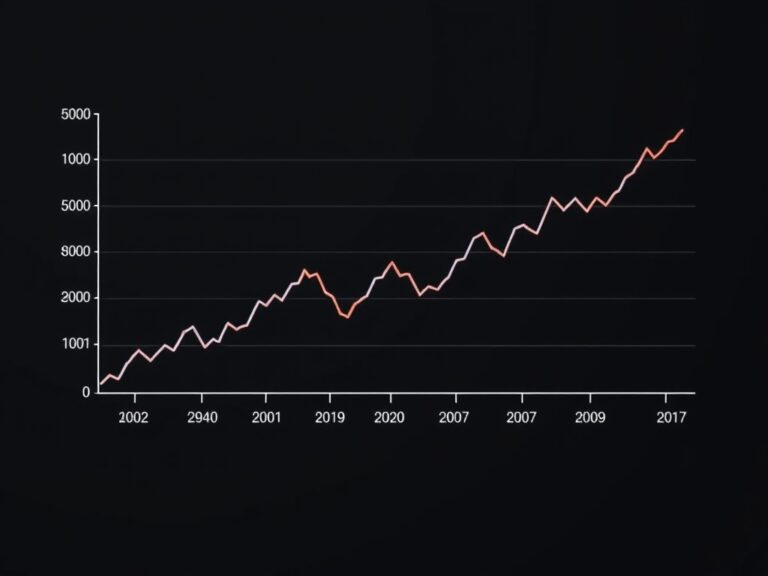
Start Investing Small: Beginner Guide to Index Funds, IRAs, Passive Income, and Long-Term Wealth
🚀 The Power of Starting Small
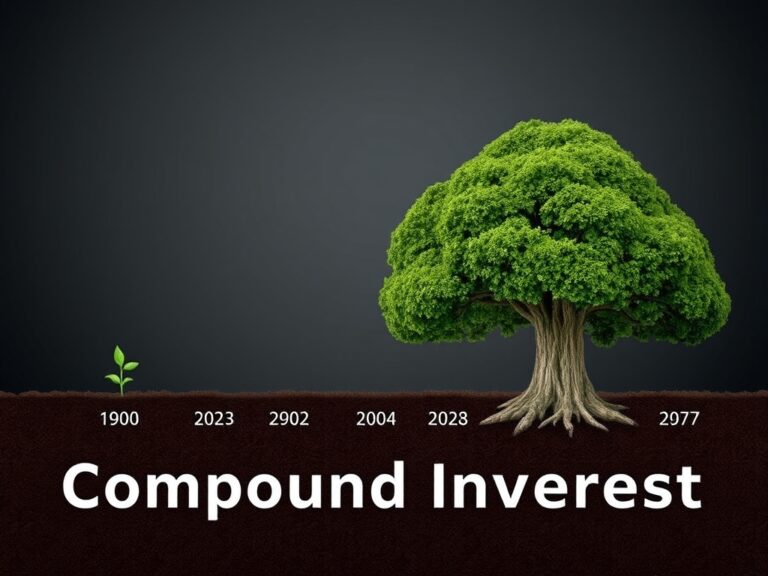
Hey there! If you’ve ever felt like the world of finance is a playground reserved only for the wealthy, I’m here to tell you that’s a total myth. You don’t need a mountain of cash to begin building your empire; in fact, starting small is often the smartest move you can make. By putting even a tiny portion of your income into the market today, you are enlisting the help of your greatest ally: compound interest. Think of your money like a small snowball at the top of a hill; the sooner you start rolling it, the bigger it becomes by the time it reaches the bottom. Investing for beginners is all about consistency rather than timing the market perfectly. Many people wait for the ‘right moment’ or until they have five figures saved up, but that delay can cost you thousands in potential growth. Today, with fractional shares and zero-commission apps, the barriers to entry have completely vanished. You can literally start with the price of a fancy latte and watch it grow over decades. It’s about changing your mindset from a spender to an owner. By automating your contributions, you remove the stress of decision-making.
- Start early to maximize time
- Automate small contributions
- Focus on the long-term goal
Small steps today lead to massive leaps tomorrow. Let’s dive into how you can make your first move with confidence.
📊 Why Index Funds are a Beginner’s Best Friend
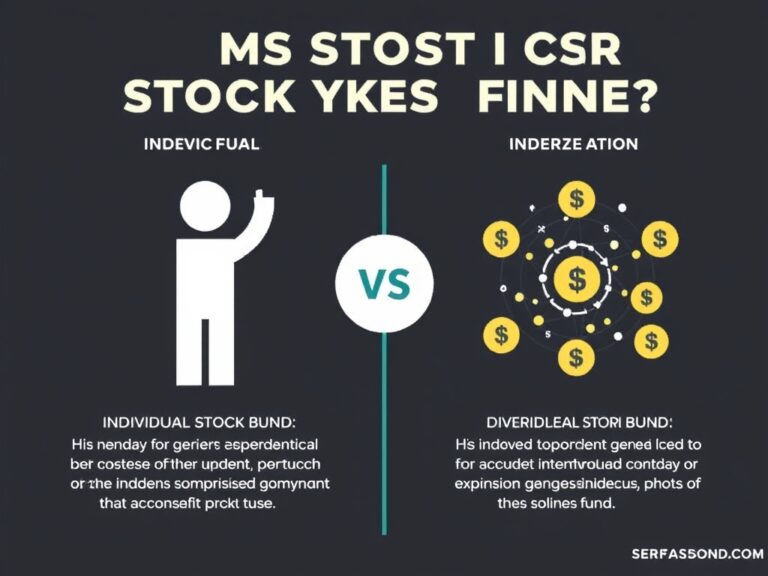
Now, you might be wondering where exactly to put that first $20 or $100, and my top recommendation for beginners is almost always Index Funds. An index fund is essentially a basket of stocks that tracks a specific market index, like the S&P 500, which includes the 500 largest companies in the U.S. Instead of trying to pick one winning stock—which is incredibly risky—you’re buying a tiny piece of hundreds of successful businesses all at once. This strategy provides instant diversification, meaning if one company hits a rough patch, your overall portfolio isn’t ruined because the others help carry the load. Index funds are famous for their low expense ratios, which is just a fancy way of saying they don’t charge you much to manage your money. Over long periods, these funds have consistently outperformed most professional stock pickers who try to outsmart the market. It’s a ‘set it and forget it’ approach that lets you sleep soundly at night while your wealth builds quietly in the background. By choosing an index fund, you are betting on the long-term growth of the economy rather than a single CEO’s performance.
- Lower risk through diversification
- Low management fees
- Historically consistent returns
It’s the ultimate tool for passive wealth building without the stress of daily price fluctuations. These funds are available through almost every major brokerage platform. You can start with broad market exposure and scale up as you learn. Reliability is the cornerstone of this investment philosophy.
🏦 Choosing the Right Account: The Magic of IRAs
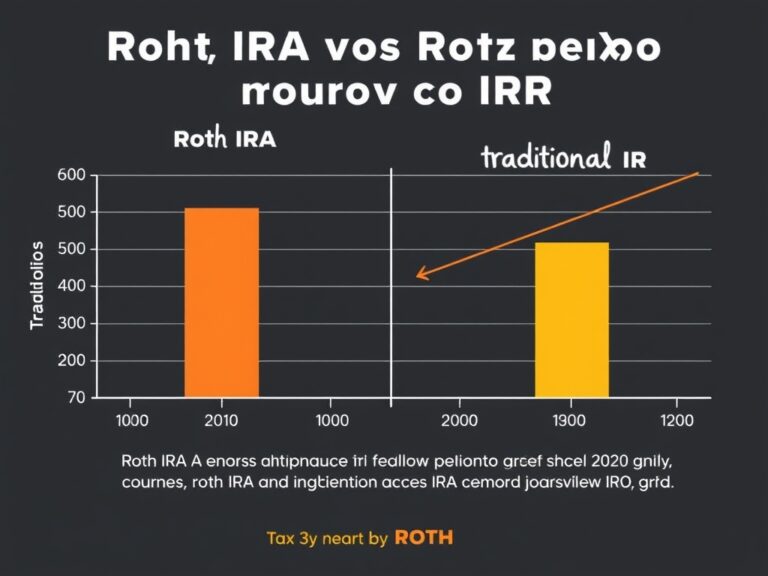
While choosing the right investments is crucial, where you hold those investments matters just as much for your bottom line, and that’s where Individual Retirement Accounts (IRAs) come into play. An IRA is like a specialized container for your investments that offers massive tax advantages provided by the government. There are two main types you should know about: the Traditional IRA and the Roth IRA. With a Traditional IRA, your contributions might be tax-deductible now, which lowers your current taxable income. However, the Roth IRA is often the darling of long-term investors because you contribute after-tax dollars, and then your money grows 100% tax-free forever. Imagine reaching retirement and being able to withdraw all that growth without giving a single cent to the IRS! Most brokerage platforms make it incredibly easy to open these accounts in just a few minutes online. If you start contributing even a small amount to a Roth IRA in your 20s or 30s, the tax savings by age 60 could be worth a small fortune.
- Roth IRA for tax-free growth
- Traditional IRA for immediate tax breaks
- Annual contribution limits apply
It’s one of the most effective ways to ensure your long-term wealth remains in your pocket. Think of it as a gift from your present self to your future self. Tax efficiency can often double your final portfolio value compared to a standard account. Don’t overlook these powerful tax-sheltered vehicles.
💸 Turning Your Portfolio into a Passive Income Stream
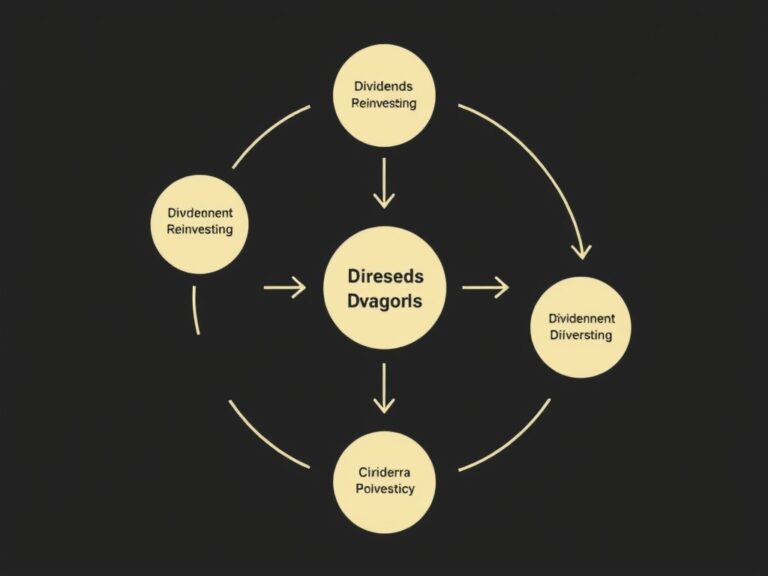
One of the most exciting aspects of starting your journey is the realization that your money can eventually start working harder than you do through passive income. When you invest in index funds or dividend-paying stocks, companies often distribute a portion of their profits back to you in the form of dividends. At first, these payments might only be a few cents or dollars, but when you reinvest them, you buy more shares, which leads to even larger dividends next time. This is the ‘flywheel effect’ of wealth creation where your assets generate income that buys more assets automatically. Over time, this passive stream can grow large enough to cover your monthly bills or even your entire lifestyle. You aren’t just saving for a rainy day; you are building a money-making machine that operates while you sleep, travel, or spend time with family. The key is to avoid the temptation to spend those early dividends and instead let them compound. By focusing on yield and growth, you are effectively buying back your future time.
- Dividend reinvestment plans (DRIPs)
- Building a self-sustaining portfolio
- Reducing reliance on a 9-to-5 job
This transition from active labor to passive ownership is the ultimate goal of any savvy investor. Passive income provides the freedom to choose how you spend your days. It’s the literal definition of making your money work for you. Start tracking your dividend income today to see the progress.
⏳ The Secret Ingredient: Consistency and Patience
The final piece of the puzzle isn’t a complex math formula, but rather your own behavior and long-term consistency. The market will go up and it will certainly go down, but the secret to success is staying the course when things get bumpy. Dollar-cost averaging is a powerful technique where you invest a fixed amount of money at regular intervals, regardless of the share price. This means you naturally buy more shares when prices are low and fewer when prices are high, lowering your average cost over time. Successful investing is often ‘boring’ because it requires patience and the discipline to not panic-sell during a downturn. Remember that wealth is built in the valleys, not just on the peaks, because that’s when your consistent contributions buy the most value. If you treat your brokerage account like a high-yield savings account that you never touch, you’ll be shocked at what you can achieve in a decade.
- Ignore short-term market noise
- Keep your eyes on the 20-year horizon
- Automate your monthly contributions
Don’t wait for the perfect economic climate to start, because that climate doesn’t exist. The best time to start was yesterday, and the second best time is right now. Commit to your future self today by making that first small deposit and letting time do the heavy lifting for you. Consistency beats intensity every single time in the world of finance. Keep your eyes on the horizon and ignore the daily noise. Your future self will thank you for the courage to begin today.