
Beginner’s Guide to Investing: Small Budgets, Smart Choices, and Future Wealth
💰
Beginner’s Guide to Investing: Small Budgets, Smart Choices, and Future Wealth
Welcome to your journey toward financial freedom, a path that is far more accessible than most people realize. Many beginners believe they need a massive bankroll to start investing, but the truth is that future wealth is built one small step at a time. By starting with a small budget, you are actually giving yourself the most valuable asset in the world of finance: time. In this guide, we will explore how you can make smart choices today that will compound into significant returns over the next decade. Think of investing not as a gamble, but as a disciplined way to grow your hard-earned money while you sleep. Whether you have $50 or $500 to spare each month, the key is simply to get off the sidelines and into the game. We’ll cover the basics of market mechanics, risk management, and the psychological mindset required to stay the course. Investing is essentially delayed gratification, where you trade a little bit of today’s spending for a lot of tomorrow’s security. It’s about building a safety net that eventually turns into a springboard for your dreams and aspirations. Let’s dive into how you can transform your financial life, starting right now with the resources you already have at your disposal. Taking this first step is often the hardest part of the entire process for many newcomers. However, once you see your first few dollars of growth, the motivation to continue building will naturally follow.
🏦
Building a Rock-Solid Financial Foundation
Before you buy your first stock or fund, it is crucial to ensure your financial house is in order to avoid unnecessary risks. Smart investing starts with a solid foundation, which includes building an emergency fund of three to six months of expenses and paying off high-interest debt like credit cards. If you invest while paying 20% interest on a loan, you are effectively losing money because market returns rarely consistently beat those high rates. Once those hurdles are cleared, you should define your financial goals, whether they are for retirement, a house down payment, or a travel fund. Clear objectives help you determine your risk tolerance and the appropriate time horizon for your investments. You should also familiarize yourself with the concept of inflation and why keeping all your cash in a standard savings account might actually be losing you purchasing power over time. Investing is the most effective way to combat inflation and ensure your money maintains its value.
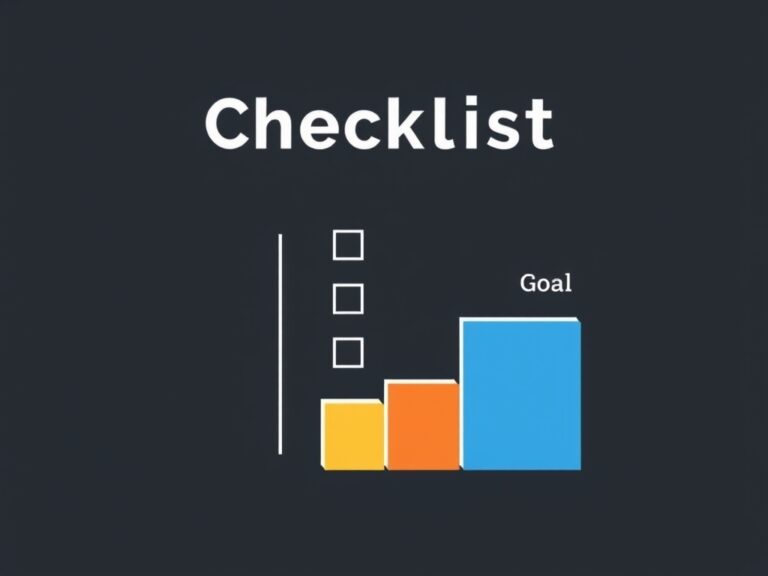
- Step 1: Save an emergency fund to cover unexpected life events.
- Step 2: Pay off toxic debt to stop interest from eating your gains.
- Step 3: Define your “Why” to keep your long-term motivation high.
By checking these boxes first, you ensure that you won’t be forced to sell your investments during a market downturn just to cover a car repair. This stability allows you to be a long-term player in the market, which is where the real wealth is generated.
🚀
Modern Tools for Small-Budget Investing
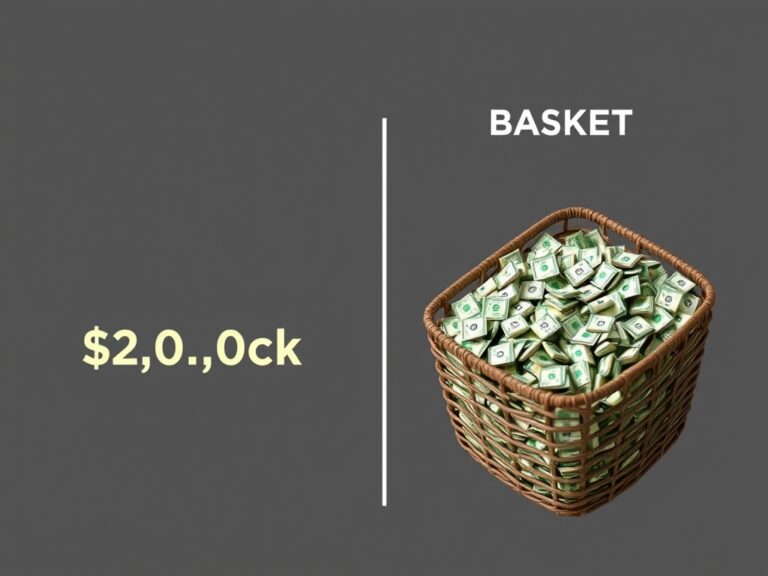
Technological advancements have democratized the financial markets, making it easier than ever for those with small budgets to participate. You no longer need to pay high brokerage fees or buy whole shares of expensive companies like Amazon or Google; instead, you can utilize fractional shares. Many modern platforms allow you to invest as little as $1 into diversified portfolios, meaning you can own a tiny piece of hundreds of companies simultaneously. A popular choice for beginners is the Exchange-Traded Fund (ETF), which acts like a basket of stocks that tracks a specific index like the S&P 500. This approach provides instant diversification, reducing the risk associated with any single company failing or underperforming. Index funds are often recommended by experts like Warren Buffett because they offer low fees and historically reliable returns over long periods.
- Fractional shares allow you to buy $5 of a $3000 stock effortlessly.
- ETFs offer broad market exposure with minimal effort and low costs.
- Robo-advisors can automate the entire process for a very small fee.
By automating your contributions, you remove the emotional burden of trying to “time the market,” which is a mistake even professionals often make. Starting small allows you to learn the ropes without the stress of losing a life-changing sum of money while you’re still gaining experience.
📈
The Magic of Compounding and Consistency
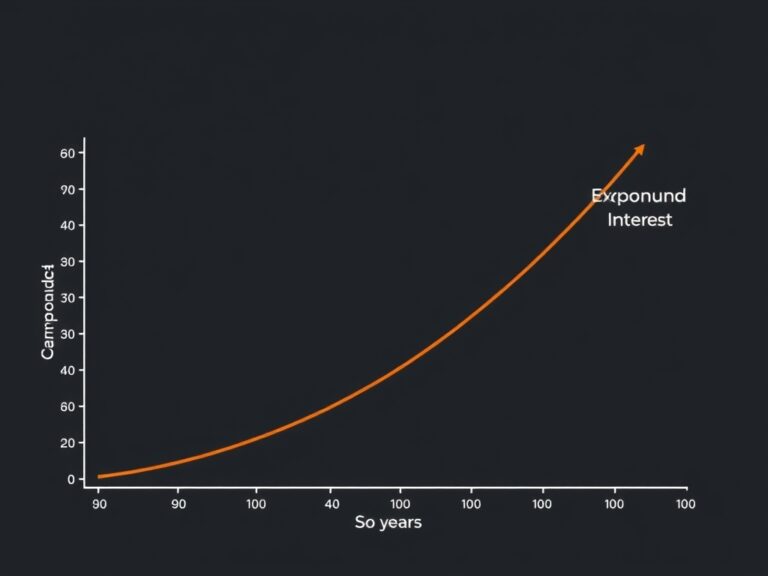
The true “magic” of the stock market isn’t found in picking the next “moonshot” stock, but in the relentless power of compound interest. Compound interest is essentially earning interest on your interest, and it is the primary engine behind future wealth for the average person. When you reinvest your dividends and gains, your account balance grows exponentially rather than linearly, creating a snowball effect over time. This is why consistency is far more important than the specific amount you invest each month; a small amount invested regularly can outperform a large lump sum invested much later. Using a strategy called Dollar-Cost Averaging (DCA), you buy more shares when prices are low and fewer when they are high, lowering your average cost over time. Patient investors understand that market volatility is normal and that “time in the market” beats “timing the market” every single time. Imagine a scenario where you invest just $200 a month at an 8% return; in 30 years, you would have nearly $300,000, despite only contributing $72,000 of your own money.
- Time is your greatest ally in wealth building and cannot be replaced.
- Reinvesting dividends accelerates your growth significantly through the power of compounding.
- Market dips are actually “sales” for long-term investors looking to buy more.
Stay focused on the long-term horizon and resist the urge to panic-sell during temporary economic downturns.
🛡️
Smart Strategies for Taxes and Diversification
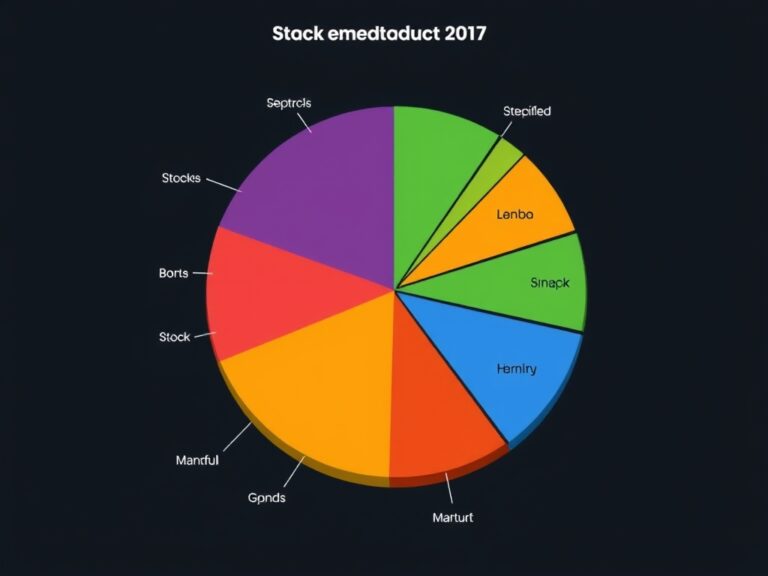
To maximize your returns, you must be strategic about where you hold your assets and how you manage tax efficiency. Utilizing tax-advantaged accounts like a 401(k) or an Individual Retirement Account (IRA) can save you thousands of dollars in taxes over your lifetime. If your employer offers a 401(k) match, that is essentially a 100% return on your money and should be your first priority in your beginner’s guide to investing. Beyond tax strategy, maintaining a diversified portfolio ensures that you aren’t over-exposed to one specific sector, like tech or energy, which could experience a sudden decline. A balanced mix of stocks, bonds, and perhaps international assets helps smooth out the ride and protects your capital during turbulent times. It is often wise to review your portfolio annually to ensure your current holdings still align with your long-term vision. Understanding the fees associated with different funds is also critical, as high expense ratios can eat away at your growth over decades.
- 401(k) matches are “free money” you shouldn’t leave on the table.
- Roth IRAs allow for tax-free growth and tax-free withdrawals in retirement.
- Asset allocation should be based on your age and risk appetite.
Remember that the goal is not to get rich quick, but to build a sustainable and resilient financial future that can weather any storm. By diversifying across different industries and geographic regions, you ensure that your portfolio remains healthy even if one part of the global economy struggles.
🏁
Taking Action and Securing Your Future
In conclusion, the path to building future wealth is not reserved for the elite or the mathematically gifted; it is available to anyone willing to start with a small budget and a disciplined plan. The most important step you can take today is simply to open an account and make your first contribution, no matter how small it may feel at the time. Education is a continuous process, so keep reading, keep learning, and stay curious about how the global economy functions and how you can benefit from it. Don’t let the fear of loss or the complexity of financial jargon stop you from securing your financial independence and peace of mind. Your future self will look back at this moment as the turning point when you decided to take control of your financial destiny and prioritize your long-term well-being. Investing is a marathon, not a sprint, so pace yourself, stay the course, and enjoy the journey as you watch your wealth grow over the years.
- Start today, even with just $5 or $10 to get moving.
- Automate your investments to make consistency effortless and stress-free.
- Focus on the long-term goal rather than daily market noise and headlines.
You have the tools, the knowledge, and the opportunity—now it’s time to take action and make your money work for you.