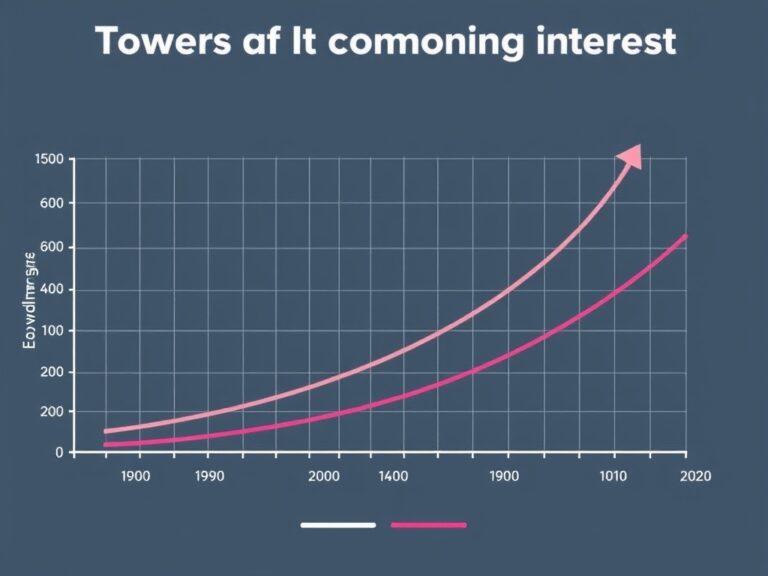
Investing for Beginners: How to Start Small with Index Funds, IRAs, and Passive Income Strategies for Long Term Success
Welcome, future investor! Are you ready to take control of your financial future but feel a bit intimidated by the world of investing? You’re not alone! Many people think investing requires a hefty sum or advanced knowledge, but that’s simply not true. This post is designed to be your friendly guide, breaking down how you can start investing for beginners, even with a small amount of money. We’ll explore accessible options like index funds and IRAs, and touch upon building passive income streams for long-term success. Remember, the most important step is the first one, and starting small is a perfectly valid and smart way to begin. Think of it as planting a small seed that, with time and consistency, will grow into a robust financial tree. We’ll demystify jargon and provide actionable steps so you can feel confident in your investment journey. Get ready to unlock the power of compounding and watch your money work for you! Investing isn’t just for the wealthy; it’s for anyone willing to learn and take consistent action towards their financial goals. Let’s dive in and make your money work harder!
Let’s start with the magic of index funds. Imagine you want to invest in the stock market, but picking individual stocks feels overwhelming. Index funds are your answer! They are essentially a basket of stocks or bonds designed to track a specific market index, like the S&P 500. When you invest in an S&P 500 index fund, you’re essentially buying a tiny piece of all 500 of the largest U.S. companies. This diversification is crucial because it reduces your risk; if one company does poorly, others might do well, balancing things out. They are also known for their low fees compared to actively managed funds, which means more of your money stays invested and working for you. For beginners, index funds offer a simple, effective way to gain broad market exposure without needing to research individual companies. Think of it as buying a ‘slice’ of the entire market rather than trying to pick the ‘best’ single piece. It’s a cornerstone of smart, long-term investing. You can easily invest in these through various brokerage accounts, many of which allow you to start with very small amounts. The key is consistent investment, even if it’s just $50 or $100 a month. This strategy is often referred to as ‘passive’ investing because it requires minimal ongoing management from you. Diversification is key to managing risk, and index funds are a fantastic tool for achieving it. So, if you’re looking for a straightforward way to enter the investment world, index funds are an excellent starting point. They embody the ‘set it and forget it’ approach that many beginners find appealing.

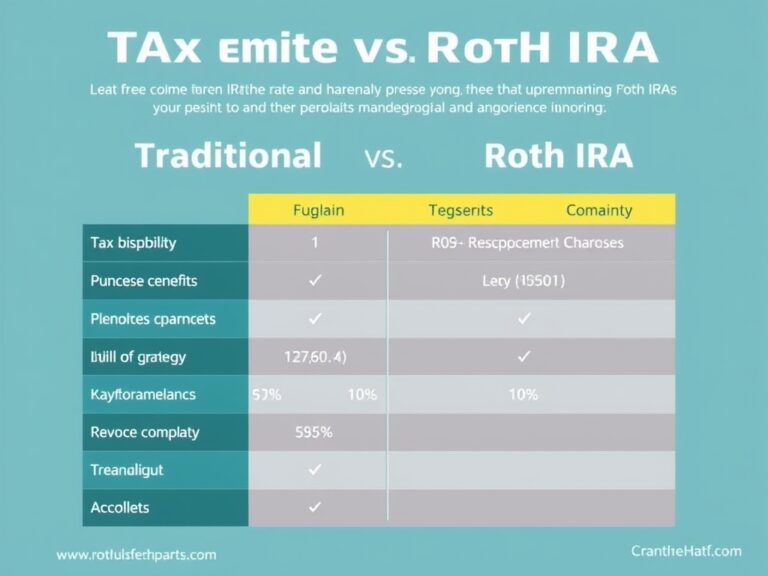
Next up, let’s talk about IRAs (Individual Retirement Arrangements). These are powerful, tax-advantaged investment accounts specifically designed to help you save for retirement. There are two main types: Traditional IRAs and Roth IRAs, each offering different tax benefits. With a Traditional IRA, your contributions may be tax-deductible in the year you make them, meaning you could lower your taxable income now. Your money then grows tax-deferred, and you’ll pay ordinary income tax on withdrawals in retirement. On the other hand, a Roth IRA is funded with after-tax dollars, meaning no upfront tax deduction. However, your money grows completely tax-free, and qualified withdrawals in retirement are also tax-free. For many beginners, especially younger investors who expect their income (and tax bracket) to be higher in the future, a Roth IRA can be incredibly advantageous. Both IRA types allow you to invest in a wide range of assets, including those low-cost index funds we just discussed! They are excellent tools for ‘investing for beginners’ because they encourage long-term saving and provide significant tax benefits that can dramatically boost your overall returns over decades. Opening an IRA is often as simple as opening a brokerage account, and many allow you to set up automatic contributions, making it easier to stay consistent.
- Traditional IRA: Tax-deductible contributions, tax-deferred growth, taxes paid on withdrawal.
- Roth IRA: After-tax contributions, tax-free growth, tax-free qualified withdrawals.
Start contributing early and consistently to maximize the power of tax-advantaged growth for your retirement savings. It’s a smart way to secure your future financial well-being.
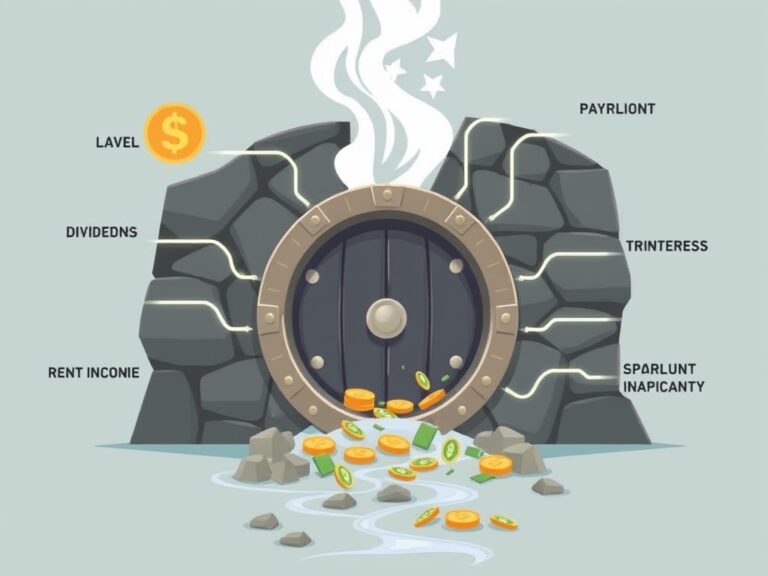
Now, let’s sprinkle in the exciting concept of passive income. While not strictly an investment vehicle like stocks or bonds, passive income strategies are about earning money with minimal ongoing effort after the initial setup. Think of it as building income streams that flow in regardless of your day-to-day work. Some popular passive income strategies include earning dividends from stocks (which index funds often hold!), earning interest from bonds or savings accounts, or even creating digital products that can be sold repeatedly. Real estate can also be a source of passive income through rental properties, though this often requires more capital and active management initially. The beauty of passive income for beginners is that it can complement your primary income and investment growth. As your index funds and IRA investments grow, they can start generating income through dividends or interest. This income can then be reinvested to accelerate your wealth-building journey, thanks to the power of compounding. Starting small with passive income could mean setting up a high-yield savings account to earn interest, or investing in dividend-paying index funds. The goal is to create multiple income streams that work for you 24/7. Consistency and patience are vital. While ‘passive’ implies minimal effort, it often requires significant upfront work or capital to establish. However, the long-term reward of having money come in without constant active involvement is incredibly powerful for achieving financial freedom. It’s about building a system that generates wealth over time.
So, how do you put it all together for long-term success? The core principle is consistency, coupled with a long-term perspective. Start small, automate your investments if possible, and resist the urge to check your portfolio daily. The stock market experiences fluctuations, but historically, it has trended upwards over long periods. By investing consistently in diversified assets like index funds within tax-advantaged accounts like IRAs, you’re setting yourself up for significant growth. Reinvesting any dividends or interest earned is a powerful way to accelerate this growth through compounding – where your earnings start earning their own earnings. Think of your investment journey like running a marathon, not a sprint; it requires endurance and a steady pace. Avoid emotional decisions based on short-term market news. Focus on your goals and stick to your plan. As your confidence and capital grow, you can explore other investment avenues, but these foundational strategies are perfect for beginners. Remember, the goal is not to get rich quick, but to build sustainable wealth over time.
- Start Early: The sooner you begin, the more time compounding has to work its magic.
- Be Consistent: Regular contributions, no matter how small, add up significantly.
- Stay Invested: Ride out market ups and downs with a long-term view.
- Keep Costs Low: Opt for low-fee investments like index funds.
By embracing these principles, you’re laying a solid foundation for a secure and prosperous financial future. Your future self will thank you for the consistent effort you put in today!