
How to Start Investing with Little Money: Index Funds, Roth vs Traditional IRA, and Passive Income Ideas for Long-Term Success
Embarking on your investment journey doesn’t require a bulging bank account. Many people believe you need a substantial sum to even begin investing, but that’s simply not true in today’s financial landscape. The key is to start smart, even with just a little bit of money. We’ll explore how to kickstart your wealth-building process, focusing on accessible options like index funds, understanding the nuances of Roth vs. Traditional IRAs, and uncovering passive income streams that can grow over time. Think of this as your friendly guide to making your money work for you, no matter your starting capital. It’s about making informed decisions today for a more secure financial tomorrow. The world of investing can seem intimidating, but by breaking it down into manageable steps, you’ll find it’s more achievable than you ever imagined. Let’s dive in and demystify the process of building wealth, one small step at a time.

One of the most powerful tools for beginners is the **index fund**. Imagine a basket holding a small piece of many different stocks or bonds, designed to mirror the performance of a specific market index, like the S&P 500. Instead of picking individual stocks, which can be risky and time-consuming, you’re essentially buying a diversified portfolio in one go. This diversification is crucial because it spreads your risk; if one company performs poorly, the others can help offset the loss. For those starting with little money, index funds are ideal because they often have low fees and require minimal investment to get started. Many investment platforms allow you to invest in index funds with very small amounts, making them incredibly accessible. They offer a hands-off approach, ideal for busy individuals who want to benefit from market growth without constant monitoring. The long-term compounding effect of index fund investments is where the real magic happens, steadily growing your wealth over the years.
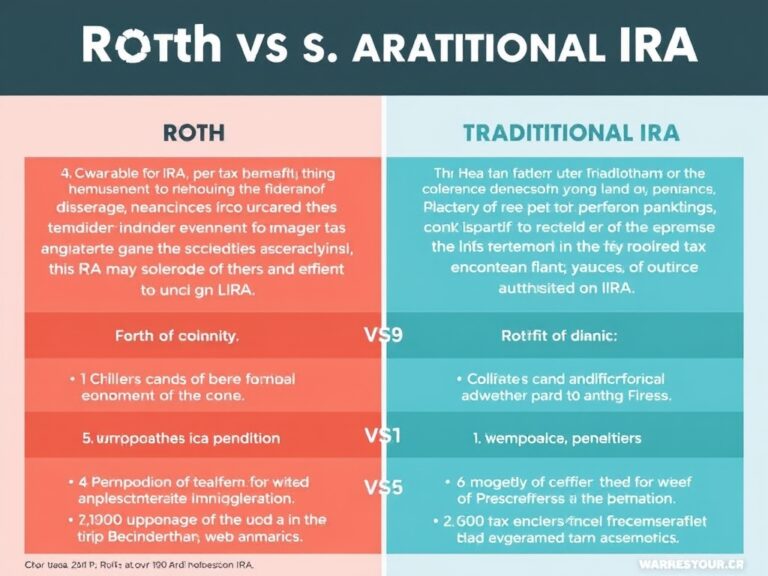
When it comes to retirement savings, understanding the difference between a **Roth IRA** and a **Traditional IRA** is paramount, especially when starting with limited funds. A Traditional IRA offers potential tax-deferred growth, meaning you might get a tax deduction on your contributions now, but you’ll pay taxes on withdrawals in retirement. Conversely, a Roth IRA uses after-tax contributions; you won’t get a deduction now, but your qualified withdrawals in retirement are tax-free. For many young investors or those just starting their careers with lower incomes, a Roth IRA often makes more sense. The reasoning is simple: you’re likely in a lower tax bracket now than you will be in the future, so paying taxes on your contributions now is more advantageous than paying higher taxes on your withdrawals later. Both offer powerful ways to save for the future, but the tax implications can significantly impact your long-term returns, so choose wisely based on your current and projected financial situation.
Beyond traditional investments, exploring **passive income ideas** can significantly accelerate your wealth-building journey, even with minimal initial capital. Passive income is earnings derived from an enterprise in which a person is not actively involved on a regular basis. Think about creating and selling digital products like e-books or online courses on a topic you’re passionate about and knowledgeable in. While this requires upfront effort, it can generate income long after the initial work is done. Another avenue is dividend-paying stocks or index funds, where you receive a portion of a company’s profits. Even small amounts invested in these can start generating a trickle of income that can be reinvested to buy more shares, creating a compounding effect. Peer-to-peer lending or even affiliate marketing can also be explored, requiring different levels of initial investment and effort, but all aiming to put your money to work for you with less day-to-day involvement. The key is to find something that aligns with your skills and interests, and to be patient as these streams grow.
The journey to long-term financial success is a marathon, not a sprint, and consistency is your greatest ally. Starting with little money means you need to be disciplined and patient. Automate your savings and investments whenever possible; set up automatic transfers from your checking account to your investment account each payday, even if it’s just $25 or $50. This ‘set it and forget it’ approach removes the temptation to spend the money and ensures you’re consistently building your portfolio. Regularly review your investment performance, but avoid making impulsive decisions based on short-term market fluctuations. Focus on the long game, understanding that market downturns are a normal part of investing and often present buying opportunities. Educate yourself continuously about personal finance and investing strategies. The more you learn, the more confident you’ll become in managing your money and making decisions that align with your goals. Remember, the most successful investors are those who stay committed, stay informed, and stay patient.