How to Start Investing with Little Money: A Guide to Index Funds, IRAs, and Passive Income for Long-Term Success
Ever thought about investing but felt like you needed a small fortune to even get started? You’re not alone! Many people believe investing is only for the wealthy, but that couldn’t be further from the truth. The good news is, you can absolutely begin your wealth-building journey with just a little bit of money. Think of it as planting a tiny seed that, with time and care, can grow into a mighty tree. In this guide, we’re going to explore how you can start investing, even with a small amount, focusing on smart strategies like index funds and IRAs, and how to even generate passive income over time for long-term financial success. We’ll demystify the world of investing, making it accessible and understandable for everyone ready to take control of their financial future. Get ready to learn how to make your money work for you, no matter how modest your initial investment might be.
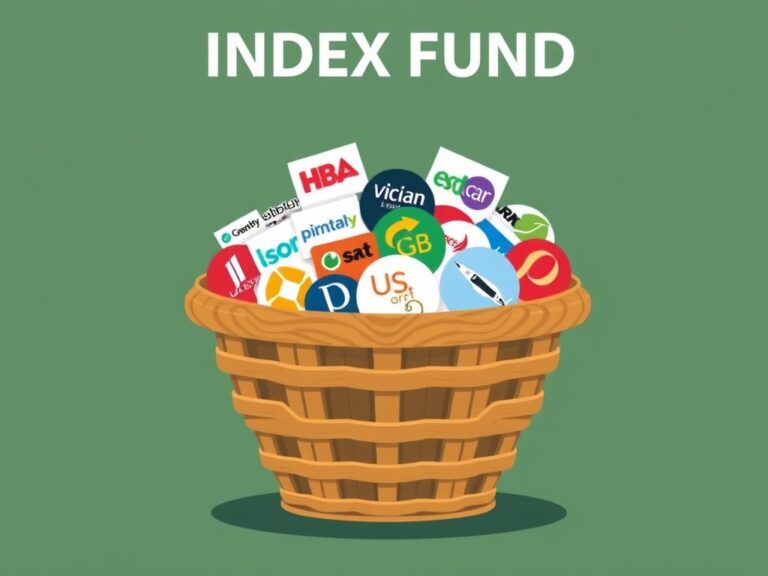
So, what exactly are index funds, and why are they a fantastic starting point for new investors? Imagine a basket filled with stocks from a specific market index, like the S&P 500, which represents the 500 largest companies in the U.S. When you invest in an S&P 500 index fund, you’re essentially buying a tiny piece of all those companies at once. This diversification is key because it spreads your risk; if one company falters, others can help balance it out. They typically have very low expense ratios, meaning more of your money stays invested and works for you, rather than going to fees. This makes them incredibly cost-effective, especially when you’re starting with limited capital. Furthermore, index funds are managed passively, meaning they aim to match the performance of their benchmark index rather than trying to beat it, which often leads to more consistent returns over the long haul. For beginners, this means less active decision-making and a simpler path to market participation.
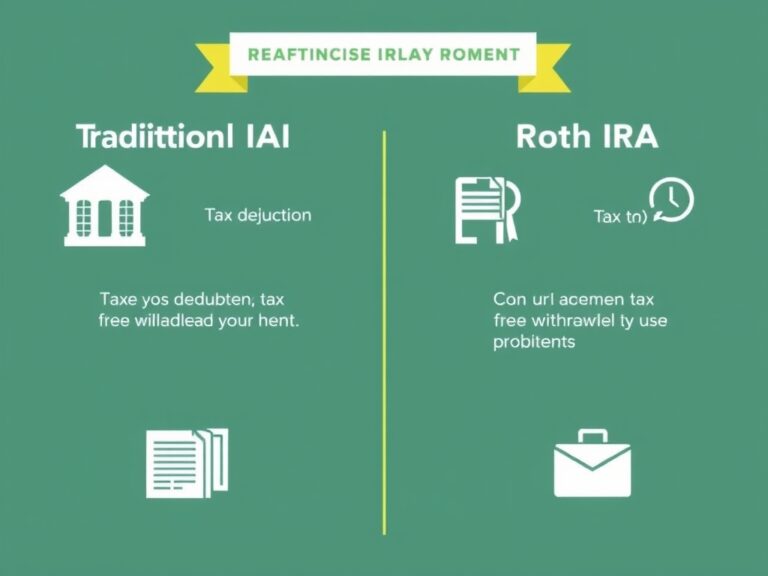
Now, let’s talk about Individual Retirement Accounts, or IRAs. These are powerful, tax-advantaged accounts designed specifically for retirement savings. There are two main types: Traditional IRAs and Roth IRAs. With a Traditional IRA, your contributions may be tax-deductible in the year you make them, and your money grows tax-deferred until retirement, when withdrawals are taxed. A Roth IRA, on the other hand, is funded with after-tax dollars, meaning you don’t get an upfront tax deduction, but your qualified withdrawals in retirement are completely tax-free! For those starting with little money, a Roth IRA can be particularly appealing because you pay taxes on your contributions now, when your income and tax bracket are likely lower, allowing your investment to grow and be withdrawn tax-free later. Many brokerage firms allow you to open an IRA with no minimum deposit, making it an excellent vehicle for consistent, small-dollar investing.
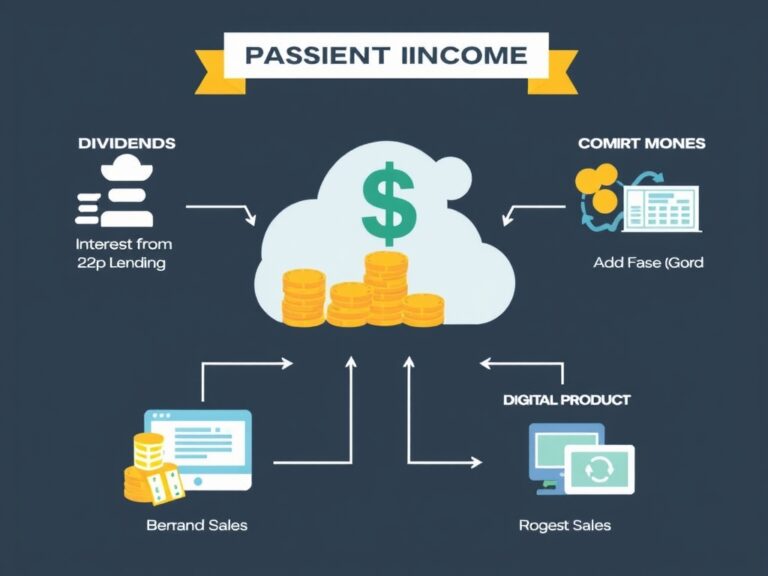
Beyond just investing in funds, let’s explore how you can generate passive income, even with a small starting capital. Passive income is essentially money you earn with minimal ongoing effort. While it often requires an initial investment of time or money, it can provide a steady stream of income that supplements your primary earnings. Some accessible options include dividend-paying stocks or ETFs. Dividends are portions of a company’s profits distributed to shareholders, and reinvesting these dividends can accelerate your portfolio’s growth through compounding. Another avenue is peer-to-peer lending, where you lend small amounts of money to individuals or businesses through online platforms, earning interest on your loans. While this carries higher risk, diversification across multiple loans can mitigate it. Even creating and selling digital products like e-books or online courses can be a path to passive income, leveraging your skills and knowledge. The key is to start small, learn, and reinvest your earnings to build momentum.
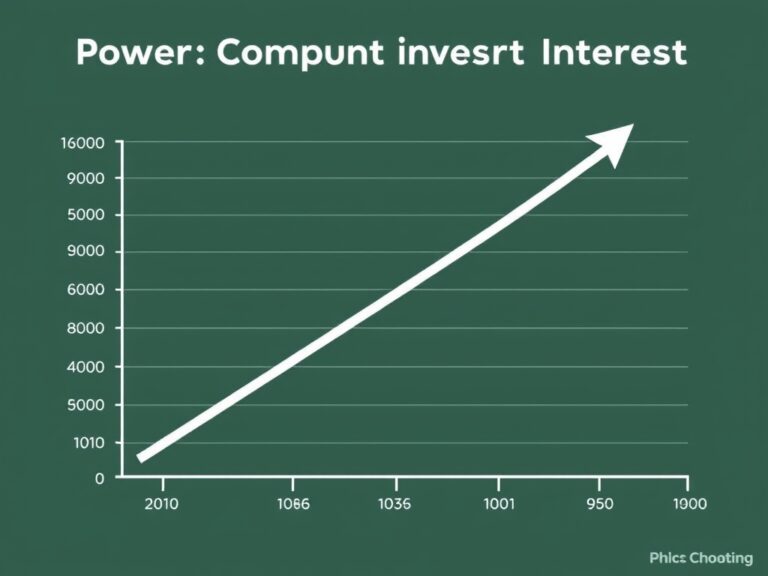
The journey to long-term financial success through investing is a marathon, not a sprint. It requires patience, consistency, and a willingness to let compound interest do its magic. Compound interest is often called the eighth wonder of the world because it allows your earnings to generate their own earnings over time, creating a snowball effect for your wealth. Starting early, even with small amounts, gives compound interest more time to work its magic. Consider automating your investments by setting up automatic transfers from your bank account to your investment account each payday; this ‘set it and forget it’ approach ensures consistency and removes the temptation to time the market. Regularly review your portfolio (perhaps annually) to ensure it still aligns with your goals, but avoid making impulsive decisions based on short-term market fluctuations. Educating yourself continuously about personal finance and investment strategies will empower you to make smarter decisions and stay on track towards your long-term financial objectives.