
How to Start Investing with Little Money: A Guide to Index Funds, IRA Choices, and Passive Income for Long-Term Wealth
Have you ever felt like the world of finance is a gated community reserved only for the wealthy? It’s a common misconception that you need a mountain of cash to start building your financial future. In reality, investing with little money is not only possible but it’s often the smartest way to begin your journey toward long-term wealth. By starting small, you harness the incredible power of compound interest, which Einstein famously called the eighth wonder of the world. Even an extra $50 a month can blossom into a significant nest egg if given enough time to grow. The key is to stop waiting for the “perfect” moment and start where you are right now. You don’t need to be a Wall Street pro to understand the basics of wealth accumulation. In this guide, we will break down the essential strategies to help you navigate the markets with confidence. We’ll explore why low-cost assets are your best friends in the early stages of your career. You will learn how to automate your savings so that your money works for you while you sleep. Let’s dive into the practical steps that will transform your spare change into a robust portfolio. Are you ready to take control of your financial destiny today?

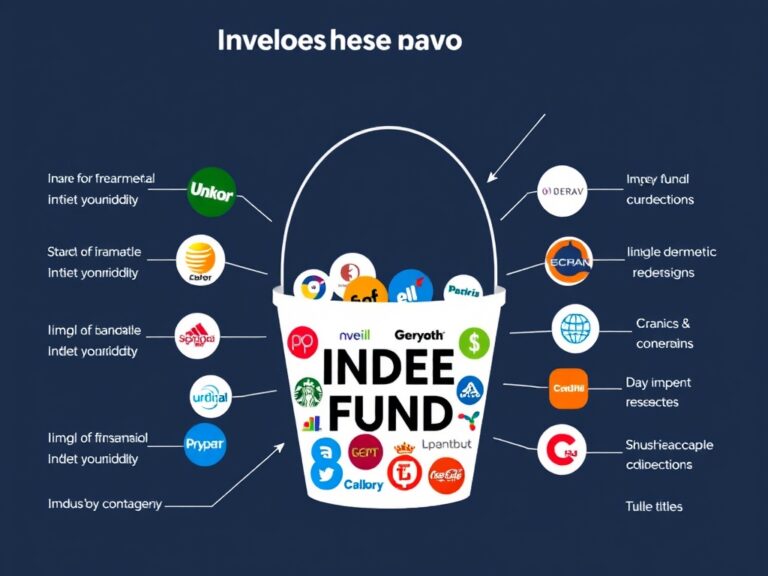
When you’re just starting out, index funds are arguably the most effective tool in your arsenal. Instead of trying to pick individual winning stocks—which is risky and time-consuming—you can buy a tiny slice of hundreds of companies at once. This concept is known as diversification, and it’s the ultimate way to protect yourself from the failure of a single business. Most experts recommend looking at funds that track the S&P 500, which includes the largest and most successful companies in the U.S. Why are these so popular for beginners? Here are a few reasons:
- Low Fees: Since they are managed by computers rather than expensive fund managers, the costs are minimal.
- Proven Performance: Historically, index funds have outperformed the majority of actively managed portfolios over long periods.
- Simplicity: You don’t need to read complex balance sheets; you just buy the market.
By keeping your expenses low, more of your money stays in your account to grow. Think of an index fund as a “set it and forget it” solution for your retirement. Even with small contributions, these funds provide a solid foundation for your long-term wealth. They are the backbone of many successful investment strategies because they offer high exposure with low maintenance. Consistency is your biggest ally when dealing with these types of assets. Over the decades, the steady climb of the market can turn modest monthly investments into a fortune.
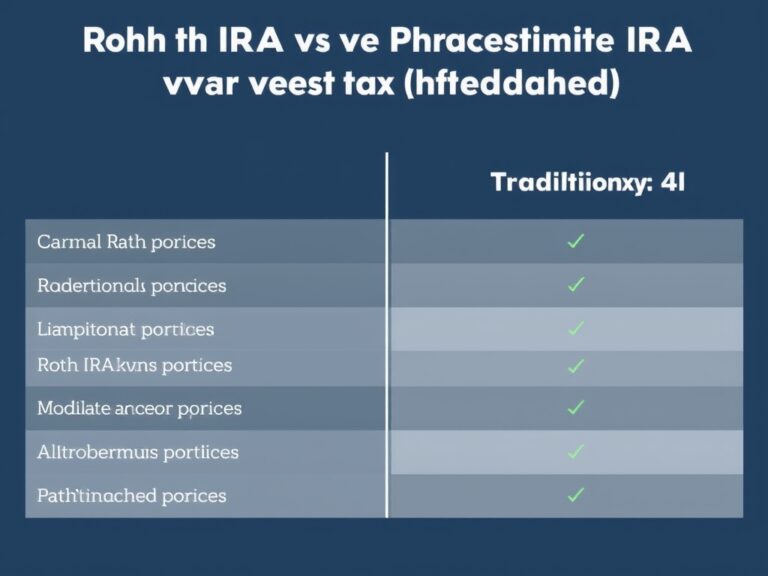
Once you’ve decided on your assets, the next step is choosing the right container for them, which brings us to IRA choices. An Individual Retirement Account (IRA) is a tax-advantaged account that helps you save for your golden years more efficiently than a standard brokerage account. There are two primary flavors to consider: the Roth IRA and the Traditional IRA. With a Roth IRA, you contribute money that has already been taxed, but your withdrawals in retirement are completely tax-free. Conversely, a Traditional IRA might give you a tax break today, but you’ll owe taxes on the money when you eventually take it out. Choosing between them depends on whether you think you’ll be in a higher tax bracket later in life. Many young investors prefer the Roth IRA because of the long-term tax-free growth potential. Here is a quick breakdown of why these accounts matter:
- Tax-deferred or tax-free growth maximizes your compound interest returns.
- Some IRAs allow for early withdrawals for specific life events like buying a first home.
- They encourage disciplined, long-term thinking rather than impulsive daily trading.
Opening an IRA can be done in minutes through most reputable online brokers. Even if you can only contribute $20 a week, that money is protected from the taxman in ways other accounts aren’t. Navigating these IRA choices early on sets the stage for a much more comfortable retirement. It’s all about working smarter, not harder, with the funds you have available right now.
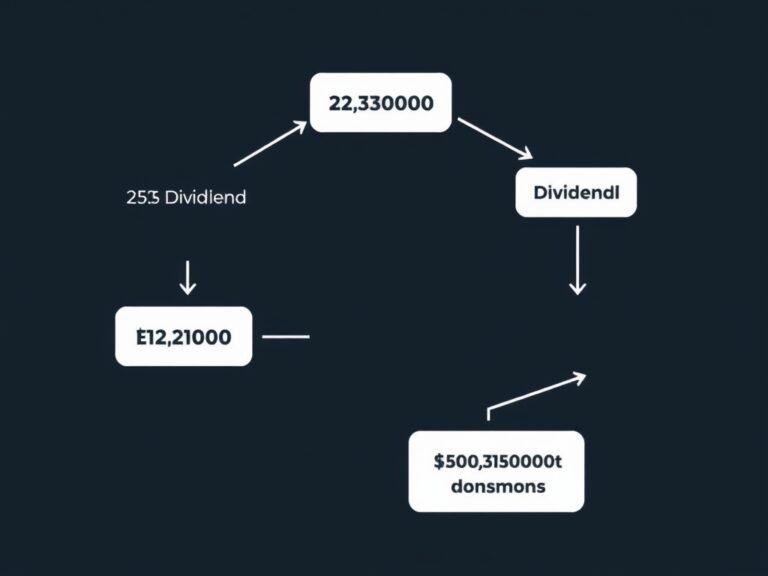
The ultimate goal for many is to reach a point where their investments generate passive income. Imagine a world where your bank account grows regardless of whether you showed up to a 9-to-5 job. While this sounds like a dream, it is a very reachable reality if you stay focused on dividend-paying stocks and interest-bearing assets. Dividends are essentially a “thank you” from a company for holding their stock, paid out in cash. Instead of spending that cash, you should use a Dividend Reinvestment Plan (DRIP) to automatically buy more shares. This creates a powerful feedback loop where more shares lead to more dividends, which leads to even more shares. Over time, this snowball effect is what builds true long-term wealth. It’s important to remember that passive income isn’t about getting rich quick; it’s about building a sustainable machine. You can also look into Real Estate Investment Trusts (REITs) to get exposure to property without needing to be a landlord. The beauty of these strategies is that they require very little of your time once established. You are essentially building a portfolio that feeds itself and grows exponentially over the decades. Every small dollar you invest today is a “money soldier” working to bring you more money in the future.
Now that you understand the theory, it’s time to take concrete action to start investing with little money. The easiest way to begin is by using micro-investing apps that round up your daily purchases to the nearest dollar. These apps take the friction out of the process, making it almost invisible to your daily budget. Another pro tip is to automate your contributions so that a fixed amount leaves your checking account on payday. If you never see the money, you won’t miss it, and your future self will thank you. Remember to keep your eyes on the prize and avoid the temptation to check your balance every single day. Market fluctuations are normal, and a long-term perspective is the best defense against panic selling. To stay on track, follow these simple habits:
- Increase your monthly contribution by 1% every time you get a raise or bonus.
- Keep your investment costs as low as possible by choosing “no-transaction-fee” funds.
- Stay educated by reading one personal finance book or article every month.
You don’t need to be an expert to start, but you do need to be consistent to succeed. Small wins lead to big results, and the most important step is simply hitting the “buy” button for the first time. Your journey to long-term wealth starts with a single, small decision today. Take that leap and watch how quickly your small change turns into a life-changing portfolio.