
How to Start Investing with Little Money: A Complete Guide to Index Funds, IRAs, and Passive Income Strategies for Beginners
Welcome to the exciting journey of building your financial future! 🚀 Many people mistakenly believe that the doors to Wall Street are locked unless you have a suitcase full of cash, but I’m here to tell you that’s a total myth. Starting small is actually the smartest way to begin because it allows you to learn the ropes without high-stakes pressure. By learning how to start investing with little money, you are prioritizing your future self and leveraging the most powerful tool in finance: time. In this guide, we will break down exactly how you can turn spare change into a growing nest egg. Here is why you should start today:
- Compounding: Your money makes money, which then makes more money over time.
- Low Risk: Small amounts mean you can afford to learn from mistakes without losing everything.
- Habit Building: Consistency is more important than the initial amount for long-term wealth.
Don’t let the financial jargon intimidate you; we are going to keep things simple, transparent, and actionable. You don’t need to be a math genius or a hedge fund manager to see success in the markets. All you need is a bit of discipline and the right strategy to get the ball rolling. Let’s dive into the specific vehicles that make this possible for every budget level!

When it comes to beginner investors, there is no better starting point than Index Funds and ETFs. 📈 Instead of trying to pick the ‘next big stock’—which is essentially gambling for most people—you can buy a tiny piece of hundreds of successful companies at once. This concept is called diversification, and it is your best friend when you want to minimize risk while still capturing market growth. Index funds like those tracking the S&P 500 allow you to own a slice of Apple, Amazon, and Microsoft simultaneously. Because these funds are managed by algorithms rather than high-paid experts, they have low expense ratios, meaning more of your money stays in your pocket. You can start with as little as $1 to $5 on many modern brokerage platforms that offer fractional shares. Imagine owning the entire market for the price of a cup of coffee! This ‘buy and hold’ strategy is widely recommended by experts like Warren Buffett for a reason. It is boring, but it is incredibly effective for long-term wealth building. You don’t have to watch the news every day; you just have to stay invested and let the economy do the work. By buying an index, you are betting on the overall growth of the country rather than a single CEO’s performance. It’s the ultimate way to build a robust portfolio on a shoestring budget.
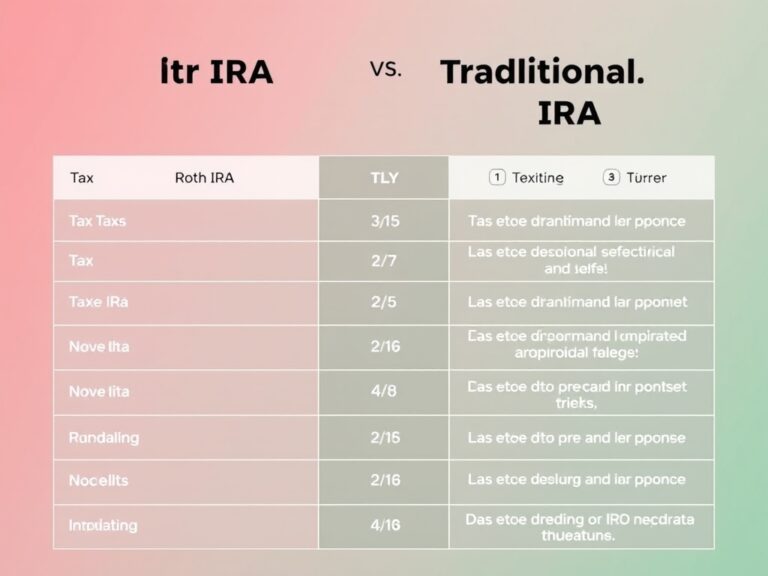
Now, where should you actually put that money to keep the taxman at bay while it grows? 🏦 An Individual Retirement Account (IRA) is one of the most powerful tools available to someone starting with a small budget. There are two main types you should know: the Roth IRA and the Traditional IRA. With a Roth IRA, you invest money that has already been taxed, meaning your withdrawals in retirement are tax-free—including all the capital gains! This is a massive advantage if you expect to be in a higher tax bracket later in life. On the flip side, a Traditional IRA might give you a tax deduction today, which can be helpful if your current monthly budget is tight. Starting an IRA early allows the power of compounding interest to work its magic over decades rather than years. Even contributing just $20 a week can lead to a staggering amount of wealth by the time you reach retirement age. It’s not about how much you put in today, but how long that money has to grow and multiply. Most providers now offer no-minimum-balance accounts to get you started immediately without high entry fees. Don’t wait until you ‘earn more’ to open one; open it now to secure your future. Many people lose out on thousands of dollars by delaying this simple step in their youth. Once it’s set up, you can automate your contributions and watch your future self’s wealth expand silently.
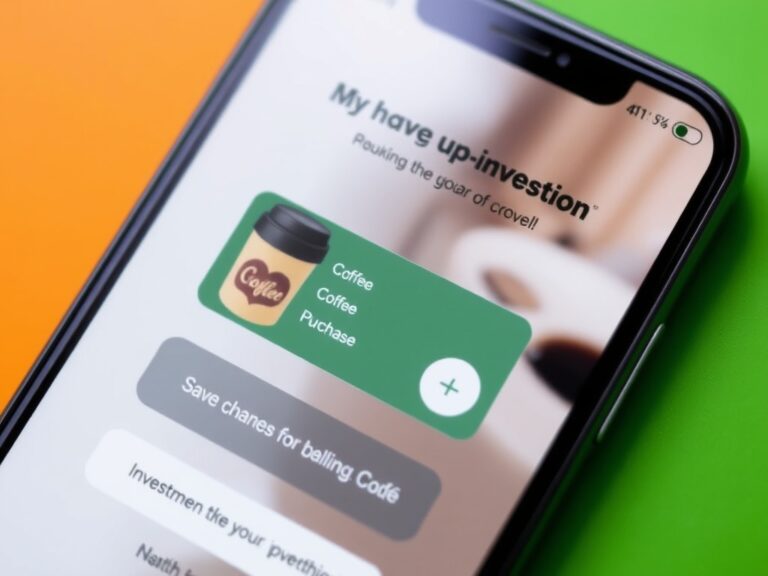
If you’re still feeling hesitant about manual transfers, let’s explore the world of micro-investing apps. 📱 These platforms use a clever feature called ’round-ups’ to turn your daily spending into an effortless investment strategy. For example, if you buy a sandwich for $8.50, the app rounds the transaction to $9.00 and automatically puts that 50 cents into a diversified portfolio. It’s a completely passive way to build wealth without even noticing the impact on your monthly bank account balance. Additionally, many of these apps allow for fractional shares, which means you can buy $1 worth of an expensive stock like Tesla or Google. You no longer need hundreds or thousands of dollars just to buy a single share of a company you believe in. This removes the psychological barrier of ‘not having enough’ to participate in the global economy. By automating these small transfers, you remove the temptation to spend that money on things you don’t need. Over time, these tiny contributions snowball into significant assets that can change your life. Popular apps like Acorns or Robinhood have made the stock market more accessible than it has ever been in history. You can start small, gain confidence, and eventually move into more complex strategies as your financial knowledge grows. It’s essentially training wheels for your financial future!
The ultimate dream for many is creating passive income strategies that work while they sleep. 😴 While many people think they need a rental property to earn passive income, you can actually start with just a few dollars through Dividend Stocks and REITs. Dividend-paying stocks are shares of companies that distribute a portion of their earnings back to shareholders on a regular basis. By utilizing a Dividend Reinvestment Plan (DRIP), those payments are automatically used to buy more shares, creating an exponential growth loop. Real Estate Investment Trusts (REITs) are another fantastic option; they allow you to invest in large-scale real estate projects without being a landlord. You get a share of the rental income without ever having to fix a leaky faucet or chase down a tenant for rent. This is true passive income for the modern beginner who doesn’t have thousands for a down payment. As your portfolio grows, the income generated can eventually cover your bills or be reinvested to accelerate your path to financial freedom. It turns your portfolio from a static pile of money into a productive income-generating engine. The key is to start small and let the dividends accumulate and compound over several years of consistency. You can find many great REITs and dividend stocks with low share prices or use fractional entry points. This strategy provides a tangible sense of progress as you see actual cash hitting your account every quarter.

To wrap this up, remember that the most successful investors aren’t those who started with the most money, but those who started the earliest. 🏁 Consistency is your superpower in the world of finance, and every dollar you invest today is a seed for your future financial forest. Don’t get discouraged by short-term market fluctuations; stay focused on your long-term goals and keep contributing what you can. You now have the roadmap to use index funds, IRAs, and micro-investing to your total advantage. Take that first step today—even if it’s just opening an account or setting up a $5 weekly transfer. Your future self will look back and thank you for having the courage to start small and stay disciplined. The journey to financial freedom begins with a single cent and a commitment to your goals. You’ve got this! Here is your immediate action plan to get moving:
- Choose a Platform: Pick a low-fee brokerage or a micro-investing app that fits your lifestyle.
- Set a Goal: Decide on a small, manageable weekly contribution that you won’t miss.
- Automate: Set up an automatic transfer so you don’t have to think about it every month.
- Stay Educated: Keep reading and learning, but don’t let analysis paralysis stop you from starting.
The most important thing is to simply get in the game and stay there for the long haul.