
Beginner’s Guide to Investing: Start Small with Index Funds and IRAs for Passive Income and Long-Term Wealth
Hey there! Have you ever felt like the world of finance is a gated community reserved only for the ultra-wealthy? Well, I’m here to tell you that investing for beginners is not only possible but essential for anyone looking to build long-term wealth. You don’t need a million dollars to get started; in fact, starting small is often the smartest move you can make. The primary goal of this guide is to demystify the process so you can start generating passive income through smart, strategic choices. We’ll look at how simple tools like index funds and IRAs can do the heavy lifting for you over time. Imagine your money working as hard for you as you do for it every single day! By the end of this post, you’ll see that the barrier to entry is much lower than you think. 💰 It’s all about changing your mindset from a spender to an owner of assets. Let’s dive into the basics and get your financial journey on the right track today. Investing is a marathon, not a sprint, and every giant oak tree started as a tiny acorn. You have the power to secure your future starting right now with just a few dollars.
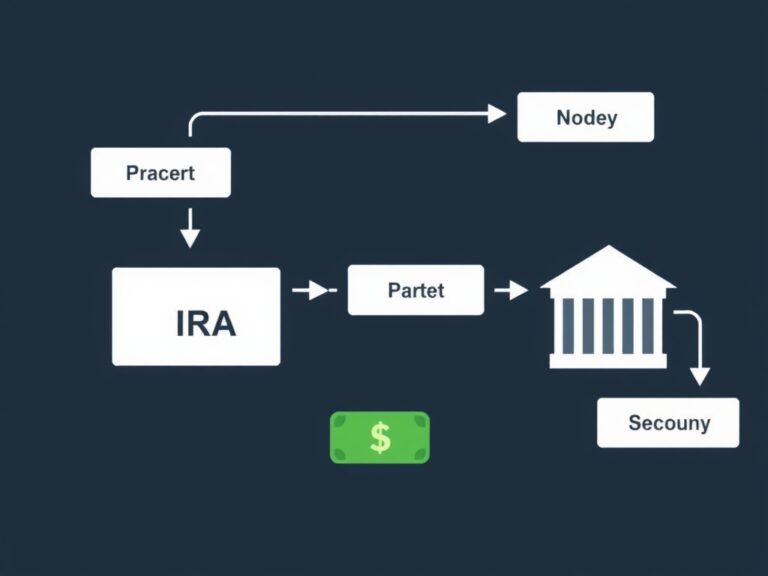
One of the best ways to dip your toes into the market without losing sleep is through index funds. Essentially, an index fund is a type of mutual fund or ETF designed to mimic the performance of a specific market benchmark, like the S&P 500. Instead of trying to pick the “next big stock,” you are buying a tiny piece of hundreds of successful companies all at once. This strategy provides instant diversification, which is a fancy way of saying you aren’t putting all your eggs in one basket. Here are a few reasons why index funds are a beginner’s best friend:
- Low Fees: Since they are passively managed, they cost much less than active funds.
- Consistency: They historically outperform most professional stock pickers over the long run.
- Simplicity: You don’t need to read balance sheets all day to see growth.
By choosing this path, you’re betting on the overall growth of the economy rather than a single company’s luck. 📈 It’s a proven method for building wealth without the stress of daily market volatility. Most experts agree that low-cost index funds should be the backbone of any retirement portfolio. When you buy an index fund, you’re essentially saying you believe the market will be higher in ten years than it is today. It’s the ultimate “set it and forget it” strategy for busy people who want to live their lives.

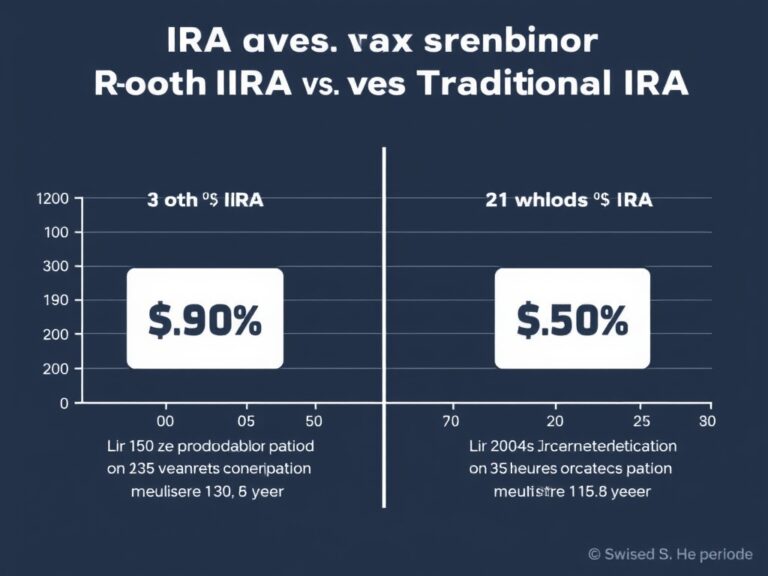
Next, let’s talk about where you should keep these investments, specifically focusing on Individual Retirement Accounts (IRAs). An IRA is like a specialized bucket that holds your investments while providing significant tax advantages from the government. There are two main types you should know about: the Roth IRA and the Traditional IRA. With a Roth IRA, you contribute money that has already been taxed, but your withdrawals in retirement are completely tax-free. On the other hand, a Traditional IRA might give you a tax break today, but you’ll pay taxes when you take the money out later in life. Choosing the right one depends on whether you think you’ll be in a higher tax bracket now or in the future. 🏦 Utilizing these accounts is a crucial step in maximizing your long-term wealth and keeping more of your earnings. They are designed to encourage people to save for the long haul by offering these financial carrots. If you’re just starting out and expect your income to grow over time, the Roth IRA is often the preferred choice for beginners. Remember, the earlier you start contributing to an IRA, the more time your money has to grow untaxed. It’s not just about what you earn, it’s about what you keep after taxes!
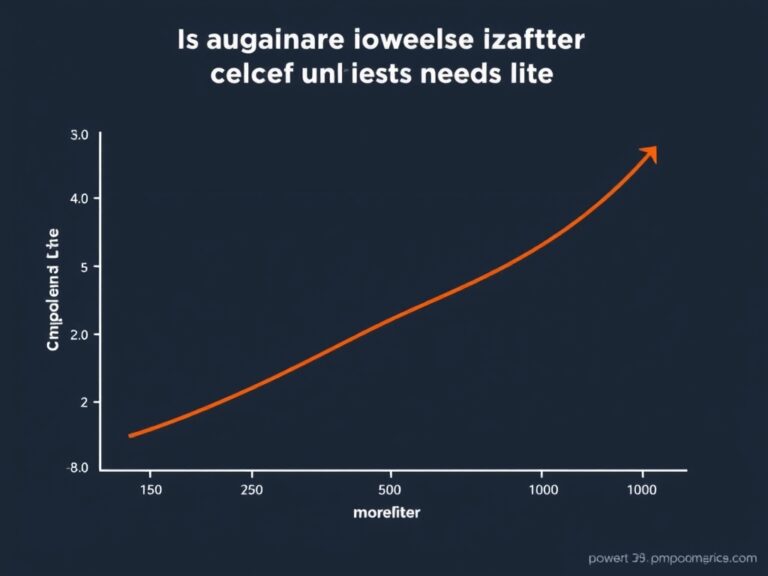
You might be wondering, “Can I really make a difference with just $50 or $100 a month?” The answer is a resounding yes, thanks to the magic of compound interest. Compound interest is what happens when the earnings on your investment start earning their own earnings, creating a snowball effect. Over decades, this creates an exponential growth curve that can turn modest monthly contributions into a substantial nest egg. Even if you start small, the habit of consistency is far more important than the initial amount of capital you bring to the table. 🕒 Consider these benefits of starting early:
- Time Horizon: More time allows your investments to recover from temporary market dips.
- Habit Formation: You learn to live on slightly less while your future self gains much more.
- Lower Stress: You don’t have to scramble to save massive amounts when you are in your 50s.
Using a strategy called dollar-cost averaging, where you invest the same amount regularly regardless of price, helps you buy more shares when prices are low. This removes the emotional temptation to “time the market,” which usually leads to losses for beginners. 📉 By automating your investments, you ensure that wealth-building happens in the background of your busy life. Your future self will thank you for the discipline and foresight you show today.
Finally, let’s look at how to take that first concrete step toward your financial independence. First, you’ll need to choose a reputable brokerage—many modern platforms have zero commissions and no minimum balance requirements today. Once your account is open, link your bank account and set up an automatic transfer to coincide with your monthly payday. This ensures you “pay yourself first” before you have the chance to spend that money on non-essential items. 💳 Start by selecting a broad-market index fund, such as one that tracks the total stock market or the well-known S&P 500 index. Don’t worry about the daily headlines or the constant “noise” of the financial news; focus on your long-term goals. Education is key, so continue to read books and listen to podcasts that reinforce sound, evidence-based investing principles. 📚 Stay the course even when the market looks scary, as history shows that patience is always rewarded in the end. Investing is not a get-rich-quick scheme, but a reliable way to ensure you have passive income in your later years. You now have the roadmap; all that’s left is to take action and make your first small contribution. Welcome to the world of investing—you definitely have what it takes to succeed!