Beginner’s Guide: Investing with Little Money, Top Index Funds, IRA Choices, Passive Income & Long-Term Strategies
🚀 1. Starting Your Journey: Investing with Little Money
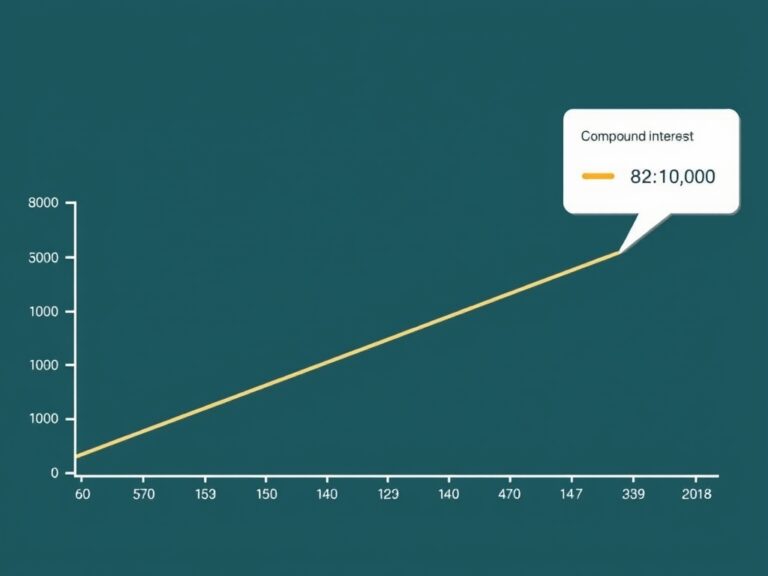
Hey there, future investor! If you’ve been putting off your journey because you think you need a massive pile of cash to start, I have some great news for you: investing with little money is not only possible, it’s actually one of the smartest ways to build a habit early on. Today’s digital landscape offers incredible tools like fractional shares and micro-investing apps that let you buy into the world’s biggest companies for the price of a cup of coffee. By starting small, you lower the barrier to entry and allow yourself to learn the ropes without the stress of risking a fortune. Consistency is the secret sauce here; even twenty dollars a week can snowball into a significant sum over several decades thanks to the wonders of time. The key is to just start. Think about it—every millionaire started with their first dollar, and by automating your small contributions, you are prioritizing your future self. You don’t need to be a Wall Street expert to understand that time is your greatest asset. When you invest early, your money has more time to ride out the market’s natural ups and downs.
- Micro-investing: Using apps to invest spare change.
- Fractional Shares: Buying pieces of high-priced stocks like Amazon or Google.
- Dollar-Cost Averaging: Investing a fixed amount regularly regardless of price.
Don’t wait for a “perfect” moment that might never come. Instead, embrace the power of starting today with whatever you have in your pocket. Small sacrifices now, like skipping one takeout meal a week, can lead to massive gains later. Your journey toward financial independence begins with that very first small step. Believe in the process and watch how quickly those tiny contributions begin to stack up.

📈 2. The Power of Diversification: Top Index Funds
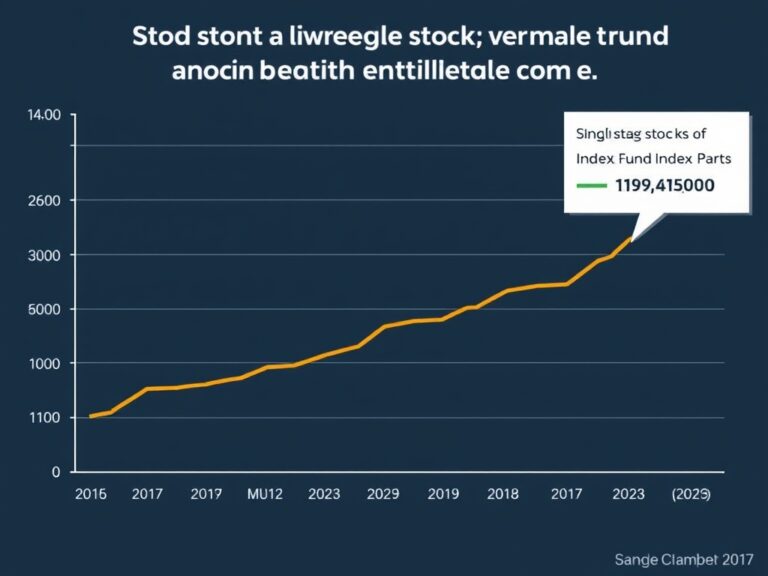
Once you’ve cleared the hurdle of starting, it’s time to talk about where to actually put those dollars, and that’s where top index funds come into play as the ultimate “easy button” for beginners. Instead of trying to pick a single winning stock—which is notoriously difficult even for pros—index funds allow you to own a tiny slice of hundreds of different companies at once. This inherent diversification significantly reduces your risk because if one company fails, the others in the fund help keep your portfolio stable. Most experts recommend looking at funds that track the S&P 500, which includes the 500 largest publicly traded companies in the U.S. Low expense ratios are crucial here; you want to keep as much of your return as possible rather than giving it away in fees. These funds are managed passively, meaning there isn’t a high-paid manager trying to beat the market, which keeps costs down for you. Historically, the stock market has returned about 10% annually on average, making index funds a very reliable vehicle.
- Vanguard S&P 500 ETF (VOO): Known for its ultra-low fees and solid performance.
- Fidelity Total Market Index Fund (FSKAX): Offers exposure to the entire U.S. stock market.
- Schwab US Dividend Equity ETF (SCHD): Great for those focusing on income.
By sticking to these broad-market funds, you are betting on the growth of the economy as a whole. It’s a passive approach that historically outperforms most active stock pickers over the long run. Plus, it saves you the headache of constantly checking news headlines or worrying about individual earnings reports. You can set it and forget it, allowing your wealth to grow while you focus on your life. This is the cornerstone of a “lazy” but highly effective investment portfolio. Remember, you aren’t trying to beat the market; you’re trying to grow with it.
🛡️ 3. Tax Efficiency: Making Your IRA Choices
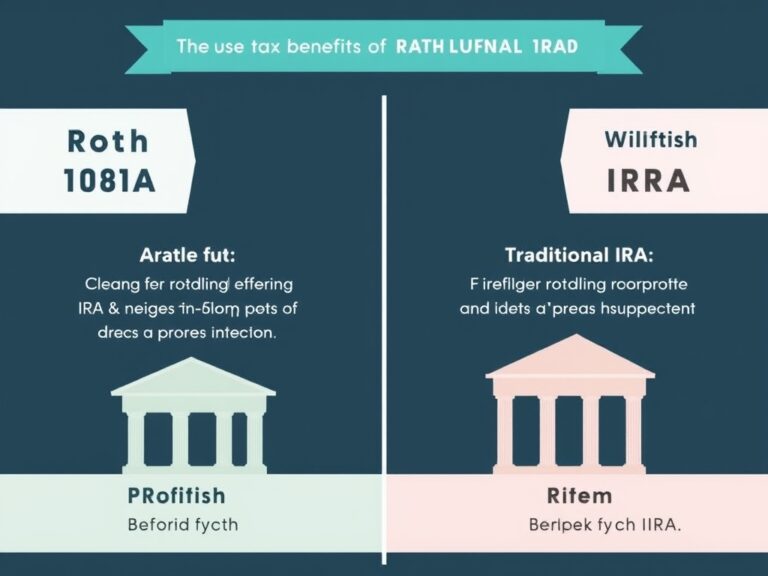
Choosing the right vehicle for your investments is just as important as the investments themselves, which brings us to your IRA choices. An Individual Retirement Account (IRA) is like a special wrapper for your investments that provides incredible tax advantages designed to help you save for the long haul. You’ll generally choose between a Traditional IRA and a Roth IRA, each offering a different way to handle taxes. With a Traditional IRA, your contributions might be tax-deductible today, but you’ll pay taxes when you withdraw the money in retirement. On the flip side, the Roth IRA is a favorite for many because you contribute “after-tax” money, meaning your investments grow tax-free. This means your withdrawals in retirement are also completely tax-free! Imagine reaching age 60 and being able to pull out a million dollars without owing the IRS a single cent.
- Roth IRA: Best if you expect to be in a higher tax bracket later.
- Traditional IRA: Best if you want a tax break right now.
- Contribution Limits: Be mindful of the annual caps set by the IRS.
Selecting the right account can save you tens of thousands of dollars in taxes over your lifetime. Make sure to review your income levels to ensure you qualify for these specific accounts. It’s one of the most powerful moves you can make in your 20s or 30s to secure your golden years. Most major brokerages allow you to open these accounts for free and with no minimum balance. Take the time to compare the two and decide which tax benefit serves your current financial situation better. Don’t let your hard-earned gains be eaten away by avoidable taxes later in life.
💰 4. Wealth Acceleration: Passive Income & Long-Term Strategies
Finally, let’s talk about the “holy grail” of finance: generating passive income through smart, long-term strategies. Passive income isn’t a get-rich-quick scheme; rather, it’s the result of planting seeds today that grow into shade trees tomorrow. One of the most effective ways to achieve this is through dividend reinvestment, where the cash payments you receive from your stocks are automatically used to buy more shares. Over time, you’ll own more and more of the asset without ever reaching back into your own pocket. This process fuels compound interest, which Albert Einstein famously called the eighth wonder of the world. Compound interest works best when you leave your money alone and let it do its thing for decades.
- Reinvesting Dividends: Use the “DRIP” method to accelerate growth.
- Time in the Market: This is always more important than “timing” the market.
- Emotional Discipline: Staying invested during market downturns is key.
By maintaining a long-term perspective, you can ignore the daily noise of the stock market and focus on your ultimate goals. Remember, the market has historically trended upward despite temporary crashes or recessions. If you stay the course, stay diversified, and keep your costs low, you are setting yourself up for a life of financial freedom. Don’t be tempted to pull your money out when things get shaky; that’s often when the best gains are made. The road might be long, but the destination of having your money work for you is worth every bit of patience. Real wealth is built slowly through discipline, not through chasing the next “meme” stock. Start your journey today and stay committed to the process. You are building a future that your older self will thank you for.