How to Start Investing with Little Money: A Guide to Index Funds, IRA Choices, and Passive Income Strategies
Ready to Grow Your Wealth? Start Investing with Just a Little Cash!
Ever looked at your bank account and thought, “I wish I could invest, but I don’t have thousands to start?” Well, you’re not alone! Many people believe investing is only for the rich, but that couldn’t be further from the truth. In today’s world, you can begin your investment journey with surprisingly small amounts of money, thanks to accessible platforms and smart strategies. This guide is designed to demystify the process, showing you how to make your money work for you, even if your starting capital is modest. We’ll explore easy-to-understand investment vehicles like index funds and touch upon retirement accounts and passive income streams that can help you build wealth over time. Get ready to unlock your financial potential and take control of your future, one small investment at a time!
Index Funds: Your Simple Path to Diversified Investing
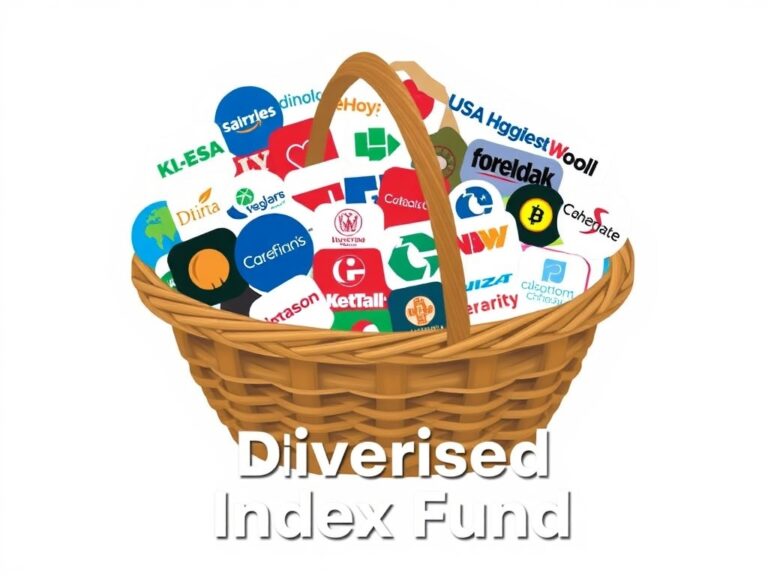
So, what exactly are index funds, and why are they a fantastic starting point for beginners? Think of an index fund as a pre-packaged basket of stocks or bonds that mirrors a specific market index, like the S&P 500. Instead of buying individual stocks (which can be risky and require a lot of research), you’re buying a tiny piece of hundreds or even thousands of companies all at once. This instant diversification is a huge advantage, as it spreads your risk across various sectors and businesses. If one company falters, others in the fund can help offset the loss. The beauty of index funds also lies in their low costs; they typically have much lower management fees compared to actively managed funds. This means more of your money stays invested and grows. You can easily invest in index funds through brokerage accounts, many of which have no minimum investment requirement. It’s a hands-off approach that lets you benefit from the overall market’s growth without needing to be an expert stock picker. Start by researching broad market index funds that track major U.S. or global indexes.
IRAs: Supercharging Your Retirement Savings
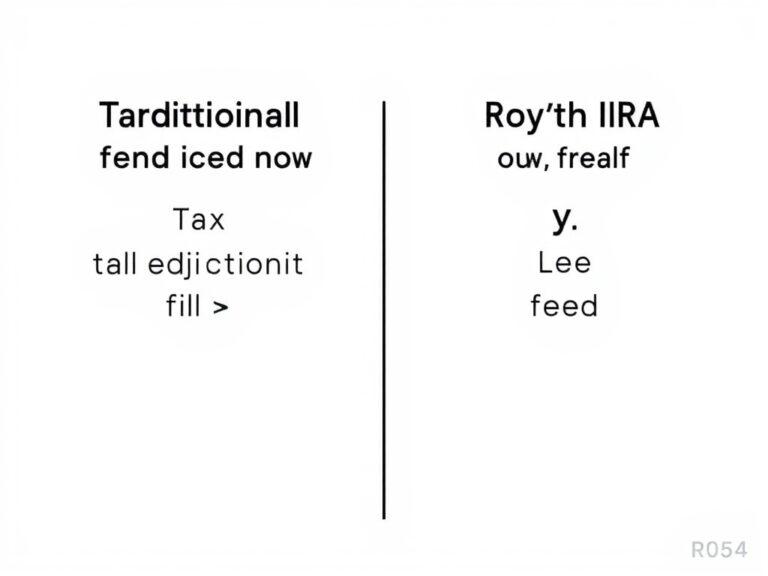
When you’re starting with little money, maximizing tax advantages becomes crucial for long-term growth. This is where Individual Retirement Accounts, or IRAs, shine. There are two main types to consider: Traditional IRAs and Roth IRAs. A Traditional IRA offers tax-deferred growth, meaning you might get a tax deduction on your contributions now, and your earnings aren’t taxed until you withdraw them in retirement. This can be beneficial if you expect to be in a lower tax bracket later. On the other hand, a Roth IRA is funded with after-tax dollars, but your qualified withdrawals in retirement are completely tax-free. This is often a great choice for younger investors or those who anticipate their income (and tax bracket) will increase in the future. Many brokerage firms allow you to open an IRA with no minimum deposit, and you can set up automatic contributions, even if they’re small, to build your nest egg steadily. Remember, the earlier you start contributing to an IRA, the more time your money has to grow thanks to the power of compounding.
Passive Income Strategies for Extra Cash Flow
While index funds and IRAs are excellent for long-term wealth building, incorporating passive income strategies can provide additional cash flow and accelerate your investment growth, even with limited initial capital. Passive income is money earned with minimal ongoing effort. While it often requires an upfront investment of time or money, the goal is for it to generate revenue passively. Some accessible options include dividend-paying stocks or ETFs, which distribute a portion of the company’s profits to shareholders regularly. Even reinvesting these small dividends can significantly boost your returns over time. Another avenue is creating and selling digital products, like e-books or online courses, though this requires more initial effort. Peer-to-peer lending platforms also allow you to earn interest by lending money to individuals or small businesses, though this carries higher risk. For those with a bit more capital, investing in real estate crowdfunding can offer diversified exposure to property income. The key is to start small, research thoroughly, and focus on strategies that align with your risk tolerance and available resources.

Putting It All Together: Your Action Plan
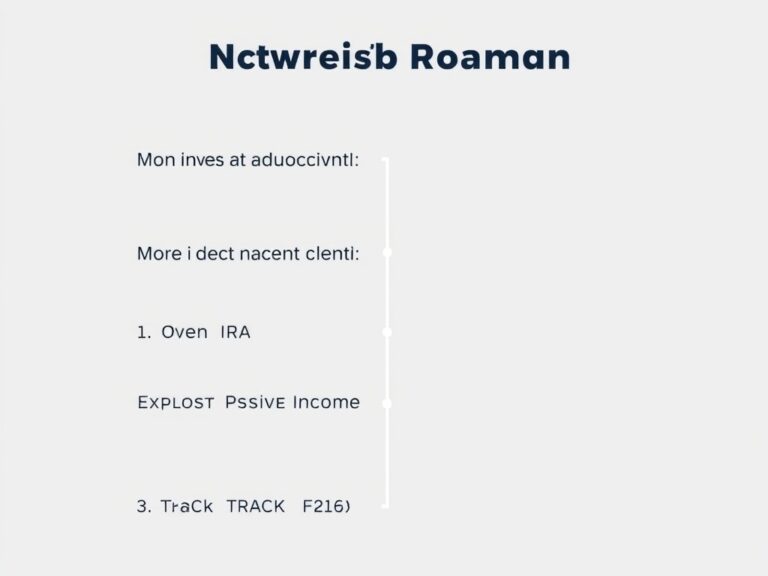
Starting your investment journey with little money is entirely achievable and incredibly rewarding. The core principles are simple: start early, invest consistently, and keep costs low. Begin by opening a brokerage account with a company that offers low fees and no account minimums. Fund it with a small amount you’re comfortable with, perhaps setting up automatic monthly transfers, even if it’s just $25 or $50. Invest this money into a low-cost, broad-market index fund or ETF. Simultaneously, explore opening an IRA (Roth or Traditional) and contribute regularly, taking advantage of tax benefits for long-term growth. As you get more comfortable, research dividend-paying investments or other passive income strategies that resonate with you. Remember, the most important step is to begin. Don’t let the fear of not having enough money hold you back; every little bit invested today has the potential to grow significantly over time. Track your progress, stay informed, and celebrate your milestones along the way. Your future self will thank you!