
Your Ultimate Guide to Smart Investing: From Little Money to Passive Income and Retirement Accounts
Start Small: The Power of Micro-Investing
Have you ever looked at your bank account and thought, ‘I don’t have enough to invest?’ Well, let me tell you a secret: the best time to start is now, even with just your spare change. Micro-investing apps have revolutionized the game, allowing you to round up purchases and invest the difference automatically. You don’t need thousands of dollars to build wealth; you just need consistency and a long-term mindset. Think of it like planting a tree; the best time was twenty years ago, but the second best time is today. By contributing small amounts regularly, you harness the power of dollar-cost averaging, which helps smooth out market volatility over time. You aren’t just saving money; you are building a habit that will serve you for decades to come. When you see those cents turn into dollars, the psychological shift is incredibly empowering. It proves that financial freedom isn’t reserved for the elite—it’s accessible to anyone willing to start small. Remember, every empire was built one brick at a time, and your portfolio is no different. So, take that first step, download a reputable app, and watch how your digital ‘spare change’ starts doing the heavy lifting for your future.

Understanding Retirement Accounts: Your Tax-Advantaged Toolkit
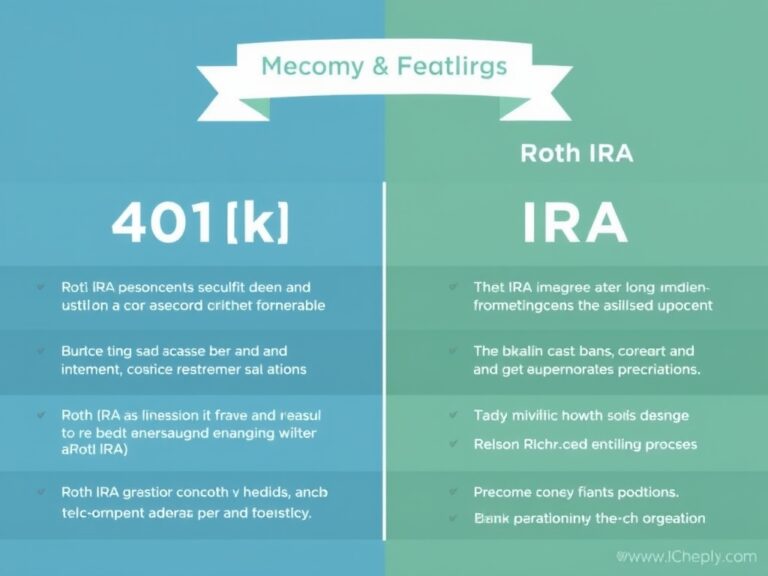
If you want to master the art of smart investing, you need to understand the tax-advantaged tools available to you, specifically the 401(k) and the Roth IRA. These aren’t just boring retirement vehicles; they are powerful engines that keep more money in your pocket instead of the taxman’s. A 401(k) often comes with an employer match, which is essentially free money—if your company offers one, always contribute enough to get the full match! On the other hand, the Roth IRA is a fan favorite because you pay taxes now so that your withdrawals in retirement are completely tax-free. Here is a quick breakdown of why these matter:
- Tax-deferred growth: Compound interest works faster when you aren’t paying annual taxes on gains.
- Employer Matches: An immediate 100% return on your investment if your company matches your contribution.
- Compound Interest: The ‘eighth wonder of the world’ that turns small contributions into massive nest eggs over 30 years.
By leveraging these accounts correctly, you are setting yourself up for a much more comfortable lifestyle later on. Don’t wait until you’re fifty to start thinking about this; the math heavily favors those who utilize these accounts early in their careers. It’s time to take control of your financial destiny by choosing the accounts that fit your current income level and long-term goals.
The Path to Passive Income: Dividends and ETFs
Once your foundation is set, it’s time to shift your focus toward passive income streams that generate wealth while you sleep. The most popular method for beginners is investing in Exchange-Traded Funds (ETFs) or Index Funds that track the broader market. By owning an index fund, you are effectively buying a small piece of hundreds of top-tier companies in one single transaction. This is the ultimate ‘set it and forget it’ strategy, which is perfect for busy professionals who don’t want to analyze individual stocks daily. Furthermore, many of these funds pay dividends, which you can choose to automatically reinvest to purchase even more shares. This creates a powerful feedback loop known as dividend compounding. Here are a few benefits of this approach:
- Diversification: You aren’t putting all your eggs in one basket.
- Low Fees: ETFs often have lower expense ratios than managed mutual funds.
- Efficiency: You save hours of research time while maintaining market-average returns.
As your portfolio grows, those dividend payments become a meaningful stream of passive income that can eventually cover your monthly expenses. It’s all about building a cash-flowing asset base that works as hard as you do. Stay disciplined, keep your fees low, and focus on the long-term growth of your dividend-paying investments.
Stay the Course: Why Discipline Beats Luck
Finally, we need to talk about the most important aspect of successful investing: emotional discipline. The stock market will inevitably have bad days, weeks, and even years, but the worst thing you can do is panic-sell when prices dip. Smart investors treat market volatility as a sale—a chance to buy more shares at a discount. Instead of trying to time the market, which is nearly impossible, focus on time in the market. You need to stay consistent with your contributions, regardless of what the news cycle is reporting on any given day. Financial success is rarely about picking the next ‘big thing’ and mostly about avoiding costly behavioral mistakes. If you stick to your plan, avoid high-interest debt, and continue to increase your savings rate as your income grows, retirement will be a choice rather than a struggle. Remember these core principles:
- Be Consistent: Automate your monthly investments.
- Keep it Simple: Don’t overcomplicate your strategy with risky day-trading.
- Stay Patient: Compound interest needs time to perform its magic.
You are on a journey toward financial independence, and every dollar you invest today is a seed for a more secure tomorrow. Stay the course, keep learning, and trust that your dedication will pay off in the long run. You’ve got the tools; now it’s time to build your future!