
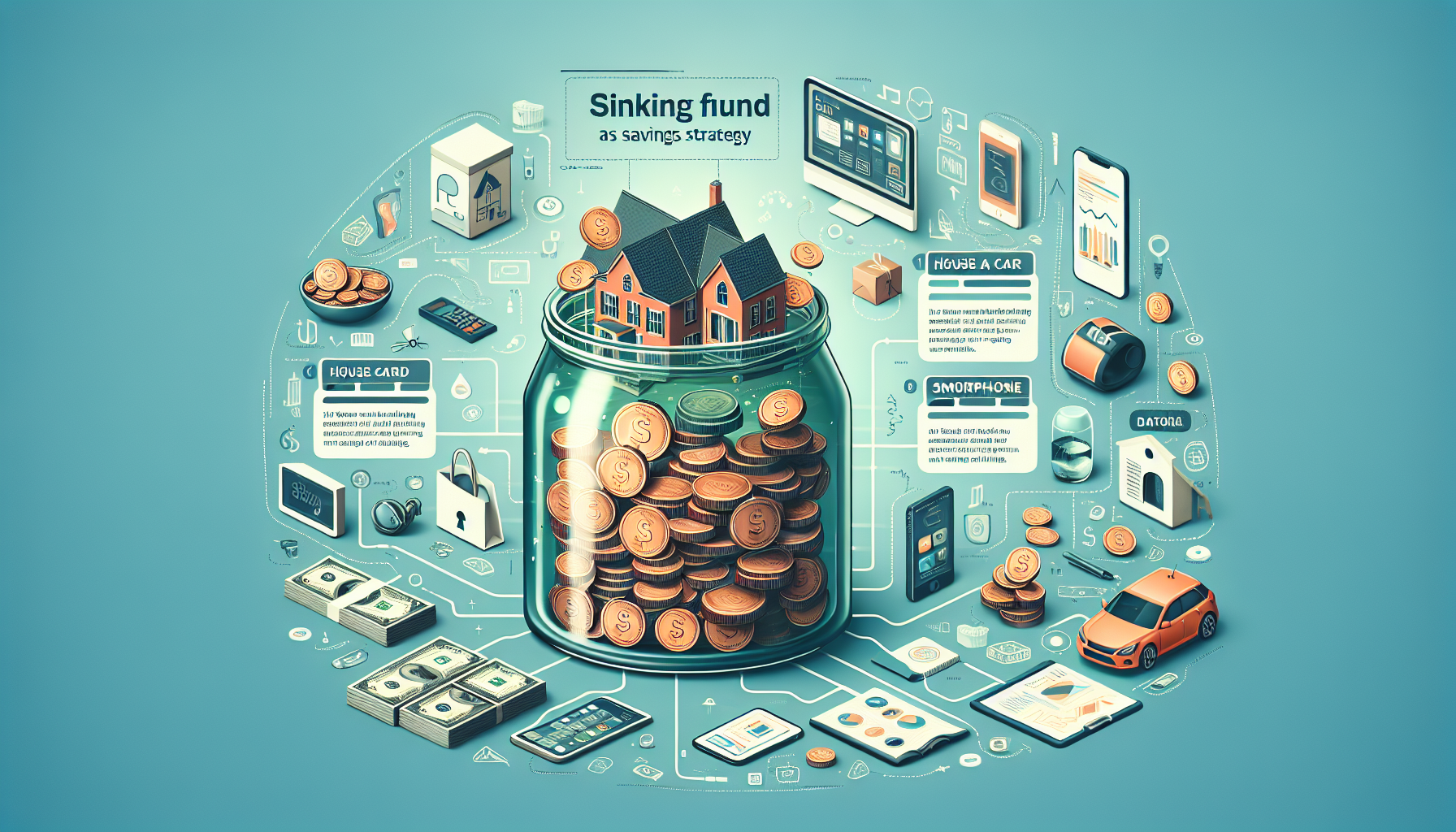
Understanding Sinking Funds: A Smart Savings Strategy
A sinking fund is a dedicated savings strategy where you set aside small, manageable amounts of money over time for a specific expense. Unlike a general savings account, a sinking fund is focused on one goal—whether it’s a large purchase, an annual bill, or an unexpected repair. Source
Examples of Sinking Funds
- Short-Term Goals: Car repairs, holiday gifts, or medical bills.
- Medium-Term Goals: Vacations, major appliances, or furniture.
- Long-Term Goals: Weddings, down payments, or college expenses.
By breaking down your goals into categories like these, you can better organize your finances and ensure you’re prepared for both planned and unexpected costs. For instance, setting up a sinking fund for car repairs means you won’t need to scramble when the mechanic gives you an estimate. Source
Benefits of Sinking Funds
- Avoid Financial Stress: A sinking fund minimizes the panic of unexpected expenses. It allows you to prepare for predictable costs—like home repairs or holiday gifts—without dipping into your emergency fund or relying on credit cards. Source
- Achieve Financial Goals: Whether you’re planning a dream vacation, saving for a new car, or covering back-to-school expenses, a sinking fund breaks large financial goals into smaller, manageable steps. Source
- Stay Disciplined: Sinking funds encourage consistent saving habits. By regularly contributing to these accounts, you strengthen your budgeting skills and avoid common budgeting mistakes. Source
- Separate Your Savings: Unlike a general savings account that holds funds for various purposes, sinking funds offer clarity by keeping money earmarked for specific goals. Source
How to Set Up a Sinking Fund
- Identify Your Goals: Determine what you’re saving for, such as car repairs, annual insurance premiums, or a family vacation.
- Calculate How Much You Need: Determine the total cost and the time frame. For example, if you need $600 in six months, plan to save $100 per month. Source
- Choose a Saving Method: Open a separate account for each sinking fund or use a spreadsheet or budgeting app to track progress.
- Automate Contributions: Set up automatic transfers to your sinking fund accounts. This ensures consistency and removes the temptation to spend. Source
- Monitor and Adjust: Periodically review your sinking funds and adjust contributions if needed. Life happens, and your goals may change over time. Source
By implementing sinking funds, you can prepare for future expenses, avoid financial stress, and stay disciplined with your savings. Whether you’re saving for a dream vacation or managing annual bills, sinking funds make large expenses feel manageable and achievable. Source
Visual Explanation
For a visual explanation, you might find this video helpful: