
The Ultimate Beginner’s Guide to Investing with Little Money: Index Funds, IRA Strategies, and Passive Income for Long-Term Growth
Start Small: Your Path to Financial Freedom Starts Today
Many beginners think you need thousands of dollars to start investing, but that is simply a myth! In reality, you can begin your journey toward wealth with as little as $10 or $50, thanks to modern brokerage platforms that allow for fractional shares. Investing is not just for the elite; it is a fundamental tool for anyone looking to secure their financial future through compounding interest. By starting early, even with tiny amounts, you allow time to work its magic on your portfolio. Think of your initial investment as a seed that, with patience and consistency, grows into a mighty oak tree. You don’t need to be a Wall Street pro to understand the basics; you just need the discipline to set aside a small portion of your income regularly. This guide will walk you through the essential strategies to grow your net worth without needing a massive windfall. We will cover how to pick the right accounts, understand the power of diversification, and build a passive income stream that works while you sleep. Your journey to long-term growth is about consistency, not speed, so let’s take that first step together. Are you ready to see how your money can start working for you instead of you just working for your money? Let’s dive in!

Harnessing the Power of Index Funds
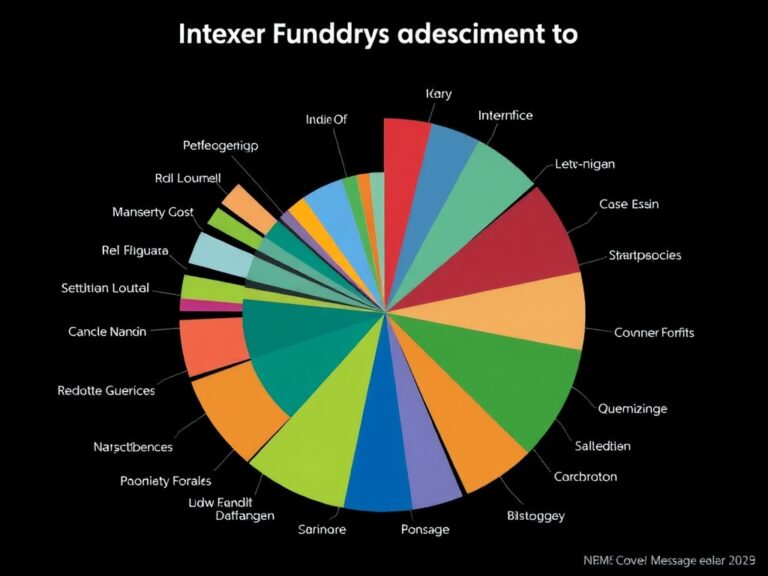
If you are looking for the simplest, most effective way to grow your money, index funds are your best friend. An index fund is essentially a basket of stocks that tracks a specific market index, like the S&P 500, providing instant diversification across hundreds of companies. Instead of trying to pick the ‘next big thing,’ you own a tiny slice of the entire market, which significantly lowers your risk. This ‘set it and forget it’ approach is perfect for beginners because it eliminates the stress of daily market fluctuations.
- Low expense ratios mean more money stays in your pocket.
- Broad diversification protects you from individual company failures.
- Historical performance shows consistent long-term upward trends.
By investing in an index fund, you are betting on the long-term success of the economy rather than a single CEO’s decision. It is the most efficient way to achieve market-average returns without paying high management fees to active mutual fund managers. As you build your portfolio, keep adding to these funds through ‘dollar-cost averaging’ to smooth out your entry price. This strategy ensures you buy more shares when prices are low and fewer when they are high, which is an excellent way to manage risk. With index funds, you aren’t just an investor; you are a partner in the global market’s growth.
IRA Strategies: Taxes and Your Retirement Future
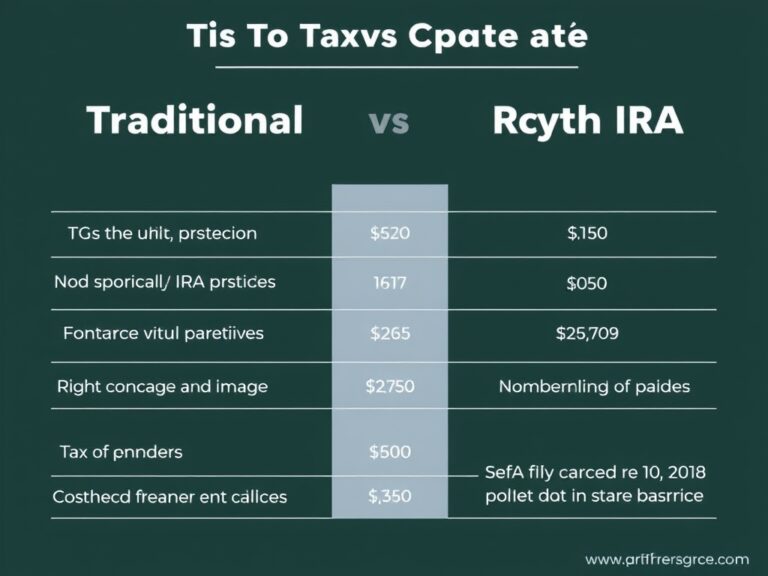
When you start investing, you must choose the right ‘container’ for your assets, and that is where IRA (Individual Retirement Accounts) strategies come into play. A Traditional IRA allows you to contribute pre-tax income, which can lower your current taxable income, though you will pay taxes when you withdraw in retirement. Conversely, a Roth IRA lets you contribute after-tax money, meaning your investments grow tax-free and withdrawals in retirement are completely tax-free! Choosing between these depends on whether you believe you are in a lower tax bracket now than you will be later. Many experts recommend starting with a Roth IRA if you are young and your income is modest, as the tax-free compounding is a massive benefit over decades.
- Maximize your contributions to take full advantage of tax-advantaged growth.
- Remember that these accounts are specifically designed for long-term goals.
- Avoid early withdrawal penalties by planning your budget around your contributions.
By utilizing these accounts, you are essentially getting a ‘discount’ on your investments through tax savings. Think of it as a government-subsidized boost to your future lifestyle. It is never too early to start planning for retirement; in fact, starting in your 20s or 30s is the single most important factor in your success. Whether you choose Traditional or Roth, the most important thing is that you start contributing consistently to build that compounding interest machine.
Building Passive Income for Long-Term Wealth
Finally, let’s talk about the ultimate goal: creating passive income that helps you achieve true financial independence. While index funds provide growth, they can also generate dividends, which are regular payouts from companies to their shareholders. You can choose to ‘DRIP’ (Dividend Reinvestment Plan) these payouts, where your dividends automatically buy more shares, creating a snowball effect. Over time, your dividend income will grow significantly, eventually covering your basic expenses and providing a safety net. This is the definition of making your money work for you; you are essentially building a machine that spits out cash while you focus on your career, family, or hobbies.
- Reinvesting dividends creates an exponential growth loop.
- Passive income provides financial security during market volatility.
- Consistent growth leads to long-term wealth stability.
Beyond stocks, passive income can also come from real estate crowdfunding or high-yield savings accounts, depending on your risk tolerance. The key is to keep your eyes on the long-term prize rather than getting distracted by get-rich-quick schemes. True wealth is built on the foundation of consistency, patience, and smart asset allocation. As you continue to earn and invest, your passive income stream will grow, eventually giving you the freedom to choose how you spend your time. Remember, the journey of a thousand miles begins with a single dollar invested today. Stay the course, keep learning, and watch your future flourish!