The Complete Beginner’s Guide to Investing: Start Small, Best Index Funds, Roth vs Traditional IRA, Passive Income, and Long vs Short-Term Strategies
Starting Small: The Secret to Long-Term Wealth
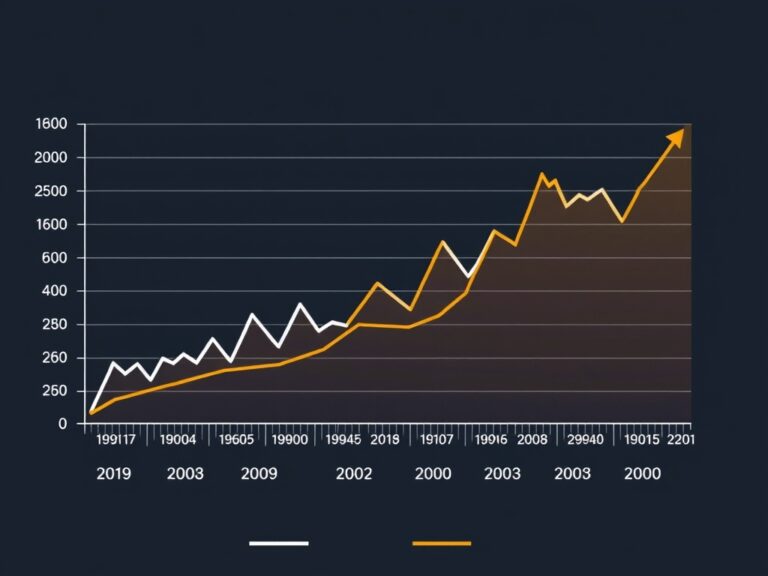
Welcome to the world of investing, where your money finally starts working as hard as you do! Many people believe you need a massive windfall to start, but the truth is that starting small is actually one of the smartest moves you can make. By putting away even $50 a month, you are harnessing the incredible power of compound interest, which Einstein famously called the eighth wonder of the world. Think of your investment journey like planting a tree; the best time to plant was twenty years ago, but the second best time is today. When you invest early, your returns generate their own returns, creating a snowball effect that grows exponentially over time. It’s important to overcome the ‘paralysis by analysis’ that many beginners feel when looking at the stock market. You don’t need to be a Wall Street wizard to see success; you just need consistency and a long-term perspective. To get started, you should simply look at your monthly budget and find a small amount that you won’t miss.
- Start with what you can afford.
- Automate your contributions.
- Ignore the daily market noise.
- Focus on the long game.
Consistency is far more important than the actual amount you invest in the beginning stages. Remember, the goal isn’t to get rich overnight, but to build a sustainable foundation for your future self. By the end of this guide, you’ll feel empowered to take that first step with confidence and clarity. The journey to financial freedom begins with a single, small contribution. You have the power to change your financial future starting right now. Let’s explore how you can make your money grow effectively.

The Magic of Index Funds and Passive Income
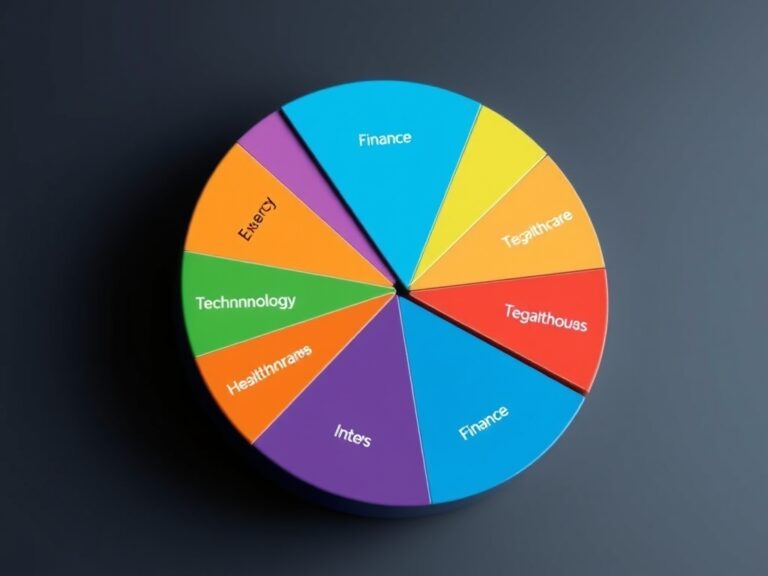
Now that you’re ready to dive in, let’s talk about the best index funds for beginners, which are essentially the ‘easy button’ of the investing world. An index fund is a type of mutual fund or exchange-traded fund (ETF) designed to mimic the performance of a specific market benchmark, like the S&P 500. Instead of trying to pick a single winning stock like Apple or Tesla, you are buying a tiny slice of the hundreds of the largest companies in the US. This provides instant diversification, which significantly lowers your risk because if one company fails, the others are there to keep the portfolio afloat. Most experts recommend index funds because they have lower fees (expense ratios) than actively managed funds. When you pay less in fees, more of your money stays in your account to grow over time. It is a proven strategy that allows you to own a piece of the entire market’s success. You don’t need to spend hours reading financial reports to do this successfully.
- Vanguard S&P 500 ETF (VOO)
- Fidelity Total Market Index Fund (FSKAX)
- Schwab US Dividend Equity ETF (SCHD)
These funds allow you to capture the growth of the entire economy without needing to spend hours researching individual balance sheets. It’s a ‘set it and forget it’ strategy that has historically outperformed most professional fund managers over the long term. You get to enjoy the benefits of passive income through dividends while the underlying value of your shares increases. This approach is not just simple; it is mathematically superior for the vast majority of retail investors. By keeping your costs low and your diversification high, you are setting yourself up for success. Index funds are the foundation of most successful retirement portfolios today.
Retirement Strategy: Roth vs. Traditional IRA
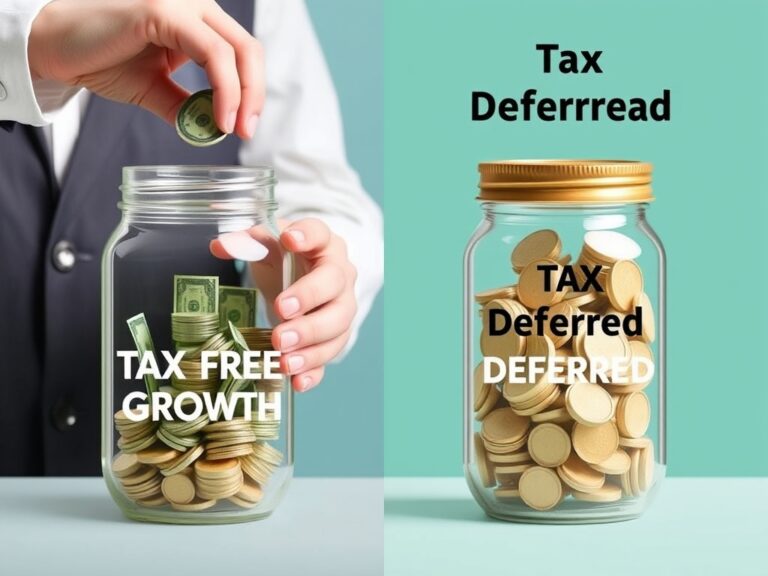
One of the most common questions beginners ask is whether they should choose a Roth IRA or a Traditional IRA for their retirement savings. The main difference between these two accounts comes down to when you want to pay taxes to Uncle Sam. With a Traditional IRA, your contributions are often tax-deductible now, meaning you save on taxes today, but you’ll pay income tax on the money when you withdraw it in retirement. On the flip side, a Roth IRA uses after-tax dollars, meaning you don’t get a tax break today, but your investments grow tax-free and your withdrawals in retirement are also tax-free. This is a massive advantage if you expect to be in a higher tax bracket later in life or if you simply want the peace of mind knowing your future nest egg is all yours. Deciding between the two depends heavily on your current income and your future expectations.
- Traditional IRA: Tax break now, pay later.
- Roth IRA: Pay now, tax-free later.
- Both: Tax-advantaged growth.
Generally, younger investors favor the Roth IRA because they have decades of tax-free growth ahead of them. However, if you are currently in a very high tax bracket, the immediate deduction of a Traditional IRA might be more appealing. It’s all about balancing your current needs with your future financial goals. Regardless of which you choose, the key is to utilize these tax-advantaged buckets to maximize your wealth-building potential. Understanding your tax strategy is just as important as choosing the right investments. Many people actually choose to contribute to both to hedge their tax bets. Make sure to check the annual contribution limits, as they change periodically. These accounts are specifically designed to help the average person build significant wealth over time.
Patience Pays: Long vs. Short-Term Strategies
Finally, let’s distinguish between long-term and short-term strategies to help you decide how to allocate your hard-earned cash. Short-term investing usually involves a horizon of less than three years and is often focused on preserving capital for a specific goal like a house down payment or a wedding. For these goals, you want to avoid high-risk assets and look toward high-yield savings accounts or certificates of deposit (CDs). Long-term investing, however, is where the real wealth is built, focusing on a timeline of ten, twenty, or even forty years. This strategy allows you to ride out the inevitable ups and downs of the market, knowing that the historical trend is upward. Patience is the most valuable asset any investor can possess.
- Short-term: Low risk, high liquidity.
- Long-term: Higher risk, massive growth potential.
- Passive Income: Dividends and interest.
Building passive income is a core component of a long-term strategy, as you reinvest your dividends to buy more shares, which in turn produce more dividends. This creates a virtuous cycle that eventually allows your portfolio to provide for your lifestyle without you having to trade your time for money. Understanding your risk tolerance and your ‘why’ will guide you in choosing the right path for your unique situation. Stay disciplined, keep learning, and remember that time in the market beats timing the market every single time. Your future self will thank you for the patience and consistency you show today. Don’t be discouraged by temporary market dips, as they are often just ‘sales’ on great companies. The most important thing is to stay the course and keep your eyes on the prize. Investing is a marathon, not a sprint, so pace yourself for the long journey ahead.