
The Beginner’s Guide to Investing: Start Small, Index Funds, IRAs, Passive Income & Long-Term vs Short-Term Strategies
Getting Started: Why You Don’t Need a Fortune to Invest
Welcome to the world of investing, where the most important asset you have is actually time, not just money. Many beginners feel intimidated by the stock market, thinking they need thousands of dollars to open an account, but that is a myth that keeps many people on the sidelines. 💡 You can absolutely start small, even with just $50 or $100, thanks to modern apps that allow for fractional shares. Investing is about building a habit rather than making a single ‘get-rich-quick’ move. By starting today, you allow the magic of compounding interest to work in your favor over the coming decades. Think of your early contributions as planting seeds that will eventually grow into a sturdy financial forest. It doesn’t matter how small your first deposit is; what matters is the consistency of your efforts.
- Start with an amount that feels comfortable for your budget.
- Automate your savings so you never have to remember to do it.
- Focus on the long-term goal rather than daily market fluctuations.
By keeping things simple, you remove the emotional stress that often leads to poor financial decision-making. You are the architect of your future, and every dollar invested today is a worker helping you reach your financial independence goals faster. Let’s dive into how to put those dollars to work effectively.

The Power of Index Funds: Simplicity at Its Best
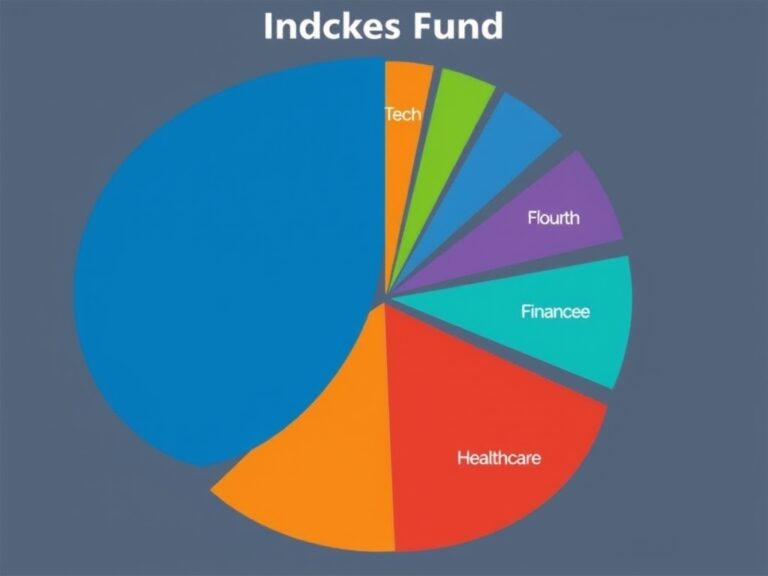
If you are wondering how to invest without becoming a full-time stock analyst, index funds are your new best friends. Instead of trying to pick the single ‘winning’ company, an index fund allows you to buy a tiny slice of the entire market, like the S&P 500. 📊 This provides instant diversification, which significantly lowers your risk compared to holding just one or two stocks. When one company in the index struggles, others may flourish, effectively balancing out your portfolio’s performance over time. Low-cost index funds are favored by legendary investors like Warren Buffett because they are incredibly efficient and transparent.
- They have low expense ratios, meaning more money stays in your pocket.
- They track established benchmarks, removing the guesswork from your strategy.
- They are ‘set it and forget it’ investments that handle the heavy lifting for you.
By focusing on these funds, you gain exposure to the best-performing sectors of the economy without needing to follow daily news cycles. It is the ultimate strategy for busy people who want wealth accumulation without constant monitoring. When you invest in an index fund, you are essentially betting on the long-term growth of the global economy, which has historically trended upward. This approach turns investing from a stressful chore into a seamless part of your monthly routine.
Tax-Advantaged Accounts: Why IRAs are Essential
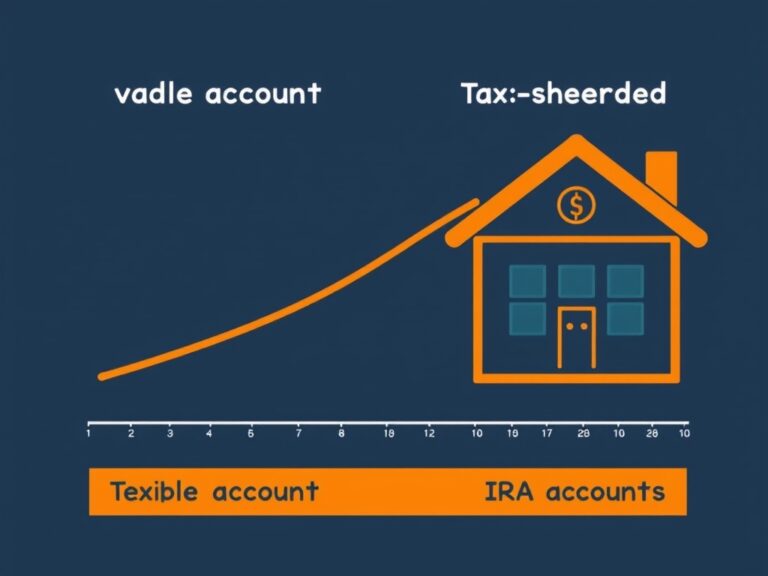
Understanding where you hold your money is just as important as knowing what you buy, which is why IRAs (Individual Retirement Accounts) are crucial. The government offers these accounts with specific tax benefits to encourage you to save for your golden years. 🏦 There are two primary types you should know: the Traditional IRA, which may offer immediate tax deductions, and the Roth IRA, where your money grows tax-free and withdrawals are tax-free in retirement. Think of these accounts as ‘tax-sheltered bubbles’ that protect your gains from the IRS.
- Roth IRAs are often recommended for younger investors who expect their tax bracket to rise.
- Traditional IRAs are great for those looking to lower their current taxable income.
- Always keep an eye on annual contribution limits to maximize your benefits.
Failing to utilize these accounts means you are likely paying more in taxes than necessary. By maximizing your IRA contributions, you ensure that more of your dividends and capital gains stay invested in your account, compounding even faster. It is one of the smartest ‘hacks’ in personal finance. Making an IRA the foundation of your investment journey is a strategic move that pays off significantly by the time you reach retirement age. Remember, you want your money working as hard as you do, and tax efficiency is a major part of that equation.
Strategy: Long-Term Growth vs. Short-Term Gains
Finally, we must distinguish between long-term investing and short-term speculation, as the mindset for each is vastly different. Long-term strategies are built on the foundation of patience, holding quality assets for years or even decades to ride out market volatility. 🚀 Conversely, short-term strategies often involve timing the market, which is statistically proven to be extremely difficult, even for professionals. If your goal is to build passive income, you should focus on assets that provide growth or dividends over a long horizon.
- Long-term: Focuses on fundamental value and historical market averages.
- Short-term: Focuses on trends, news, and price volatility.
- Passive Income: A result of reinvesting dividends over many years.
Most beginners find that a ‘buy and hold’ strategy provides the best results because it minimizes transaction costs and capital gains taxes. When you stop chasing the ‘hot stock of the week,’ you gain a sense of peace that is vital for your mental well-being. Investing is a marathon, not a sprint, and your biggest enemy is often your own urge to react to minor dips in the market. Stick to your plan, review your portfolio periodically, and trust the process. You are building a sustainable bridge to your future self, one consistent, thoughtful investment at a time.