Start Investing with Little Money: Best Index Funds for Beginners, Roth vs Traditional IRA, Passive Income & Long-Term Growth Strategies
🚀 Start Your Wealth-Building Journey Today
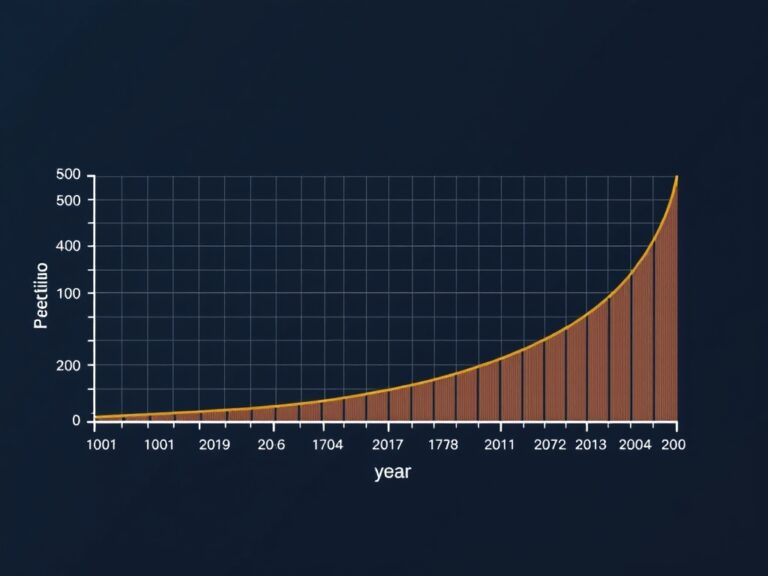
Starting to invest doesn’t require a fortune; in fact, you can begin building your financial future with as little as $5 or $10. Many beginners feel intimidated by the stock market, but consistent, small contributions are often more powerful than waiting for a large windfall. By utilizing dollar-cost averaging, you remove the stress of timing the market and ensure you are buying shares regularly regardless of price fluctuations. This approach is the cornerstone of long-term growth and passive income. Whether you are aiming for early retirement or simply want a financial safety net, the best time to start is now. You don’t need to be a Wall Street expert to see results; you just need to be disciplined. Remember that time is your greatest asset in the world of compounding interest. Think of your initial investment as a seed that, with patience and consistency, will grow into a robust financial tree. Let’s break down how you can get started effectively and efficiently.

📈 Why Index Funds are a Beginner’s Best Friend
If you want to keep things simple and effective, index funds are undoubtedly your best option. Unlike picking individual stocks, which requires deep analysis and carries higher risk, an index fund allows you to own a tiny piece of hundreds or thousands of companies at once. By tracking a major market index like the S&P 500, you are essentially betting on the success of the overall economy. This provides instant diversification, which significantly lowers your risk profile. Some top choices for beginners include:
- Low-cost S&P 500 ETFs
- Total Stock Market Index Funds
- Target-date retirement funds
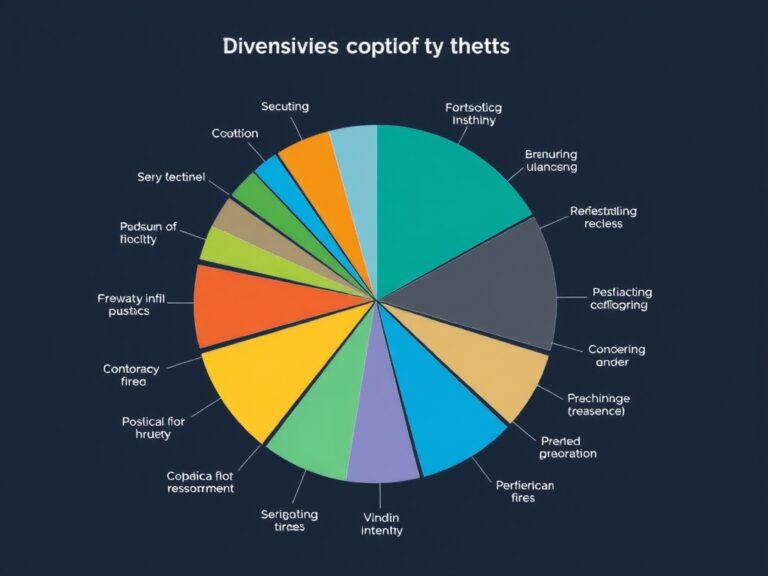
These funds generally have very low expense ratios, meaning more of your hard-earned money stays in your pocket. Because they are passively managed, you don’t have to worry about high fees eating away at your returns. Over long periods, these funds have historically outperformed most actively managed portfolios. It is the ultimate ‘set it and forget it’ strategy for long-term growth.
🏦 Roth vs. Traditional IRA: Tax Advantages Explained
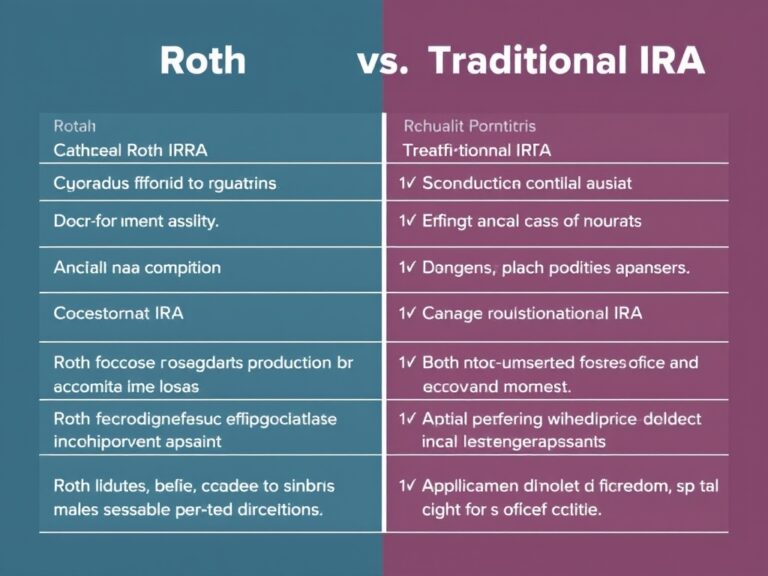
Choosing the right account type is just as important as choosing the right investment. When deciding between a Roth IRA and a Traditional IRA, you are essentially choosing when you want to pay your taxes. A Roth IRA allows you to contribute post-tax money today, meaning all your growth and future withdrawals in retirement are 100% tax-free. This is often the superior choice for young investors who expect to be in a higher tax bracket later in life. Conversely, a Traditional IRA offers a tax deduction now, which can lower your current taxable income, but you pay ordinary income taxes when you withdraw the funds during retirement. Key differences include:
- Roth: Tax-free growth, tax-free withdrawals.
- Traditional: Tax-deductible contributions, taxed upon withdrawal.
Deciding between the two depends on your current income level and your tax expectations for the future. Don’t let the technical terms discourage you; both accounts are powerful tools to supercharge your savings. Consult a tax professional if you are unsure which fits your specific situation, but generally, the Roth is highly favored for long-term compounding.
🌱 Cultivating Passive Income and Long-Term Success
Ultimately, the goal of investing is to create passive income that works for you even while you sleep. By reinvesting your dividends and maintaining a long-term mindset, you leverage the magic of compound interest to build substantial wealth over decades. Avoid the temptation to check your portfolio every single day, as market volatility is a normal part of the process. Instead, focus on increasing your contribution amount whenever your budget allows, even if it’s just an extra few dollars per paycheck. A solid strategy involves:
- Staying consistent regardless of market news.
- Keeping costs low by avoiding excessive trading.
- Maintaining an emergency fund so you never have to sell your investments early.
Success in the stock market isn’t about getting rich quick; it’s about staying invested and letting time do the heavy lifting. You have the power to change your financial destiny by making small, smart moves today. Stay focused, stay educated, and watch your net worth climb steadily over the years to come.