Start Investing with Little Money: Beginner’s Guide to Index Funds, Roth vs Traditional IRA, Passive Income, and Long-Term Growth
🚀 Starting Your Financial Journey with Just a Few Dollars
Welcome to the exciting world of wealth building! Many people mistakenly believe that you need thousands of dollars to enter the stock market, but that is a total myth in today’s digital age. Thanks to modern financial technology, you can start investing with little money—sometimes as little as $1 or $5. Fractional shares are a game-changer for beginners, allowing you to own a piece of high-priced companies like Amazon or Google without buying a whole share. The most critical factor for success isn’t the size of your first check; it’s the time you allow your money to grow.
- Micro-investing: Turning spare change into a portfolio.
- Consistency: Adding small amounts regularly.
- Compound Interest: The magic that multiplies your wealth over decades.
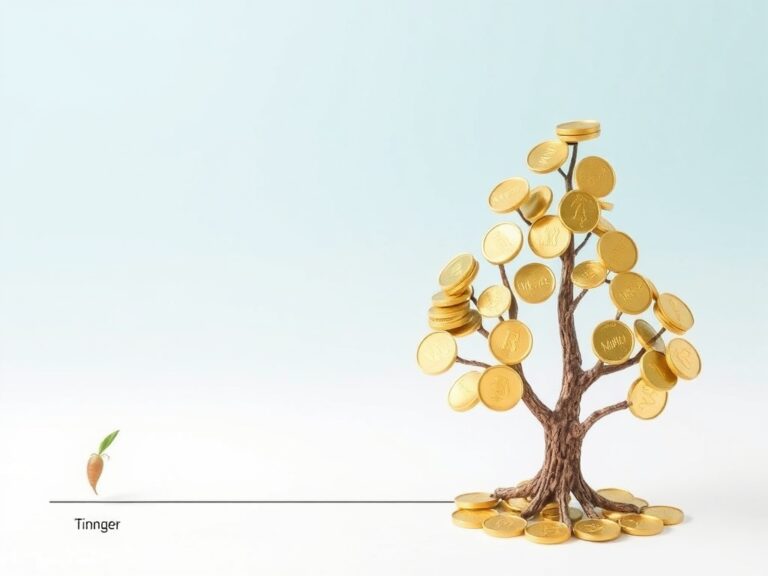
By starting small, you build the essential habit of saving and investing before your income grows. Every dollar you invest today is a seed that will eventually grow into a massive financial tree. Don’t wait for the “perfect” time or more money, because the best time to start was yesterday, and the second best time is right now. You are literally buying your future freedom with every small contribution you make to your account. Let’s break down the barriers and get your money working as hard as you do!
📈 The Power of Index Funds for Beginner Diversification
If you want a “set it and forget it” strategy, then Index Funds are going to be your new best friend. An index fund is essentially a basket of many different stocks that tracks a specific market index, such as the S&P 500. Instead of trying to find the next “unicorn” stock, you are buying a small slice of hundreds of the world’s most successful companies simultaneously. This provides instant diversification, which is the best way to lower your risk while still participating in market growth. 📉 These funds are famous for their low expense ratios, meaning you keep more of your returns instead of paying them out in high management fees. Legendary investors like Warren Buffett often recommend this approach for the average person because it’s simple and effective. You don’t need to be a Wall Street expert or spend hours reading balance sheets to see success here. Over long periods, index funds have historically outperformed the majority of professional fund managers who try to pick individual stocks. 💡 By investing in the whole market, you are betting on the long-term progress of the global economy. This strategy is perfect for achieving long-term growth without the stress of daily market volatility. Just keep buying, keep holding, and let the market do the heavy lifting for you over the coming years.
🏦 Retirement Strategy: Roth vs. Traditional IRA Explained
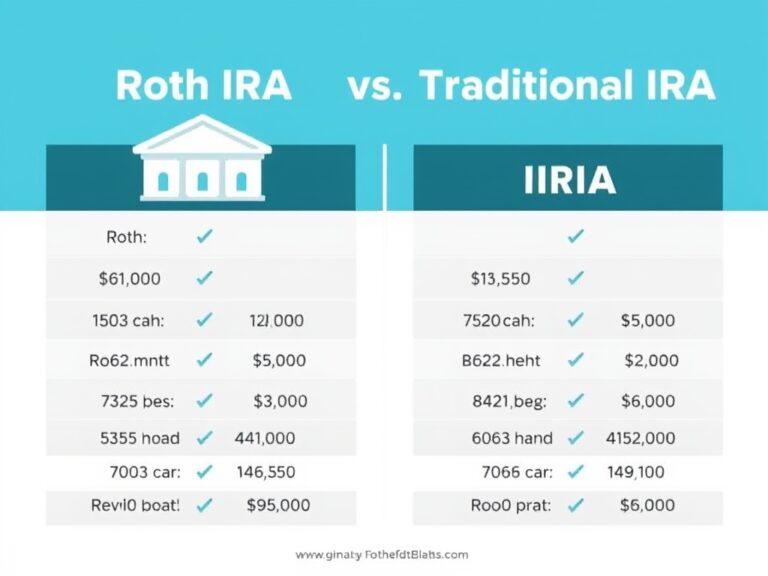
When you start your journey, choosing the right tax-advantaged account is just as vital as the investments themselves. Let’s look at the showdown between the Roth vs. Traditional IRA to see which fits your goals. A Traditional IRA typically allows for a tax deduction today, but you will pay taxes on your withdrawals when you retire in the future. In contrast, a Roth IRA is funded with after-tax dollars, which means your money grows completely tax-free, and you pay zero taxes on withdrawals during retirement! 🛡️ For most beginners who expect to earn more money later in life, the Roth IRA is often the superior choice because of those tax-free gains.
- Traditional IRA: Best if you are in a high tax bracket right now.
- Roth IRA: Best if you want to shield your future growth from the IRS.
- Contribution Limits: Both have annual caps that you should aim to fill.
These accounts are like protective shields for your wealth, ensuring that the government doesn’t take too large a slice of your hard-earned pie. Understanding these nuances is a key part of expert-level financial planning even when you’re just starting out. Make sure to check the current IRS contribution limits each year to maximize your benefits. Starting one of these accounts today is a massive step toward long-term financial security and independence. It’s not just about what you earn, but what you keep!
💰 Building Passive Income and Achieving Long-Term Growth
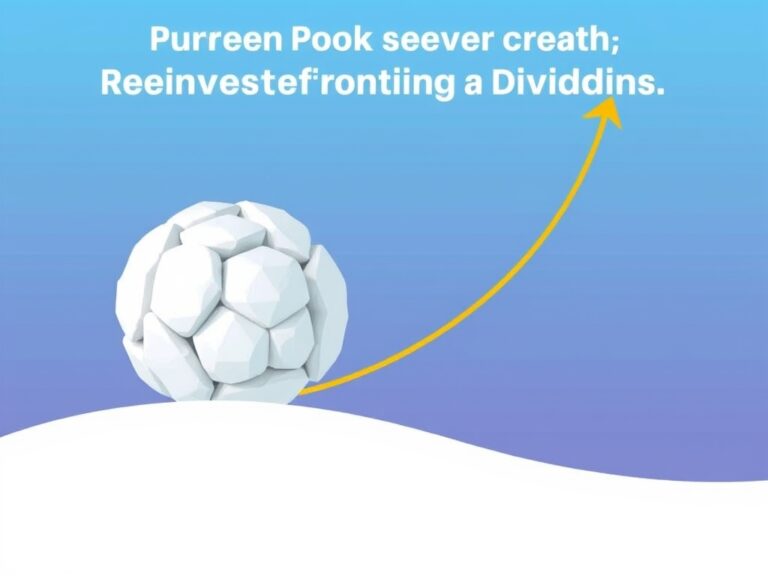
The ultimate goal of your investing journey is to create passive income that supports your lifestyle. Passive income is money that flows into your bank account without you having to actively trade your time or labor for it. When you own Index Funds or dividend-paying stocks, you receive a share of the companies’ profits, known as dividends. 🌊 By setting your brokerage account to automatically reinvest dividends, you buy more shares, which then produce more dividends, creating a powerful wealth snowball. This cycle is the secret to turning a modest portfolio into a significant fortune over the span of 20 to 30 years. 📈 Long-term growth requires the discipline to ignore the daily news headlines and stay the course during market downturns. Volatility is simply the price of admission for the high returns that the stock market offers over time. Imagine your money working for you 24/7, even while you are sleeping, traveling, or spending time with loved ones. 🏆 This path is a marathon, not a sprint, and the finish line is total financial freedom. By focusing on the long game and ignoring short-term noise, you avoid the common traps of emotional trading. You are building a legacy and a safety net that will provide for you and your family for decades to come. Stay focused, stay consistent, and watch your wealth grow!