Start Investing with Little Money: Beginner Index Funds, Roth vs Traditional IRA, Passive Income & Long vs. Short Term Strategies
💸 Starting Small: The Power of Index Funds
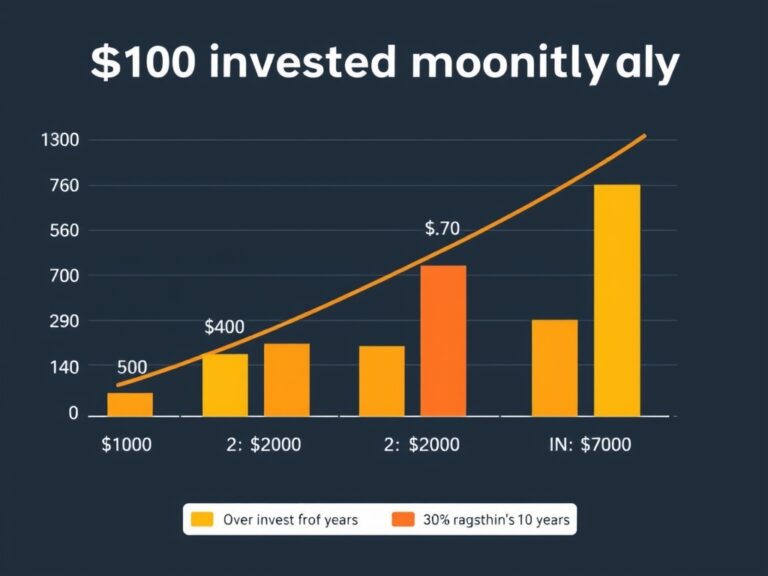
Hey there! If you’ve been sitting on the sidelines because you think you need a massive bankroll to enter the stock market, I have some great news: you can absolutely start investing with little money right now. One of the best ways to get your feet wet is through beginner index funds, which allow you to own a tiny piece of hundreds of different companies all at once. 📈 Instead of trying to pick the next winning stock, you’re betting on the growth of the entire market, which historically has been a very smart move. These funds are fantastic because they come with low fees and built-in diversification, meaning your risk is spread out. Many platforms now offer fractional shares, so even if you only have $5 or $10, you can start building your portfolio today. 🚀 Remember, the goal isn’t to get rich overnight but to establish a habit that your future self will thank you for. By automating your contributions, you ensure that you’re consistently growing your wealth without even thinking about it. Let’s break down the essentials you need to know:
- Low Cost: Index funds have minimal management fees.
- Diversification: You aren’t tied to the success of just one company.
- Accessibility: Start with as little as a few dollars.
It’s all about taking that first step, no matter how small it feels at the moment. Start small, stay consistent, and watch the magic happen.
🏦 Choosing Your Vault: Roth vs Traditional IRA
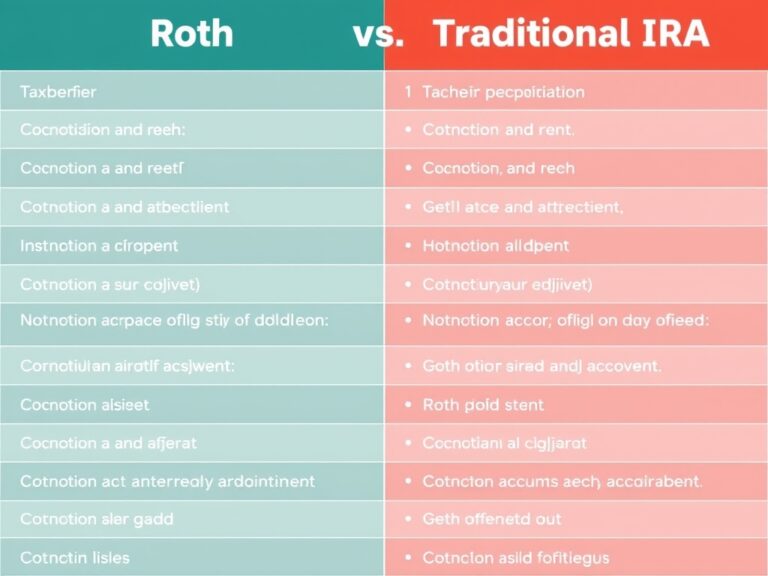
Now that you’re ready to put your money to work, you need to decide where to put it, and that’s where the Roth vs Traditional IRA debate comes into play. Choosing the right retirement account is a cornerstone of any passive income strategy because it determines how much of your hard-earned gains you actually get to keep. A Traditional IRA gives you a tax break upfront, meaning your contributions are tax-deductible today, which is great if you’re in a high tax bracket now. 🏦 On the flip side, a Roth IRA is funded with after-tax dollars, but the magic happens later: your withdrawals in retirement are completely tax-free! For most beginners who expect to earn more later in life, the Roth IRA is often the ‘gold standard’ because you’re essentially locking in your current tax rate. 🛡️ Imagine watching your investment grow for 30 years and not owing the government a single penny when you take it out! Both accounts have annual contribution limits, so it’s wise to start early to maximize your tax-advantaged space. Navigating these options might seem daunting, but picking one and getting started is far better than doing nothing at all. To summarize the key differences:
- Traditional IRA: Pay taxes later, get a deduction now.
- Roth IRA: Pay taxes now, enjoy tax-free growth later.
- Potential: Both allow for tax-deferred compounding.
Your choice today will define your lifestyle decades from now. It’s the difference between retiring well and retiring wealthy.
❄️ The Snowball Effect: Building Passive Income
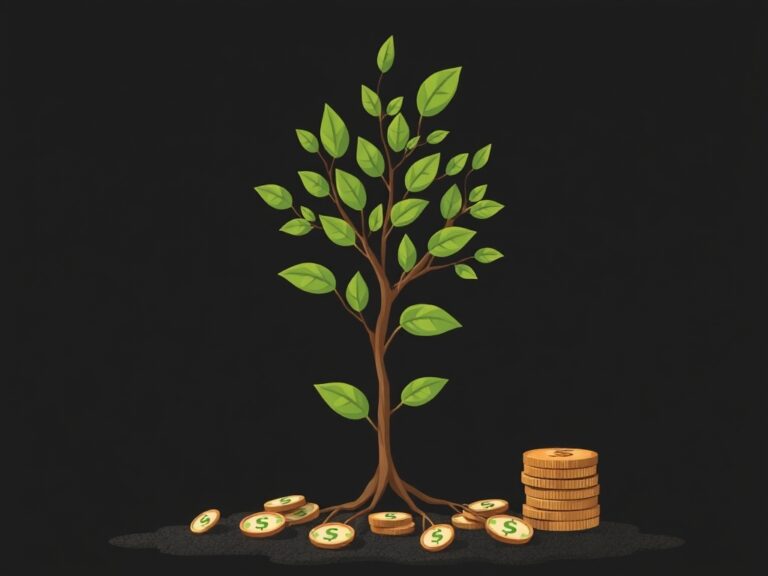
One of the most exciting aspects of long-term investing is the ability to generate passive income through dividends and the sheer power of compounding interest. Think of compounding as a snowball rolling down a hill; it starts small, but as it gathers more snow, it grows exponentially faster. ❄️ When you invest in index funds or dividend-paying stocks, you’re essentially putting your money to work so that eventually, it can replace your 9-to-5 income. Even if you’re starting with little money, reinvesting those small dividend payments can lead to a massive portfolio over several decades. 🌳 It is crucial to understand that consistency is your best friend here, as even a modest monthly contribution can blossom into a significant nest egg. Many investors get caught up in the daily fluctuations of the market, but the real winners are those who stay the course. ⏳ By focusing on quality assets that pay you to hold them, you’re building a financial engine that runs in the background. Here’s why passive income is a game-changer:
- Scalability: Your income grows as your portfolio grows.
- Freedom: It reduces your reliance on a traditional paycheck.
- Compounding: Your earnings start earning their own earnings.
The earlier you start this process, the less heavy lifting you’ll have to do later. Don’t underestimate the power of a few dollars invested wisely. You are literally buying your future freedom one share at a time.
⚖️ The Game Plan: Long vs Short-Term Strategies
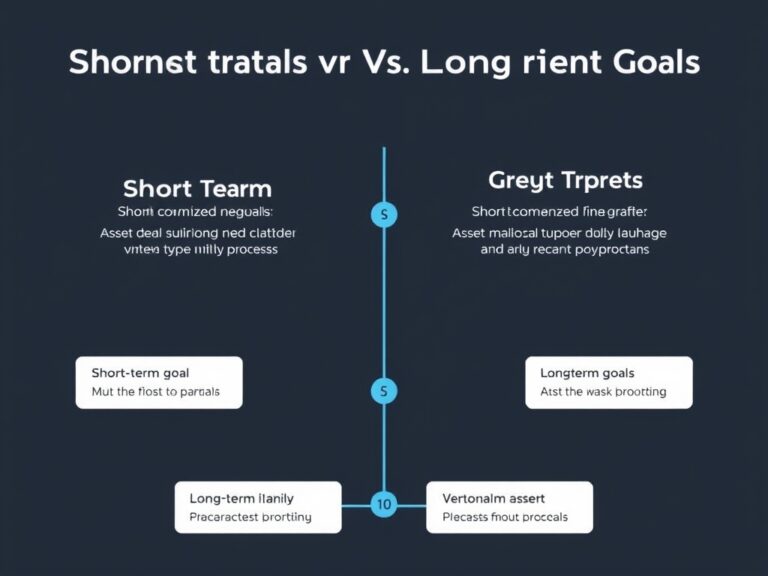
To truly master your finances, you must distinguish between long vs short-term strategies and align them with your personal timeline. A short-term strategy usually involves money you might need in the next one to three years, such as a house down payment or an emergency fund. 🏦 Conversely, long-term investing is for goals that are ten, twenty, or even forty years away, where you can afford to ride out the market’s inevitable roller coaster. 🎢 Expert investors know that ‘time in the market’ beats ‘timing the market’ every single time, so keeping your eyes on the horizon is vital. 🌅 Beginner index funds are perfect for the long haul because they capture the general upward trajectory of the economy. 📊 Balancing these two approaches ensures that you have cash when you need it while still building wealth for the future. ⚖️ By categorizing your money this way, you remove the emotional stress that often leads to poor financial decisions. Consider these strategic pillars:
- Short-Term: Focus on liquidity and capital preservation.
- Long-Term: Focus on growth and overcoming inflation.
- Risk: Don’t put money in the stock market that you need for rent.
Your roadmap to wealth is built on these foundational concepts. Stay disciplined and keep your eyes on the prize. Your future self will thank you for the work you do today!