
Start Investing Smart: Little Money, Best Index Funds, Roth vs Traditional IRA, Passive Income & Long-Term Growth
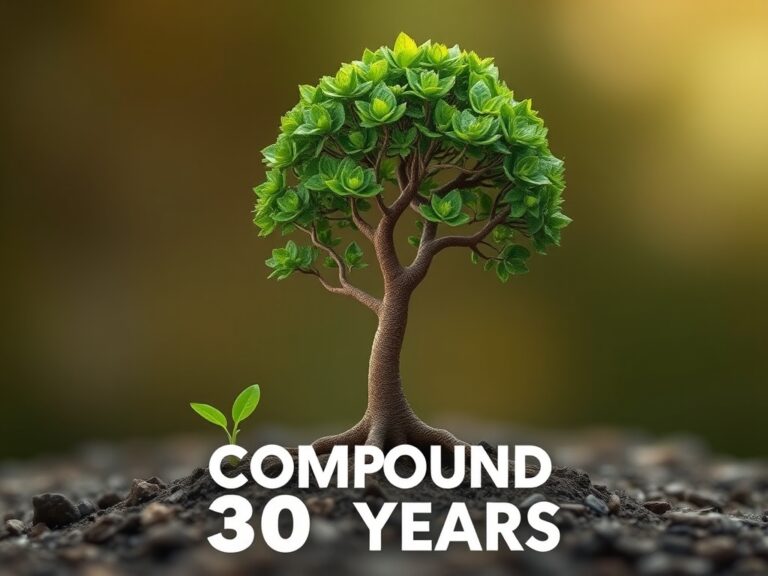
Hey there! If you’ve ever felt like investing is only for the wealthy, I’m here to tell you that’s a total myth. You don’t need a massive inheritance to start investing smart today. In fact, the most important factor isn’t how much you start with, but how early you begin. Thanks to modern apps and fractional shares, you can jump into the market with as little as $10 or $20. The goal here is to establish a habit of consistency, allowing your long-term growth strategy to take root. Think of your money like a seed; even a small one can grow into a massive oak tree if given enough time and the right soil. By starting small, you lower the barrier to entry and reduce the psychological fear of ‘losing it all.’ It’s all about getting your feet wet and understanding the rhythm of the markets.
- Small contributions lead to big results
- Time is your greatest asset
- Consistency beats timing the market every single time
Every dollar you invest now is a soldier working for your future financial freedom. So, don’t wait for a windfall to get started. Just pick a small amount you won’t miss and let the power of compounding begin its magic. Your future self will be incredibly grateful that you started today.
Now that you’re ready to put your money to work, let’s talk about the ‘secret sauce’ of successful investors: Best Index Funds. Instead of trying to pick the next winning stock like a needle in a haystack, why not just buy the whole haystack? Index funds allow you to own a tiny piece of hundreds of different companies at once, providing instant diversification. This approach is widely considered one of the safest ways to achieve passive income over time because you’re betting on the growth of the entire economy rather than a single company’s performance. Many professionals prefer S&P 500 index funds because they track the 500 largest companies in the US. Low expense ratios are the key here; you want to keep more of your returns instead of giving them away in management fees.
- Diversification reduces risk
- Lower fees mean higher long-term returns
- Perfect for hands-off, ‘set it and forget it’ investing
By automating your investments into these funds, you ensure that you’re buying during both market highs and lows. This ‘dollar-cost averaging’ strategy is a cornerstone of long-term growth. It turns market volatility from a scary monster into a tool for building wealth while you sleep. You don’t need to be a Wall Street expert to see these results. Just stay consistent and let the market do the heavy lifting for you.
Choosing where to house your investments is just as important as what you buy, which brings us to the great debate: Roth vs Traditional IRA. A Traditional IRA offers an immediate tax break because your contributions are often tax-deductible, but you’ll pay taxes when you withdraw the money later. On the flip side, a Roth IRA is funded with ‘after-tax’ dollars, meaning you don’t get a tax break today. However, your withdrawals are 100% tax-free in retirement! For many young investors, the Roth IRA is the holy grail because it allows your long-term growth to compound without the government taking a cut later. It’s essentially a gift to your future self.
- Traditional: Pay taxes later, save on taxes now
- Roth: Pay taxes now, enjoy tax-free growth forever
- Income limits apply to Roth IRAs, so check your eligibility
Deciding between the two depends on whether you think your tax bracket will be higher or lower in the future. Generally, if you’re early in your career and earning less, the Roth is a phenomenal choice. Regardless of which you choose, utilizing a tax-advantaged account is a smart investing move that significantly boosts your net worth. It’s about being strategic with the rules to maximize your wealth-building potential. Think of it as putting a protective shield around your savings. Don’t overlook the importance of these tax structures in your journey.
To wrap this all up, remember that building passive income and achieving financial independence is a marathon, not a sprint. The beauty of starting investing smart with little money is that it builds the mental discipline required to manage larger sums later. As your portfolio grows through index funds and tax-efficient accounts, you’ll start to see the results of ‘money making money.’ This is where the concept of the ‘snowball effect’ really kicks in, as your dividends and capital gains begin to outpace your original contributions. Long-term growth requires patience and the ability to ignore the daily noise of the news cycle.
- Stay invested during market downturns
- Reinvest your dividends for maximum compounding
- Adjust your strategy only when your life goals change
Don’t let fear or ‘analysis paralysis’ keep you on the sidelines. The best time to start was ten years ago, but the second best time is today. By focusing on low-cost funds and maximizing your IRA contributions, you are laying a foundation for a life of freedom. Keep your eyes on the prize, stay consistent, and watch how your small steps today turn into giant leaps tomorrow. Your future self will thank you for taking these first steps toward passive income and lasting wealth. You have all the tools you need to succeed right now.