
Start Investing Small: Beginner’s Guide to Index Funds, Roth vs Traditional IRA, Passive Income & Long-Term Growth
Start Your Wealth-Building Journey Today
Starting to invest doesn’t require a mountain of cash; in fact, starting small is often the smartest way to enter the market. Many beginners feel intimidated by the complex world of finance, but the secret to long-term success is consistency, not just a high starting balance. By investing even a few dollars each month, you leverage the magic of compound interest to grow your wealth over time. In this guide, we will break down the essential steps to building a robust portfolio, whether you are just out of college or looking to secure your retirement. We will cover why index funds are a game-changer, the differences between tax-advantaged accounts, and how to start generating passive income. Remember, the market is a marathon, not a sprint, so your mindset is your most valuable asset. Are you ready to take control of your financial future and make your money work for you? Let’s dive into the strategies that can turn small, regular contributions into a significant nest egg over the coming decades.

Why Index Funds Are the Ultimate Beginner Tool
If you are looking for a simple, low-cost way to invest, index funds should be your first port of call. Unlike trying to ‘pick the next big stock,’ index funds allow you to buy a small slice of hundreds of companies at once, effectively owning the entire market. This approach is famous for being favored by experts like Warren Buffett, as it minimizes risk through diversification. Key benefits of index funds include:
- Low expense ratios: You pay very little in management fees.
- Instant diversification: Spreading your money across different sectors.
- Passive management: No need to spend hours researching individual companies.
By keeping your costs low, you ensure that more of your money stays in your account to earn compound returns. Over the long run, the majority of active stock pickers fail to beat the market, which is why index funds are a staple for long-term growth. When you start investing small, these funds allow you to own major companies like Apple, Amazon, and Google without needing thousands of dollars to open a single position. Simply put, they are the backbone of a stress-free, effective investment strategy.
Roth vs. Traditional IRA: Picking Your Tax Advantage
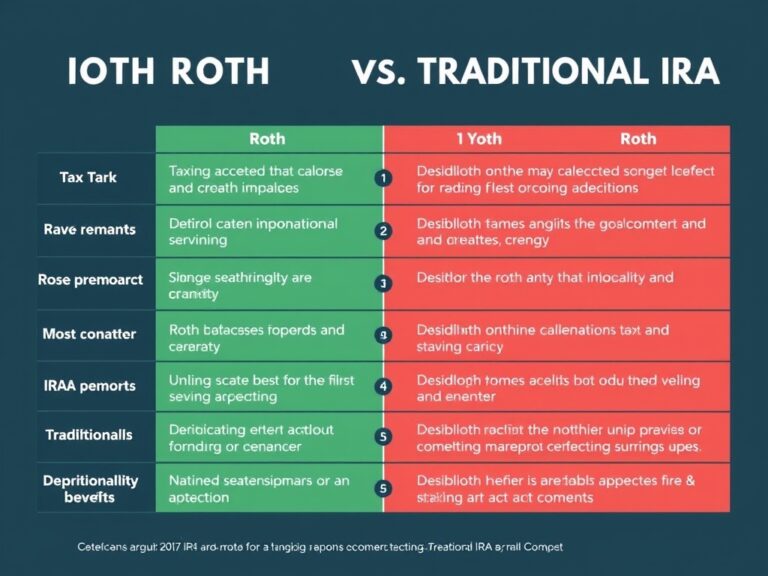
Choosing between a Roth IRA and a Traditional IRA is a crucial step in optimizing your taxes, and understanding the difference is key to your wealth strategy. A Roth IRA is often the favorite for beginners because you contribute money after taxes, meaning your investments grow tax-free and withdrawals are tax-free in retirement. This is fantastic if you believe you will be in a higher tax bracket in the future. On the other hand, a Traditional IRA provides an upfront tax deduction on your contributions, which lowers your current taxable income. Here is a quick breakdown to help you choose:
- Roth IRA: Best if you expect to be in a higher tax bracket later.
- Traditional IRA: Best if you want to lower your tax bill today.
- Flexibility: Both accounts have annual contribution limits set by the IRS.
It is important to note that withdrawing money before retirement can lead to penalties in both accounts, so treat this as your ‘hands-off’ long-term savings. By selecting the right vessel for your funds, you are effectively using government incentives to boost your final balance. Whether you prioritize tax savings today or tax-free growth tomorrow, both accounts are powerful engines for building long-term wealth.
Mastering Passive Income and Long-Term Growth
Once you have your accounts set up, your focus should shift to the power of passive income and staying the course for long-term growth. Investing isn’t just about buying; it is about holding through the inevitable market fluctuations that occur over years or decades. You can automate your contributions so that a set amount is transferred from your paycheck or bank account into your index funds every single month. This strategy, known as dollar-cost averaging, removes the emotional urge to ‘time the market’ and ensures you buy more shares when prices are low. As your dividends reinvest, your portfolio begins to snowball, growing larger at an accelerating rate.
- Automation: Set it and forget it to remove human error.
- Reinvestment: Use dividends to buy more shares automatically.
- Patience: Avoid checking your balance every single day.
By focusing on these core pillars, you will build a sustainable system that requires minimal effort while yielding maximum results. Start today, stay disciplined, and watch as your small monthly deposits blossom into financial freedom. Your future self will thank you for the habits you are building right now in this very moment.