Smart Investing 101: Low-Cost Start, Best Index Funds, Roth vs Traditional IRAs, Passive Income, and Long- vs Short-Term Strategies
Smart Investing 101: The Low-Cost Start
Welcome to the world of Smart Investing 101, where the goal is to make your money work harder than you do. You might think you need a massive inheritance to begin, but the truth is that a low-cost start is often the most sustainable way to build long-term wealth. Many modern brokerage platforms now allow you to begin with as little as $1 or $5 thanks to fractional shares, effectively lowering the barrier to entry for everyone. By starting early, even with small amounts, you harness the incredible power of time, which is arguably your greatest asset in the market. 🚀 It is important to prioritize high-interest debt repayment first, but once you have a small emergency fund, getting your skin in the game is the next logical step. Think of your initial investments as seeds being planted in a garden that will eventually provide shade and fruit. 🌳 You should look for platforms with zero commission fees to ensure that your small contributions aren’t being eaten away by overhead costs. The key is consistency; setting up an automatic transfer every payday ensures that you are paying your future self first. We will explore how to pick the right assets, but the first hurdle is simply overcoming the fear of starting. Remember, the best time to plant a tree was twenty years ago, and the second best time is today. Let’s dive into how you can transform these small starts into a robust portfolio.
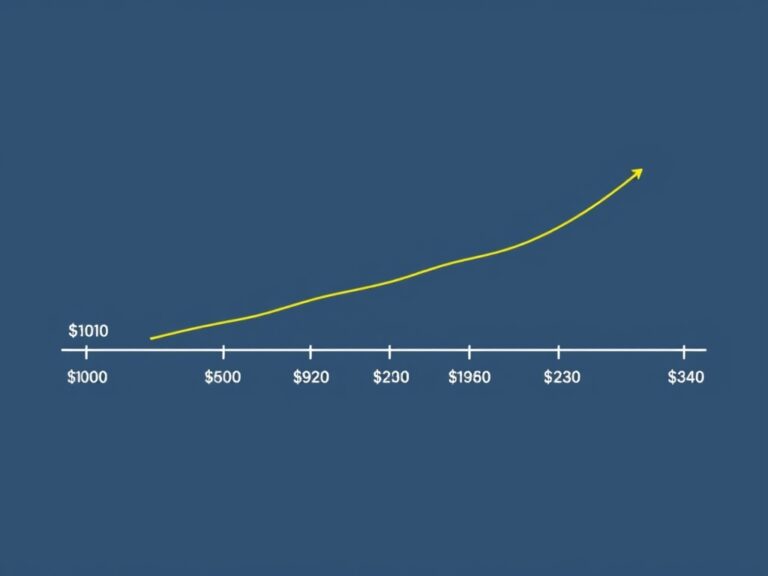
The Best Index Funds for Passive Income
Now that you’re ready to start, let’s talk about the best index funds, which are often the ‘secret sauce’ for successful retail investors. An index fund is essentially a basket of stocks that tracks a specific market segment, like the S&P 500, providing instant diversification without the need to pick individual winners. 📊 For those seeking passive income, many index funds pay out dividends, which can be automatically reinvested to purchase even more shares. This creates a feedback loop of growth that requires very little maintenance on your part, making it a favorite strategy for hands-off investors. 📈 When choosing funds, you should look for low expense ratios, as these fees can significantly impact your returns over several decades.
- Vanguard Total Stock Market (VTI): Provides exposure to the entire U.S. equity market.
- Fidelity 500 Index Fund (FXAIX): Tracks the 500 largest U.S. companies with extremely low fees.
- Schwab US Dividend Equity (SCHD): Focuses on high-quality, dividend-paying companies.
By spreading your money across hundreds of companies, you mitigate the risk of any single business failing and ruining your portfolio. It’s not about timing the market; it’s about ‘time in the market,’ allowing the broader economy’s growth to lift your net worth. Most experts agree that for 99% of people, a simple portfolio of broad-market index funds will outperform active stock picking in the long run. 💡 This approach turns the complex world of finance into a manageable, automated system that builds wealth while you sleep. In essence, you are buying a piece of the world’s most successful corporations with one single click. Diversification is often cited as the only free lunch in the financial world.
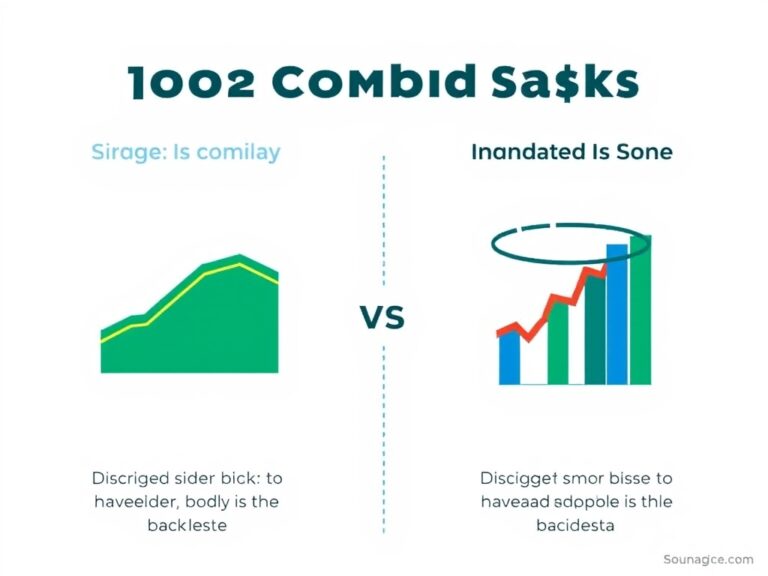
Understanding Your Options: Roth vs Traditional IRA
Choosing the right container for your investments is just as important as the investments themselves, which brings us to the Roth vs Traditional IRA debate. A Traditional IRA allows you to contribute pre-tax or tax-deductible dollars, which lowers your taxable income today but means you’ll pay taxes when you withdraw the money in retirement. 🏦 Conversely, a Roth IRA is funded with after-tax dollars, meaning you don’t get a tax break now, but your investments grow tax-free and your withdrawals in retirement are completely tax-exempt. 💎 Deciding between the two often depends on whether you think your tax bracket will be higher now or when you retire. Many young investors prefer the Roth IRA because they expect to be in a higher tax bracket later in life and want to lock in tax-free growth early. It is also worth noting that Roth IRAs offer more flexibility, as you can often withdraw your contributions without penalty if an emergency arises.
- Traditional IRA: Best if you need a tax break immediately to lower your current bill.
- Roth IRA: Ideal for long-term growth and those who prioritize tax-free income later.
- Income Limits: Be aware that both account types have specific IRS eligibility rules.
Regardless of which you choose, utilizing these tax-advantaged accounts is a cornerstone of smart investing. They act as a protective shield for your wealth, ensuring that the government doesn’t take a larger slice of your pie than necessary. Maximizing these accounts every year should be a top priority once your high-interest debts are cleared. Think of these accounts as the engine of your retirement vehicle. Understanding the tax code is just as vital as understanding stock charts. Your future self will thank you for the foresight you show today.
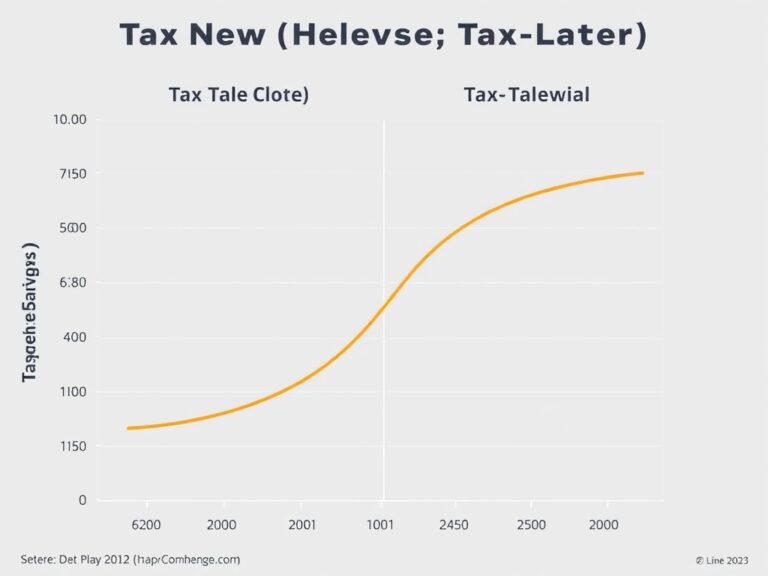
Long- vs Short-Term Strategies: Knowing Your Timeline
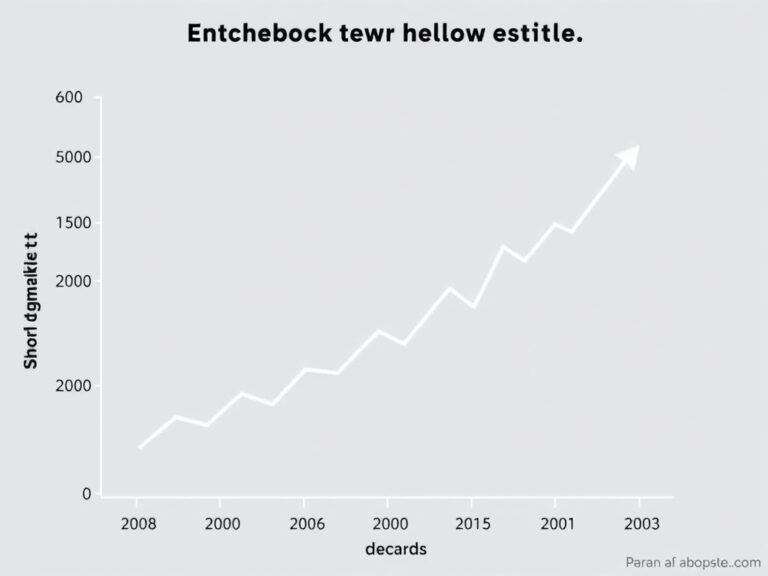
Understanding the difference between Long- vs Short-Term Strategies is crucial for managing your expectations and your emotions during market swings. Short-term strategies often involve ‘trading’ rather than ‘investing,’ focusing on price movements over days, weeks, or months to turn a quick profit. 🏎️ While tempting, short-term trading is high-risk and requires significant time, technical knowledge, and a high tolerance for volatility. On the other hand, long-term strategies focus on the fundamental growth of the economy over years or even decades. 🏔️ By holding assets for the long haul, you benefit from compound interest, which Albert Einstein famously called the ‘eighth wonder of the world.’ Long-term investors can afford to ignore daily market noise and ‘buy the dip’ when prices drop, knowing that the market historically trends upward over time. 📉➡️📈 You must define your ‘why’ before you decide on your timeline; saving for a house in two years requires a different approach than saving for retirement in thirty. Short-term money should generally stay in safer, liquid assets like high-yield savings accounts or money market funds. Long-term money, however, belongs in the stock market where it has the room to breathe and grow despite inevitable fluctuations. Balancing these two horizons ensures that you have the cash you need for today while securing the lifestyle you want for tomorrow. This dual-track thinking prevents you from being forced to sell at a loss during a temporary downturn.
Building Your Future Today
In conclusion, the path to financial independence through Smart Investing 101 isn’t about finding a ‘get rich quick’ scheme, but about discipline and strategy. You’ve learned that a low-cost start is perfectly valid and that the best index funds are your most reliable vehicles for building passive income. 🧱 By carefully weighing the pros and cons of Roth vs Traditional IRAs, you are optimizing your tax situation for decades to come. 🛡️ Remember that your success depends less on your IQ and more on your temperament; staying the course during a market downturn is what separates the winners from the losers. 🧘♂️ Always keep a portion of your portfolio aligned with Long- vs Short-Term Strategies that match your personal goals and risk tolerance. 🎯 It is helpful to review your portfolio at least once a year to rebalance and ensure your asset allocation hasn’t drifted too far from your plan. Don’t let ‘analysis paralysis’ stop you from taking the first step today; even a small contribution is a victory for your future. 🏆 Investing is a marathon, not a sprint, and the finish line is a life of freedom and security. 🏁 Stay curious, keep learning, and trust in the process of consistent, intelligent wealth building. Your journey towards financial literacy is a lifelong investment that pays the highest interest. Commit to the process and watch your financial tree grow over time.