
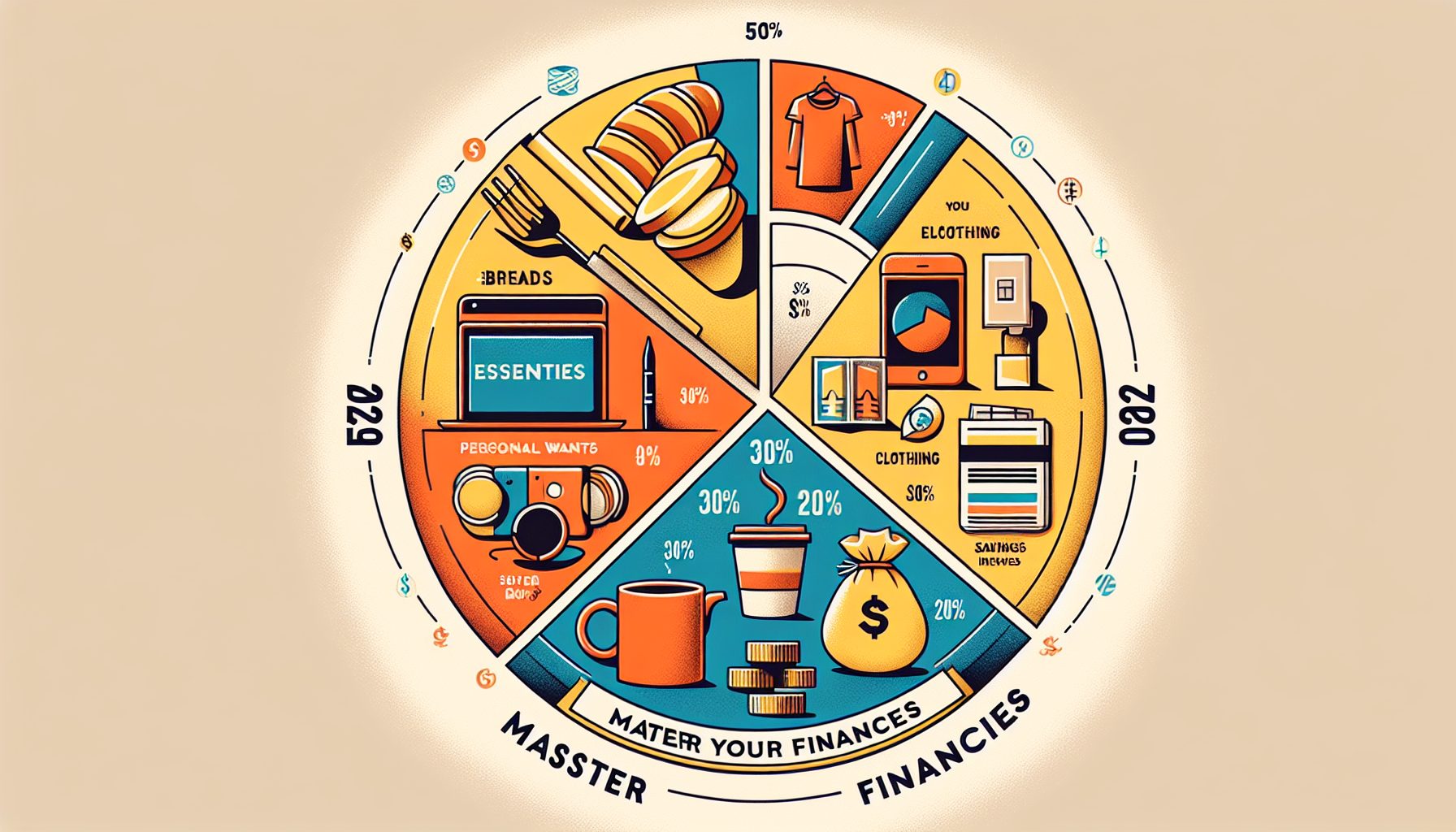
Mastering Your Finances with the 50/30/20 Rule
The 50/30/20 rule is a straightforward budgeting strategy that helps individuals manage their finances by dividing their after-tax income into three categories:
1. 50% for Needs
This category covers essential expenses required for basic living, such as:
- Housing (rent or mortgage)
- Utilities
- Groceries
- Transportation
- Healthcare
These are the non-negotiable expenses that ensure your basic needs are met and are crucial for survival.
2. 30% for Wants
Discretionary spending on non-essential items that enhance lifestyle falls into this category, including:
- Dining out
- Entertainment
- Travel
- Hobbies
This allows you to enjoy life while still maintaining a functional budget.
3. 20% for Savings and Debt Repayment
This allocation is crucial for long-term financial health and includes:
- Building an emergency fund
- Contributing to retirement accounts
- Paying down debts beyond the minimum payments
Prioritizing savings ensures financial security for the future.
Origins and Flexibility of the 50/30/20 Rule
This method was introduced by U.S. Senator Elizabeth Warren in her book All Your Worth: The Ultimate Lifetime Money Plan. It provides a balanced approach to financial management, ensuring essential needs are met, lifestyle choices accommodated, and future financial security prioritized.
It’s important to note that while the 50/30/20 rule provides a general framework, individual circumstances may require adjustments. For instance, in high-cost living areas, allocating a higher percentage to needs might be necessary, leading some to adopt a 60/30/10 budgeting method.
Implementation Tips
To effectively implement this budgeting strategy, consider using budgeting apps that can help track and categorize your expenses. This makes it easier to adhere to the 50/30/20 allocation.
Conclusion
By following the 50/30/20 rule, you can achieve a balanced financial life that accommodates your current needs, desires, and future goals.
Further Learning
For a visual explanation of the 50/30/20 rule, you might find this video helpful:
Budgeting tip: try the 50/30/20 Rule