
Investing With Little Money: Index Funds, Roth vs Traditional IRA, Passive Income & Long-Term Growth Strategies
Getting Started: Small Seeds Lead to Big Harvests
Believe it or not, you don’t need a massive inheritance or a six-figure salary to start building a significant financial future today. Many people hold the misconception that investing with little money is a waste of time, but the reality is quite the opposite thanks to the magic of compounding. Starting small allows you to learn the ropes of the market without risking your entire life savings while you’re still in the learning phase. Modern fintech apps and brokerage platforms now offer fractional shares, meaning you can own a piece of your favorite tech giant for as little as $5. This democratization of the stock market has completely removed the traditional barriers to entry that once kept the average person on the sidelines. By consistently contributing small amounts, you are practicing the habit of paying yourself first, which is the cornerstone of all wealth-building strategies. Think of your initial small investments as seeds that, when watered with time and consistency, will eventually grow into a sturdy financial forest. Even an extra $50 a month can blossom into a substantial sum over two or three decades if it is placed in the right growth vehicles. The most important step isn’t how much you start with, but rather how early you begin the process of putting your money to work.
- Start with what you have.
- Automate your savings.
- Focus on the long-term horizon.
You should also consider that every dollar you invest now has the potential to double multiple times before you ever reach retirement age. In this guide, we will explore exactly how to navigate these waters effectively to maximize every dollar you earn. Taking action today is the greatest gift you can give to your future self.

The Simplicity of Index Funds
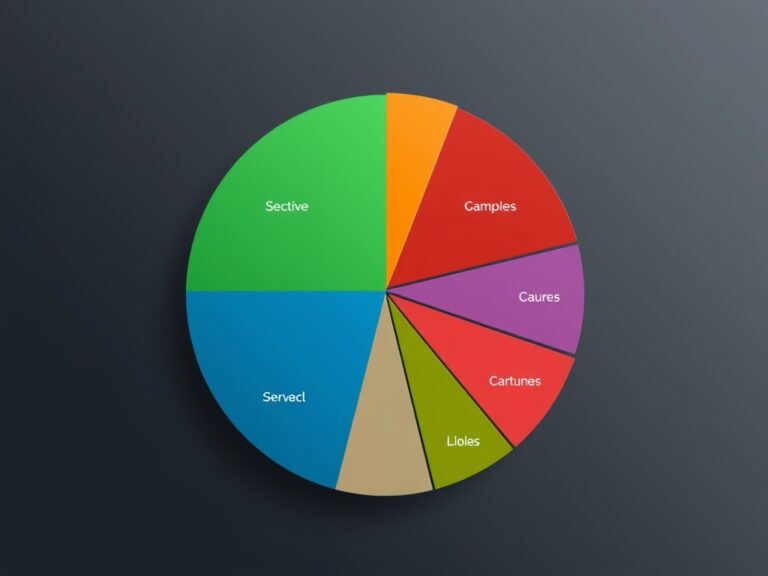
When you’re looking for the best way to leverage a small budget, index funds stand out as the gold standard for both safety and growth. An index fund is essentially a basket of stocks that tracks a specific market index, like the S&P 500, giving you instant diversification. Instead of trying to find the “next big thing” and risking your hard-earned cash on a single company, you are betting on the entire economy’s success. This strategy is highly effective because it significantly lowers your risk; if one company in the index fails, the others are there to balance it out. Furthermore, index funds typically have very low expense ratios, which means more of your money stays in your pocket instead of going to fund managers. For the beginner investor, these funds provide a “set it and forget it” approach that requires very little daily maintenance or market monitoring.
- Diversification reduces volatility.
- Low fees maximize long-term returns.
- Consistent historical performance.
Over long periods, the broad market has historically trended upward, making this a reliable path for long-term growth strategies and passive income. You can easily start investing in these through most major brokerage accounts with no minimum balance requirements in many cases. By choosing a total market index fund, you are effectively owning a small slice of hundreds or even thousands of profitable corporations. This hands-off approach is often more profitable for the average person than active trading, as it avoids the pitfalls of emotional decision-making. Investing in index funds is perhaps the most efficient way to begin your journey toward financial independence without needing a finance degree. This approach is favored by icons like Warren Buffett for its simplicity and historical effectiveness.
Roth vs. Traditional IRA: The Battle of the Taxes
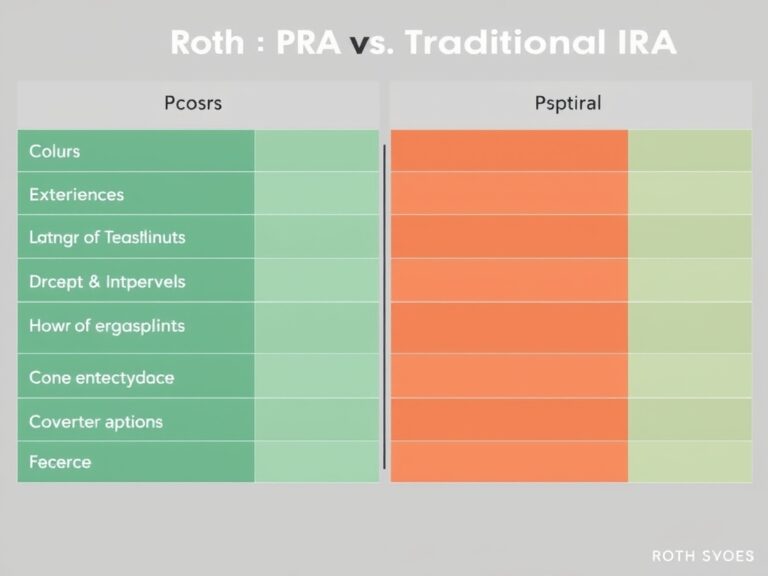
Understanding the tax implications of your investments is crucial, and that’s where the Roth vs Traditional IRA debate becomes vital for your strategy. A Traditional IRA offers an immediate tax break because your contributions are often tax-deductible in the year you make them. However, you will eventually have to pay income tax on the money you withdraw during your retirement years, which might be a disadvantage later. On the flip side, a Roth IRA is funded with after-tax dollars, meaning you don’t get a tax break today, but your future withdrawals are completely tax-free. For many young investors or those currently in a lower tax bracket, the Roth IRA is often the superior choice due to the long-term tax-free growth. Imagine reaching retirement age and being able to pull out hundreds of thousands of dollars without giving a single cent to the IRS. Traditional IRAs are often better if you expect to be in a significantly lower tax bracket when you retire than you are now.
- Roth IRA: Pay taxes now, reap rewards later.
- Traditional IRA: Save on taxes now, pay later.
- Both offer significant advantages over standard brokerage accounts.
It is important to check the current income limits for both types of accounts to ensure you qualify for the specific tax benefits they offer. Many experts suggest that having a mix of both can provide “tax diversification,” giving you more flexibility in how you manage your income in the future. Regardless of which you choose, utilizing a tax-advantaged retirement account is a powerful move for anyone investing with little money. These accounts are specifically designed to reward those who have the patience to stick with their long-term growth strategies. Taking advantage of these structures early on can save you tens of thousands of dollars in taxes over your lifetime.
Building Momentum and Passive Income
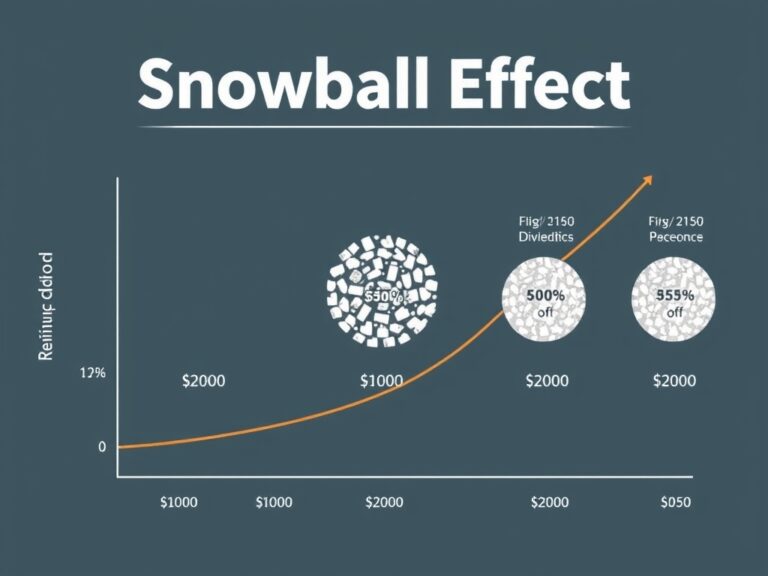
Once you have established your core portfolio, you can start focusing on how to generate sustainable passive income from your assets. Passive income is essentially money that works for you while you sleep, allowing you to eventually break free from the traditional nine-to-five grind. One of the most popular methods for this is through dividend-paying stocks or dividend-focused index funds that distribute profits to shareholders regularly. Even if you only own a few shares, those dividends can be automatically reinvested to purchase even more shares through a DRIP (Dividend Reinvestment Plan). This creates a compounding “snowball effect” where your money generates more money, which then generates even more money over time. Another key component of successful growth is dollar-cost averaging, which involves investing a fixed amount of money at regular intervals regardless of price.
- Consistency beats timing the market.
- Reinvesting dividends accelerates growth.
- Passive income provides financial security.
By sticking to a schedule, you naturally buy more shares when prices are low and fewer when prices are high, lowering your average cost. It’s also important to keep your emotions in check during market downturns, as these are often the best times to buy assets at a discount. Patience is your greatest ally when it comes to building a portfolio that can eventually support your lifestyle through passive cash flow alone. As your income increases over the years, you can slowly scale up your contributions while keeping your lifestyle inflation in check. This disciplined approach is the secret sauce used by many of the world’s most successful investors to turn modest beginnings into vast fortunes. Start small, stay consistent, and watch as your financial dreams slowly become your everyday reality.
The Power of Consistency and Patience
Building wealth is rarely about finding a shortcut and more about the discipline of staying the course over many years. Even when the market feels volatile, your commitment to your long-term growth strategies will be the deciding factor in your success. It is easy to feel discouraged when you only have a few hundred dollars invested, but remember that every giant oak tree began as a tiny acorn. The habits you build now while investing with little money will serve as the foundation for when you are managing much larger sums. Avoid the temptation to constantly check your portfolio balance, as short-term fluctuations are merely noise in the grand scheme of things. Instead, focus on increasing your knowledge and finding new ways to contribute just a little bit more each month.
- Stay disciplined during market dips.
- Keep your eyes on the 20-year horizon.
- Celebrate the small milestones along the way.
Your future financial independence is not a sprint; it is a marathon that rewards those who simply refuse to quit. By the time you reach your goals, you will realize that the journey of self-discipline was just as valuable as the money itself. The best time to plant a tree was twenty years ago, but the second best time is right now. Start your journey today with confidence, knowing that you have the tools and the plan to succeed. Every small contribution is a vote for the person you want to become and the life you want to lead. Wealth is not just about the numbers in your bank account, but the freedom and security that those numbers represent for you and your family.