
Investing for Beginners: Start Small, Best Index Funds, Roth vs. Traditional IRA, Passive Income & Long vs. Short-Term Investing
Start Your Wealth Journey: The Power of Investing Small
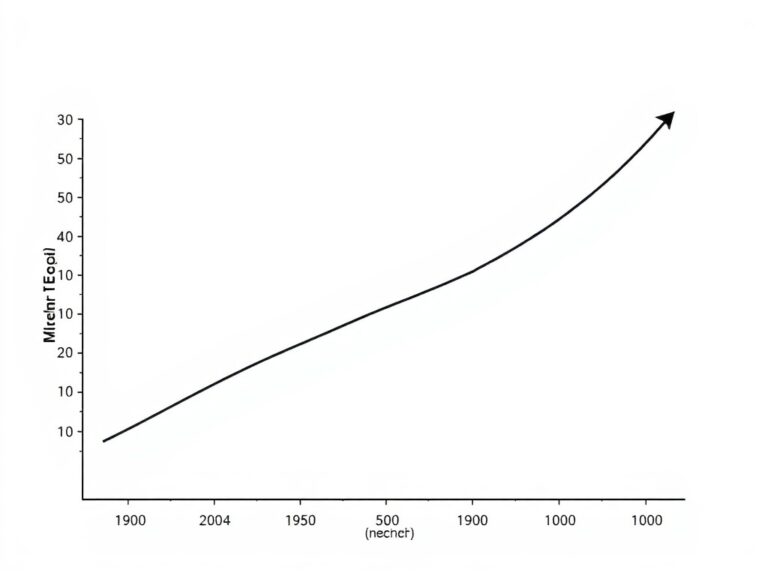
Many beginners feel intimidated by the stock market, thinking they need thousands of dollars to get started, but investing for beginners is actually about consistency rather than a large starting sum. You can start with as little as $5 or $10 through fractional shares, which allows you to own pieces of high-performing companies without breaking the bank. The real secret weapon for new investors is compound interest, the mathematical phenomenon where your earnings generate their own earnings over time. By starting early and contributing small, regular amounts, you give your money more time to grow exponentially through the power of market returns. Remember, the best time to plant a tree was twenty years ago, and the second best time is today. You don’t need to be a financial guru to build wealth; you just need to be disciplined enough to automate your contributions. Whether it is $50 a month or $500, the habit of investing is far more important than the initial amount. As you get more comfortable, you can increase your contributions, but the most crucial step is simply opening that first brokerage account. Keep your eyes on the long-term horizon rather than daily price fluctuations. Your future self will thank you for the financial freedom you are creating right now through these small, intentional steps. Start simple, stay consistent, and watch your portfolio grow over the coming years.
Demystifying Index Funds: The Smart Investor’s Toolkit
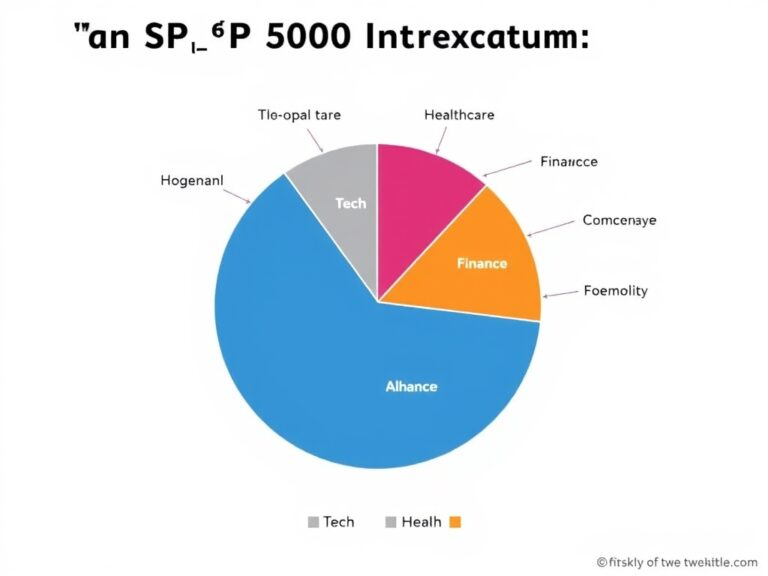
If you want to build wealth without spending hours researching individual stocks, best index funds are your absolute best friend. Think of an index fund as a curated basket of hundreds or thousands of stocks, giving you instant diversification across the entire market. Instead of betting on one company, you are betting on the long-term growth of the economy as a whole, which is a much safer strategy. Because they are passively managed, these funds have exceptionally low expense ratios, meaning you keep more of your hard-earned profits. Popular options include S&P 500 index funds, which track the 500 largest publicly traded companies in the United States. Diversification is essential because it shields your portfolio from the volatility of any single industry or business failure. You should look for funds offered by reputable firms like Vanguard, Fidelity, or Charles Schwab to ensure low costs. Here are a few key benefits of opting for these funds:
- Instant diversification across multiple sectors.
- Low management fees that increase your long-term returns.
- Simplified investing with a ‘set it and forget it’ approach.
- Historical data shows that most professional traders struggle to beat the market performance of these funds.
By choosing index funds, you avoid the common trap of trying to time the market, which is a losing game for most people.
Roth vs. Traditional IRA: Tax Efficiency Explained
Choosing where to park your money is just as important as choosing what to invest in, and understanding the difference between a Roth vs. Traditional IRA can save you thousands in taxes. A Traditional IRA offers an immediate tax break because your contributions are often tax-deductible in the year you make them, but you pay taxes when you withdraw the money in retirement. On the other hand, a Roth IRA uses ‘after-tax’ dollars, meaning you pay the taxes now, but your money grows entirely tax-free and you pay zero taxes when you withdraw it in retirement. Most young investors prefer the Roth IRA because their current tax bracket is likely lower than it will be later in their careers. However, it is a personal decision that depends on your specific income level, tax situation, and future financial goals. Both accounts have annual contribution limits set by the IRS, so make sure to check the current rules each year. Think of the Roth IRA as a gift to your future self, as you are essentially locking in today’s tax rates for your future wealth. By understanding these tax-advantaged accounts, you optimize your investment strategy significantly. It is not just about what you earn, but what you get to keep after Uncle Sam takes his cut. Consider speaking with a tax advisor if your situation is complex, but for most, a simple Roth IRA is a fantastic starting point for long-term growth.
Long vs. Short-Term Investing and Creating Passive Income
Finally, let’s talk about your investment philosophy: long vs. short-term investing and the allure of passive income. Short-term trading is often akin to gambling, involving high risks and constant stress, whereas long-term investing is about buying quality assets and holding them for decades. Passive income streams, such as high-dividend stocks or REITs (Real Estate Investment Trusts), allow your money to generate cash flow while you sleep. This is the cornerstone of financial independence, where your investments eventually cover your living expenses. You should aim to reinvest those dividends to accelerate your compounding growth even further. Long-term strategies allow you to ignore market noise and focus on fundamental growth, which is historically proven to be the most reliable way to build wealth. Patience is the hardest part of the process, but it is also the most rewarding. Always keep a portion of your portfolio in more conservative assets if you are risk-averse, but never be afraid of the growth that equity markets offer. Here is a quick checklist for your success:
- Automate your transfers every payday.
- Reinvest your dividends back into your index funds.
- Avoid checking your account balance every single day.
- Stay focused on your long-term ‘why’ to keep motivation high.
Success in the market is not about hitting a home run on one stock, but about hitting singles and doubles consistently for twenty or thirty years.