Investing for Beginners: Start Small, Best Index Funds, IRA Guide, Passive Income & Investment Horizons
Starting Your Wealth Journey
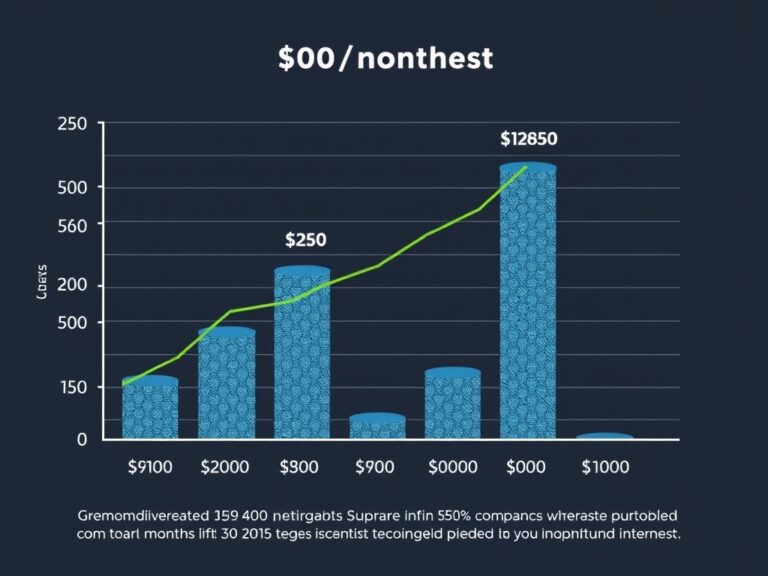
Welcome to your financial journey! Many people think you need a fortune to begin, but the truth is that starting small is the smartest move you can make. By putting away even $50 a month, you are activating the power of compound interest, which is essentially your money generating its own earnings over time. 🚀 Investing for beginners doesn’t have to be scary if you treat it as a marathon rather than a sprint. Think about it: every dollar you invest today is a seed for a future money tree. In this guide, we will explore how to build a portfolio that works for you while you sleep. You don’t need to be a Wall Street genius to understand the basics of wealth building. 💡 We will cover index funds, IRAs, and why your investment horizon is your greatest asset. It is all about consistency and patience, not timing the market perfectly. Let us dive into the world of smart investing and set you on the path to financial freedom. Remember, the best time to plant a tree was 20 years ago; the second best time is right now! Your journey toward wealth begins with a single, small step forward today.
The Power of Index Funds
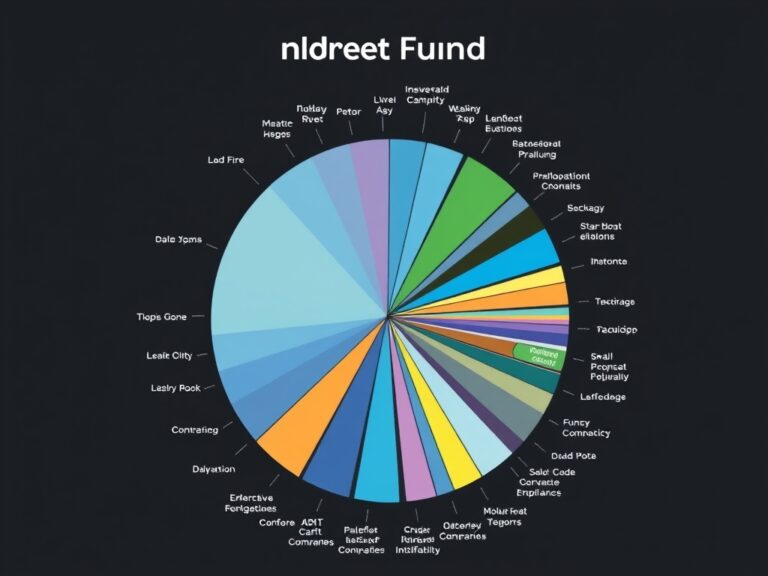
When it comes to picking assets, the best index funds are often the gold standard for beginners because they offer instant diversification. Instead of trying to pick the next winning stock, an index fund allows you to own a small piece of hundreds of different companies at once. This significantly lowers your risk because if one company fails, others in the fund can still perform well. 📈 Most experts recommend looking for funds that track the S&P 500 or the total stock market. You should pay close attention to the expense ratio, which is the fee the fund charges you every year to manage your money. 💸 Lower fees mean more money stays in your pocket to grow over the decades. These funds are designed for long-term growth and are extremely tax-efficient. By choosing these broad-based assets, you are betting on the growth of the entire economy rather than just a single business. It is the most passive way to build wealth without needing to check your brokerage account every single day. 📉 This strategy keeps your emotions out of the driver’s seat and lets the market do the heavy lifting for you.
- Vanguard S&P 500 ETF (VOO)
- Fidelity Total Market Index Fund (FSKAX)
- Schwab US Broad Market ETF (SCHB)
Using these tools, you can build a robust foundation for your financial future. Index funds essentially allow you to ‘buy the haystack’ instead of looking for the needle. Over time, these consistent gains compound into significant wealth.
Maximizing Tax Advantages with IRAs
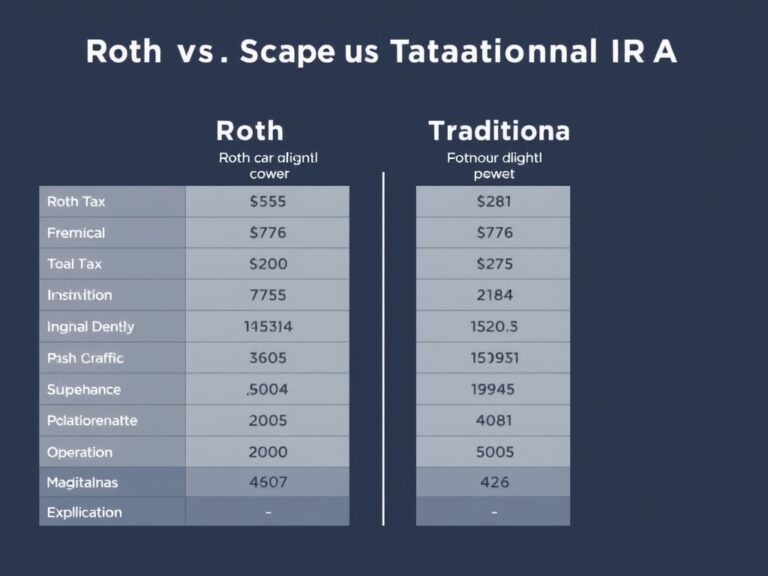
Understanding where to hold your investments is just as important as what you buy, which brings us to our IRA Guide. An Individual Retirement Account (IRA) is a tax-advantaged vehicle that can save you thousands of dollars in taxes over your lifetime. There are two main types you should know: the Roth IRA and the Traditional IRA. 🏦 With a Roth IRA, you contribute after-tax dollars, meaning your money grows tax-free and your withdrawals in retirement are also tax-free. 🥂 Conversely, a Traditional IRA may give you a tax deduction today, but you will pay taxes when you take the money out later. Choosing between them often depends on whether you think you will be in a higher tax bracket now or in the future. It is crucial to open one of these accounts early to maximize the benefits of tax-free compounding. 🛡️ Think of your IRA as a protective shell that keeps the taxman away from your growing nest egg. By automating your contributions to these accounts, you ensure that your future self is well-taken care of without having to think about it.
- Roth IRA: Best for younger investors expecting higher future income.
- Traditional IRA: Best for those looking to lower current taxes.
Don’t forget that many brokerages allow you to set up recurring transfers directly from your paycheck. Taking advantage of these tax-advantaged accounts is one of the most effective strategies for long-term wealth. This setup ensures that your retirement years are filled with comfort rather than financial stress.
Understanding Horizons and Passive Income
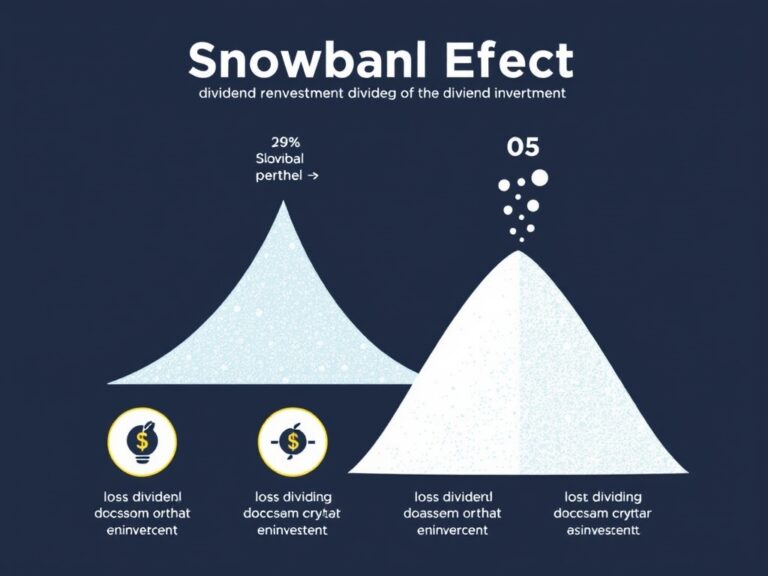
Finally, let us discuss investment horizons and the magic of passive income. Your investment horizon is simply the length of time you plan to hold an investment before needing the money back. ⏳ For most beginners, a long-term horizon of 10, 20, or even 30 years is the most effective way to weather market volatility. When you have a long runway, short-term market crashes become mere blips on a radar rather than catastrophes. This long-term focus also facilitates the creation of passive income through dividend-paying stocks and REITs. 💵 Dividends are small payments companies make to shareholders just for owning their stock. By setting up a Dividend Reinvestment Plan (DRIP), those payments automatically buy more shares, creating a snowball effect of wealth. ❄️ As your portfolio grows, the income it generates can eventually cover your living expenses, leading to true financial independence.
- Long Horizon: Reduces the impact of daily price swings.
- Passive Income: Cash flow generated with minimal daily effort.
- Reinvestment: The key to exponential portfolio growth.
🔓 Always remember that the goal is to buy time, not just things, and a disciplined approach to your horizon will get you there. Stay the course, keep adding to your positions, and let time work its magic on your behalf. Investing is not about being lucky; it is about being disciplined over long periods. Your future self will thank you for the consistency you show today. Financial freedom is not a destination but a result of these steady, small habits.