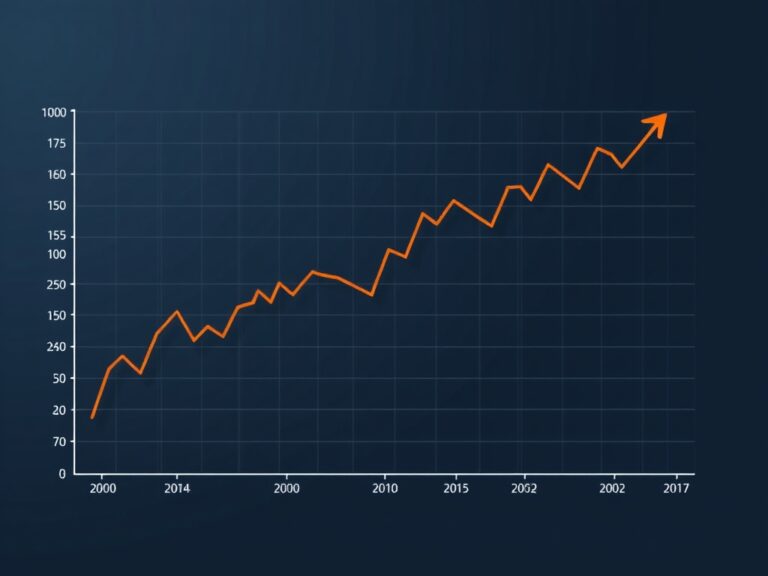
Investing 101: Start Small, Best Index Funds, Roth vs Traditional IRA, Passive Income & Long vs Short Term Strategies
Step 1: Embracing the Basics and Starting Small
Welcome to the exciting world of Investing 101, where the journey to financial freedom begins with a single, small step. Many people believe they need thousands of dollars to enter the market, but the truth is that you can start small with as little as $5 or $10 thanks to modern fractional shares. 🚀 Starting early is far more important than starting with a large sum because of the incredible power of time. When you invest consistently, you benefit from dollar-cost averaging, a strategy where you buy more shares when prices are low and fewer when they are high. This approach reduces the stress of trying to ‘time the market’ and helps you build a disciplined habit. Think of your portfolio as a garden; you don’t need a forest today, just a few seeds and the patience to let them grow. 🌱 Modern apps have made it easier than ever to automate your contributions, ensuring that your wealth grows in the background of your life. By prioritizing your future self now, you are setting the foundation for long-term security. Remember, the best time to start was yesterday, but the second best time is today. Don’t let the fear of complexity hold you back from your true wealth potential. 📈 Learning the basics now will pay dividends—literally and figuratively—for decades to come. Let’s dive into how you can make your money work harder than you do.
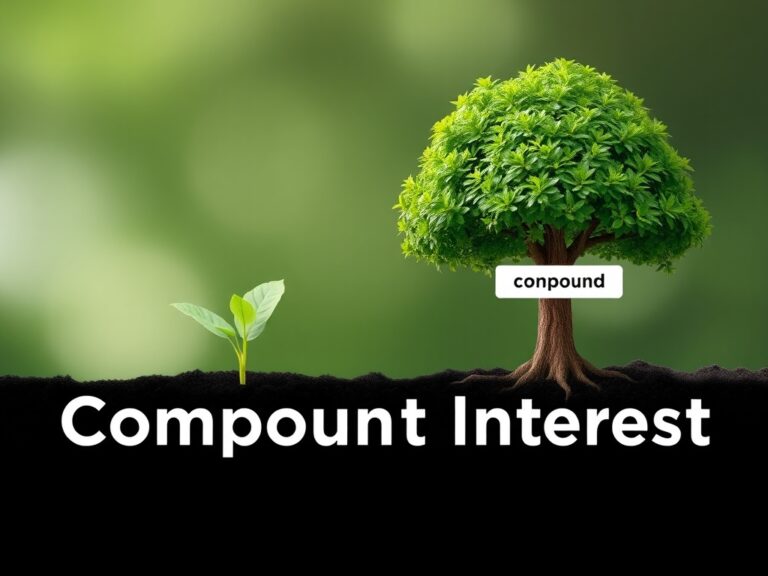
The Power of Simplicity: Best Index Funds
Once you’ve decided to start, the next big question is: where do I put my money? For most beginners, the best index funds represent the gold standard of entry-level investing. An index fund is essentially a basket of stocks that tracks a specific market segment, like the S&P 500, providing instant diversification. 🏢 Why are they so popular among experts? They offer broad market exposure and eliminate the risk of picking a single failing company. First, low fees are a primary benefit, as index funds typically have much lower expense ratios than actively managed funds. Second, consistency is key; over long periods, index funds frequently outperform the majority of professional stock pickers. Third, simplicity allows you to own a piece of the entire economy without reading complex balance sheets. 📊 This ‘set it and forget it’ mentality is the secret weapon of successful passive investors. Instead of chasing the ‘next big thing,’ you are capturing the overall growth of the market. Most millionaires aren’t day traders; they are consistent index fund buyers who understand the value of steady growth. By choosing funds from reputable providers like Vanguard or Fidelity, you ensure your costs remain low. This strategy is the ultimate way to build wealth while keeping your stress levels at zero. 🧘♂️ With index funds, you aren’t just betting on a single horse; you are betting on the track itself.
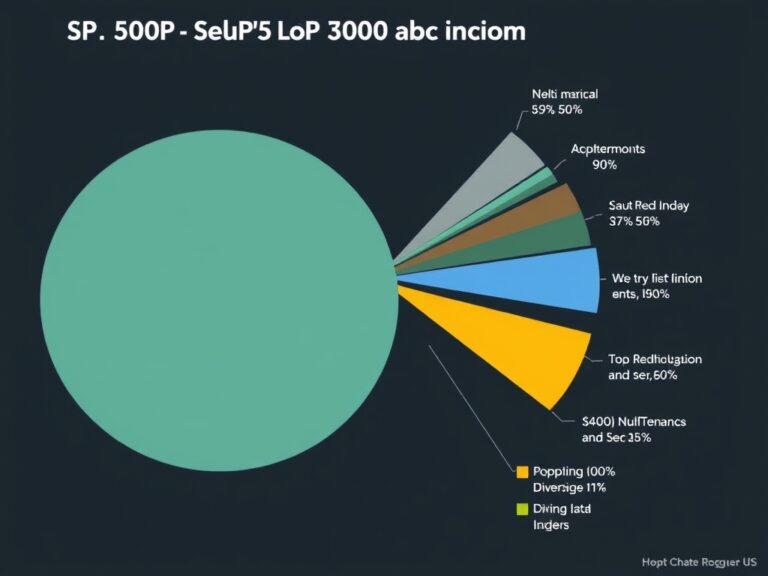
Choosing Your Tax Advantage: Roth vs Traditional IRA
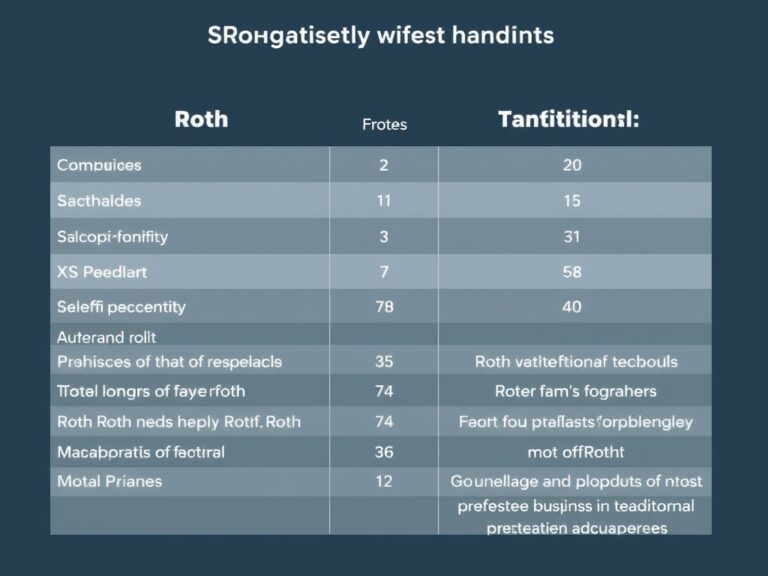
Choosing the right vehicle for your investments is just as important as the investments themselves, which brings us to the great debate: Roth vs Traditional IRA. Both are individual retirement accounts that offer significant tax advantages, but they work in opposite ways. A Traditional IRA allows you to contribute ‘pre-tax’ dollars, meaning you can deduct the contribution from your current income and pay taxes later when you withdraw. 🏦 Conversely, a Roth IRA uses ‘after-tax’ dollars; you pay taxes now, but your money grows entirely tax-free for the rest of your life! 💸 Deciding between them often comes down to one question: do you think your tax rate will be higher now or when you retire?
- Roth IRA: Best if you expect to be in a higher tax bracket later or want tax-free growth.
- Traditional IRA: Best if you need a tax break today to lower your taxable income.
- Flexibility: Roth IRAs also allow you to withdraw your contributions at any time without penalty.
Most financial experts suggest that younger investors lean toward the Roth IRA because of the decades of tax-free compounding ahead of them. Imagine having a million-dollar nest egg and not owing the IRS a single cent when you decide to spend it! 🏖️ However, both accounts are excellent tools for building long-term wealth. The key is to understand your current financial situation and pick the path that maximizes your take-home pay over your lifetime. No matter which you choose, the tax-advantaged status of these accounts is a massive boost to your total net worth.
Building Wealth While You Sleep: Passive Income
The ultimate goal for many is to generate passive income, which is money earned with minimal ongoing effort. This is where your investment strategy shifts from just ‘saving’ to ‘wealth building’ at a much higher level. By focusing on assets that pay you to hold them, such as dividend-paying stocks or REITs, you create a secondary stream of cash flow. 🌊 Dividend investing involves buying shares of established companies that distribute a portion of their earnings back to shareholders regularly. 💎 When you reinvest those dividends, you accelerate the ‘snowball effect,’ where your money starts making its own money.
- Reinvestment: Using dividends to buy more shares increases your future dividend payments.
- Compounding: The process where the returns on your investments start to generate their own returns.
- Stability: Dividend-paying companies are often more stable and mature, providing a financial cushion.
Passive income provides the ultimate form of financial freedom because it decouples your time from your earnings. 🕰️ Imagine waking up to find that your portfolio earned enough in dividends to cover your monthly groceries! While it takes time to build a portfolio large enough to live off of, every dollar of passive income is a step toward independence. Focus on high-quality assets with a history of increasing their payouts over time. This approach requires patience, but the psychological reward of seeing cash land in your account is unmatched. It transforms investing from an abstract concept into a tangible, monthly benefit.
The Winning Mindset: Long vs Short Term Strategies
Finally, it is crucial to distinguish between long vs short term strategies to ensure your actions align with your ultimate goals. Short-term strategy, often referred to as trading, focuses on capturing price movements over days or weeks, but it is notoriously difficult and risky. 📉 On the other hand, a long-term strategy involves holding assets for years or even decades, allowing the market’s upward trajectory to work in your favor. Time in the market is almost always superior to timing the market in terms of total success. When you look at the stock market over 20-year periods, the probability of a positive return is historically very high. 🏔️
- Volatility: Short-term fluctuations are normal; don’t let a bad week ruin your decades-long plan.
- Risk Tolerance: Only invest money in the stock market that you don’t need for at least five years.
- Mental Health: Long-term investing is ‘boring’ in a good way, allowing you to focus on your life.
Successful investors develop a plan and stick to it, regardless of whether the headlines are screaming or quiet. 📰 Emotional discipline is perhaps the most important skill you can learn in Investing 101. If you treat the market like a casino, you’ll likely lose, but if you treat it like a long-term vehicle, you’ll likely win. Keep your eyes on the horizon, continue to start small, and trust the process of compounding growth. Your future self will thank you for the discipline and foresight you are showing today. 🌟