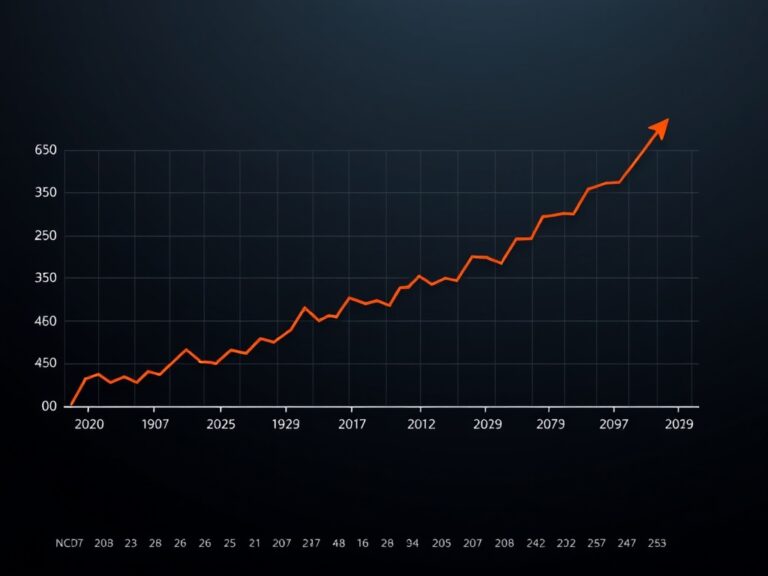
Beginner’s Guide to Investing: Start with Little Money, Best Index Funds, Roth vs Traditional IRA, Passive Income & Long-Term Strategy
Welcome to the exciting journey of building wealth! Starting with little money is one of the best ways to learn the ropes without high stakes. Many beginners feel paralyzed because they assume they need a massive windfall to enter the market. Thankfully, micro-investing apps have revolutionized the landscape, allowing you to invest spare change or just five dollars. The magic behind this approach is compound interest, which acts as a multiplier for your wealth over time.
- Consistency is the secret sauce to long-term success.
- Small monthly contributions add up to significant sums.
- Starting early is more impactful than starting with a large amount later.
You don’t need to be a financial genius to see your portfolio grow. By automating your investments, you remove the emotional burden of deciding when to buy. Every dollar you put aside today is a seed that will grow into a financial tree. Remember, the best time to plant a tree was twenty years ago, but the second best time is today. Financial freedom isn’t about how much you make, but how much you keep and grow. Let’s dive deeper into where exactly you should put those first few dollars for maximum impact. This guide will walk you through the essential steps to turn your small savings into a fortune.
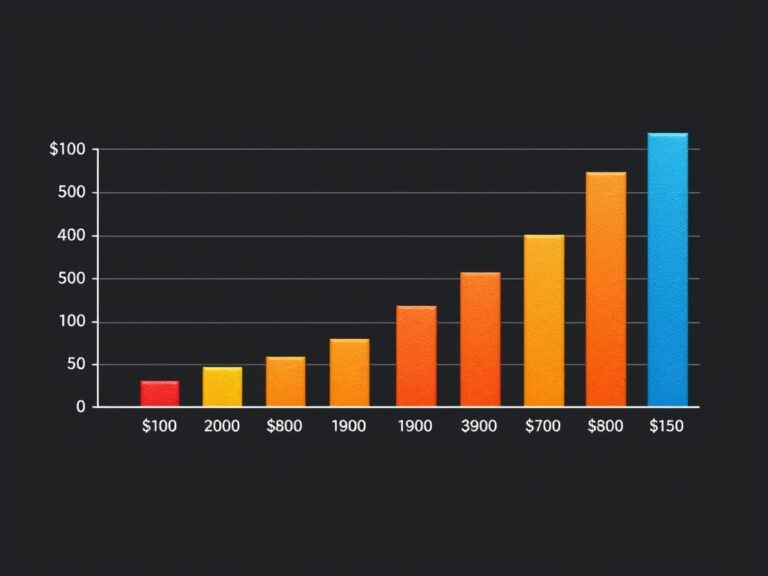
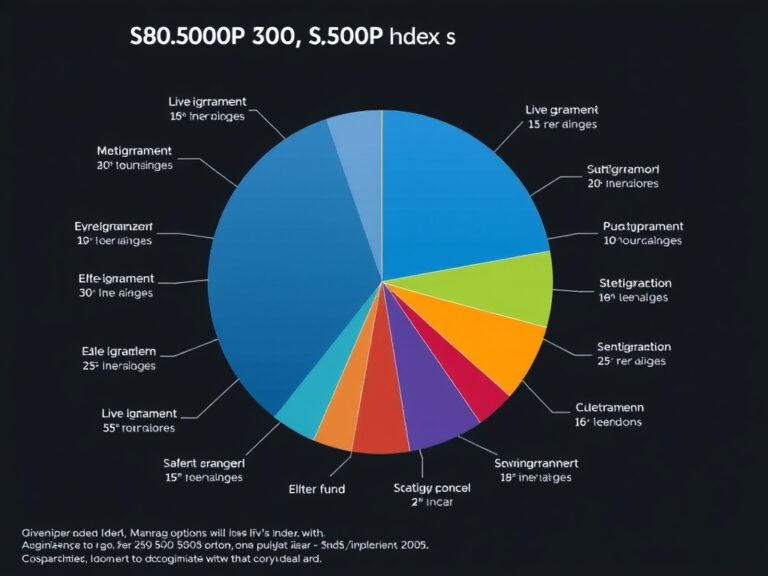
If you want a stress-free experience, the best index funds are your absolute best friend. An index fund is a basket of stocks that mirrors a specific part of the market, like the top 500 companies in the US. Instead of betting on one single company, you are betting on the entire economy’s growth. This inherent diversification protects you from the total failure of any single business.
- Index funds typically have lower fees than actively managed funds.
- They consistently outperform most professional stock pickers over time.
- You gain exposure to multiple industries with a single purchase.
Low expense ratios ensure that more of your hard-earned money stays in your account. This is the foundation of passive income because the companies within the fund do the work for you. You simply hold the fund and watch as dividends are paid out and reinvested. It’s the ultimate “set it and forget it” strategy for anyone with a busy lifestyle. Many successful investors never buy a single individual stock and retire as millionaires using index funds alone. It’s about working smarter, not harder, with your investment capital. This approach allows you to capture market returns without the stress of daily price watching. By choosing broad-market funds, you are positioning yourself for steady, long-term wealth accumulation.
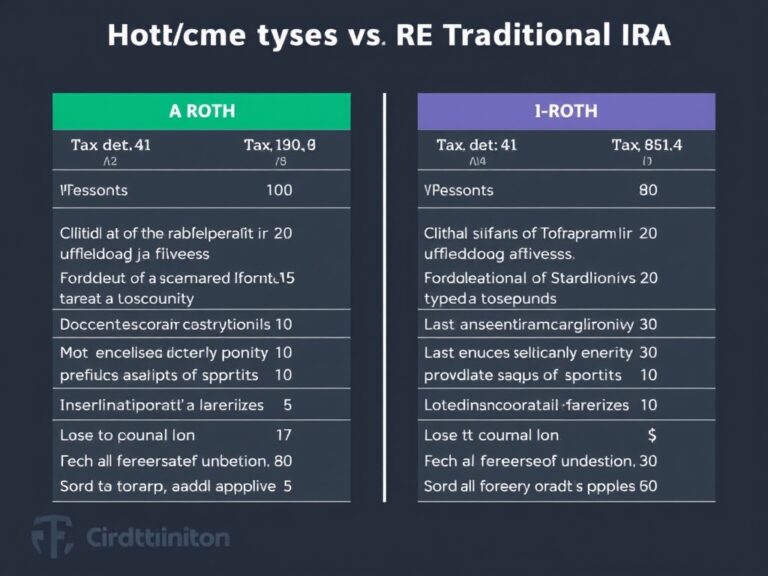
One of the most common questions is whether to choose a Roth vs Traditional IRA for retirement savings. A Traditional IRA allows you to deduct your contributions from your taxes today, which lowers your current taxable income. However, you will have to pay income tax on that money when you withdraw it in your golden years. On the flip side, a Roth IRA uses money you’ve already paid taxes on, but it offers a massive benefit. Your investments grow completely tax-free, and you won’t owe the government a penny when you take the money out later.
- Choose a Roth IRA if you believe your tax rate will be higher in the future.
- Opt for a Traditional IRA if you need a tax break right now to help with cash flow.
- Both accounts offer a way to shield your growth from standard capital gains taxes.
Most experts suggest that younger investors lean toward the Roth option because of the decades of tax-free compounding. Think of it as paying the tax on the seeds rather than the entire harvest. Understanding these tax advantages is key to maximizing your net worth over the long haul. It’s not just about what you earn; it’s about what you get to keep after Uncle Sam takes his cut. Both vehicles are essential tools in your long-term strategy for financial independence. You can even open these accounts at the same firms that offer low-cost index funds. Making this choice early in your career can result in hundreds of thousands of dollars in tax savings.
Finally, let’s talk about your long-term strategy and the psychological game of investing. Successful investors use a technique called dollar-cost averaging to navigate market ups and downs. This means you invest the same amount every month, regardless of whether the news is good or bad. When the market is down, your fixed contribution buys more shares at a “discounted” price. Over time, this lowers your average cost per share and builds a robust portfolio.
- Avoid the temptation to check your account balance every single day.
- Stay focused on your goals that are 10, 20, or even 30 years away.
- Emotions like fear and greed are the biggest enemies of the retail investor.
The market will fluctuate, but historical data shows a clear upward trend over the decades. Treat your investments like a garden that needs time to grow without being constantly dug up to check the roots. Your discipline during a market crash is often what determines your eventual wealth. Passive income is the reward for those who remain patient and consistent. By sticking to your plan, you ensure that you aren’t making impulsive decisions based on temporary headlines. Your future self is counting on the decisions you make with your money today. Keep your eyes on the prize and continue educating yourself as you grow.