
Beginner’s Guide to Investing: Start Small, Best Index Funds, Roth vs Traditional IRA, Passive Income & Long-Term Wealth
Start Your Journey: Why Investing Small Matters
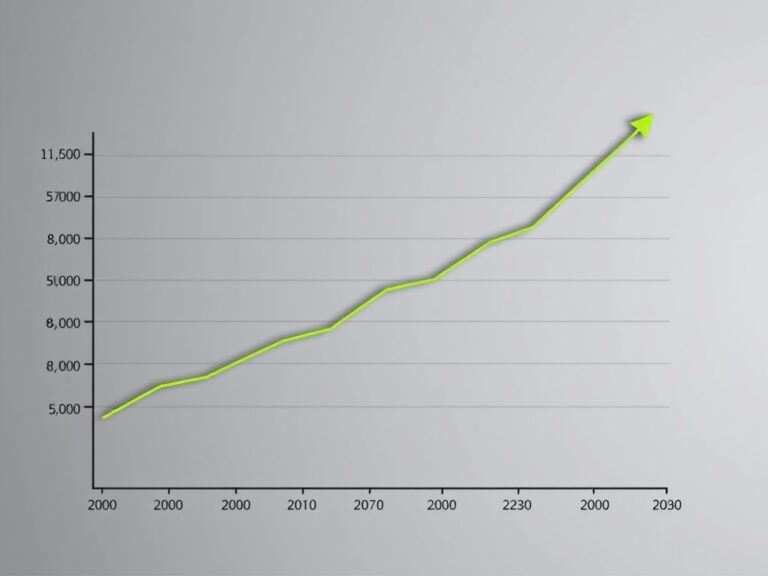
Stepping into the world of investing can feel like standing at the base of a massive mountain, but the secret to long-term wealth is actually quite simple: just start! You don’t need a fortune to begin; even small, consistent contributions can grow exponentially thanks to the magic of compound interest. Think of your early investments as seeds that, with time and patience, transform into a thriving financial forest. Many beginners fall into the trap of waiting for the ‘perfect time’ or a large windfall, but market timing is a myth even for the pros. Instead, focus on dollar-cost averaging, which means investing a set amount regularly regardless of market fluctuations. By automating your savings, you remove the emotional stress of trading and build a resilient habit. Remember, time in the market beats timing the market every single time. Whether you have $50 or $500, that capital is your best friend on the road to financial freedom. Start today, stay consistent, and watch your net worth climb steadily over the years. Your future self will certainly thank you for taking this bold first step toward independence.
Choosing Your Vehicle: The Power of Index Funds
Once you are ready to invest, the question becomes: where do I put my money? For most beginners, Index Funds are the gold standard because they offer instant diversification at a very low cost. An index fund tracks a specific market segment, like the S&P 500, essentially buying you a tiny slice of hundreds of top-performing companies.
- Low Fees: Index funds usually have much lower expense ratios than actively managed funds.
- Instant Diversification: Spreading your risk across many industries protects you from a single company’s failure.
- Passive Management: No need to study stock charts; the market does the heavy lifting for you.
By choosing a total stock market index fund, you are betting on the growth of the economy as a whole rather than picking winners and losers. This approach is the cornerstone of passive investing and has historically outperformed most individual stock pickers. It is a set-it-and-forget-it strategy that allows you to focus on your career and life while your wealth builds in the background. Keep your portfolio simple and lean, avoiding the temptation to over-complicate your holdings with obscure sector bets or trendy high-risk stocks.
Tax-Advantaged Accounts: Roth vs. Traditional IRA
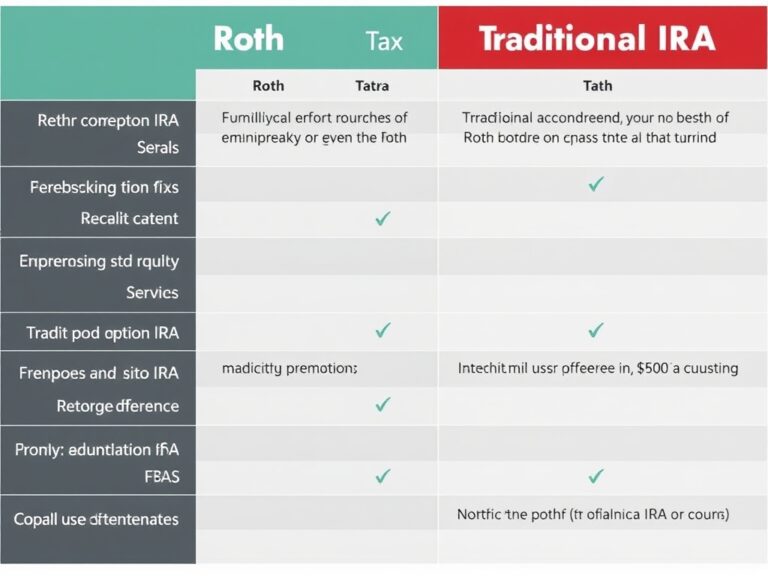
Understanding where to hold your investments is just as important as knowing what to buy, which brings us to the debate: Roth vs. Traditional IRA. Both are powerful tools, but they work on different tax timelines designed to suit different financial situations. A Traditional IRA allows you to make contributions with pre-tax dollars, which lowers your taxable income today, though you pay taxes when you withdraw in retirement. In contrast, a Roth IRA uses after-tax dollars, meaning you pay the taxes now but enjoy tax-free growth and withdrawals later in life. Why does this matter? If you believe your tax bracket will be higher in retirement, the Roth IRA is often the superior choice because it locks in today’s tax rate. Conversely, if you are currently in a very high tax bracket, the immediate deduction of a Traditional IRA might offer more value. You can also utilize employer-sponsored 401(k) plans, especially if there is a company match, which is essentially free money. Mixing these accounts strategically can help you minimize your lifetime tax bill and maximize your eventual retirement nest egg.
Building Passive Income and Long-Term Wealth
The ultimate goal of investing is to create passive income streams that provide security and flexibility long after you stop punching a clock. By consistently buying index funds and utilizing tax-advantaged accounts, you are essentially purchasing ‘financial employees’ that work for you 24/7. As your dividend payouts and capital gains reinvest, the momentum shifts in your favor, turning a snowball of savings into a massive avalanche of wealth.
- Focus on long-term growth rather than short-term gains.
- Reinvest all dividends to accelerate the compounding process.
- Keep your lifestyle inflation in check to boost your saving rate.
Building wealth isn’t a get-rich-quick scheme; it’s a disciplined marathon that requires patience, consistency, and a clear vision of your financial goals. Eventually, the income generated from your investments could cover your basic living expenses, granting you true freedom of time. Whether you dream of early retirement, traveling, or supporting your family, the roadmap remains the same: spend less than you earn, invest the difference in low-cost index funds, and stay the course. You have all the tools you need to build the life you want, so start small, stay smart, and enjoy the journey to long-term prosperity.