
Beginner’s Guide to Investing: Start Small, Best Index Funds, Roth vs Traditional IRA, Passive Income & Long/Short-Term Strategy
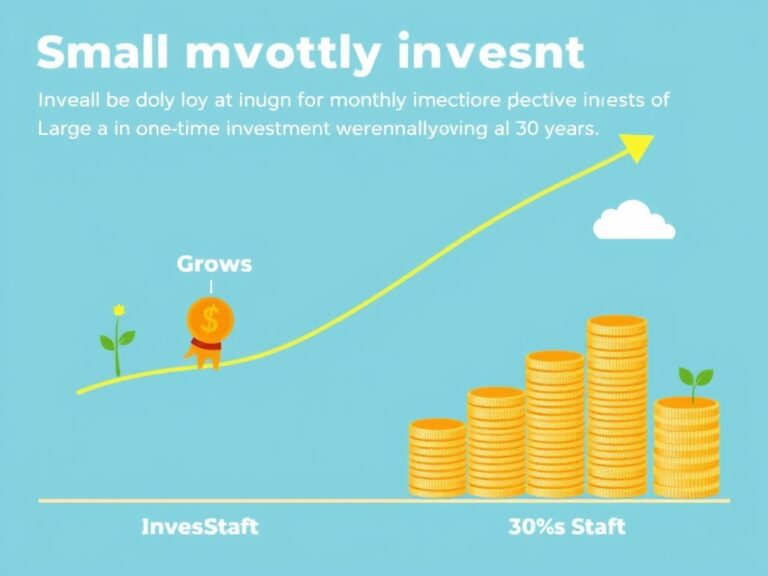
Welcome to your journey toward financial freedom, where we’ll demystify the beginner’s guide to investing together! One of the biggest misconceptions is that you need a fortune to get started, but the truth is you can start small with as little as $5. Modern technology allows for fractional shares, meaning you can own a piece of your favorite tech giants without buying a full share. By starting today, you allow the magic of compound interest to work in your favor over the coming decades. Consistency is far more important than the initial amount you contribute to your brokerage account. Think of your early investments as seeds that will eventually grow into a massive financial forest. You should focus on building a habit of monthly contributions to ensure long-term success. Don’t let the fear of ‘not having enough’ keep you on the sidelines while others grow their wealth. Even if it’s just the cost of a few coffees a week, that capital can change your life. We are living in an era where the barriers to entry have completely vanished for the average person. This approach minimizes risk while maximizing the time your money spends in the market. Let’s break down the barriers and get your money working as hard as you do!
Once you’ve decided to start, the next question is always: where do I put my money for the best results? For most people, the answer lies in the best index funds, which offer a diversified slice of the entire stock market. Instead of trying to find the next ‘unicorn’ stock, you are buying a basket of hundreds of successful companies. This strategy significantly lowers your risk because you aren’t dependent on the performance of a single CEO. Here are some key benefits of using index funds for your portfolio:
- Low Fees: Most index funds have extremely low expense ratios compared to active funds.
- Diversification: Instant exposure to various sectors like tech, healthcare, and energy.
- Performance: Historically, index funds outperform the majority of actively managed funds over time.
By choosing funds that track the S&P 500, you are essentially betting on the long-term growth of the economy. It is a passive income strategy that requires very little maintenance once set up. You can automate your purchases so that you are buying more shares when prices are low. This concept is known as dollar-cost averaging, and it’s a favorite among expert investors. Why stress over daily stock charts when you can own the whole market and relax? Index funds provide the foundation upon which your entire financial future can securely sit.
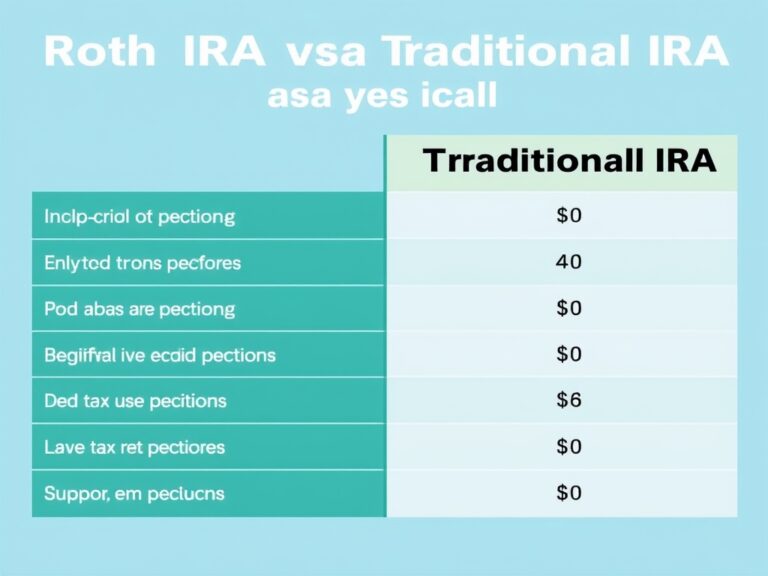
Now let’s dive into the tax-advantaged accounts that can save you thousands: the Roth vs Traditional IRA. Choosing between these two is one of the most important decisions you will make in your early investing years. A Roth IRA is funded with after-tax dollars, which means your money grows tax-free and withdrawals are tax-free in retirement. Conversely, a Traditional IRA typically gives you a tax deduction today, but you’ll pay taxes on that money later. Which one is better? If you’re currently in a lower tax bracket than you expect to be in retirement, the Roth is usually the winner. However, if you need the immediate tax relief to invest more right now, the Traditional might be the right path. Both accounts have annual contribution limits that you should aim to ‘max out’ whenever possible. It’s also important to note that Roth IRAs allow you to withdraw your contributions at any time without penalty. This flexibility makes the Roth a very attractive option for young investors who might need a backup emergency fund. Understanding the nuances of these accounts will put you miles ahead of the average investor. Regardless of which you choose, the key is to utilize these government-sponsored ‘buckets’ to protect your gains.
To truly succeed, you must distinguish between your long-term strategy and your short-term financial needs. A long-term strategy is focused on building wealth for retirement or passive income over the next 20 to 30 years. Short-term strategies are for things like a house down payment or a new car within the next few years. You should never invest money in the stock market that you will need within the next three to five years. Market volatility is normal in the short term, but the long-term trend of the market has historically been upward. To manage this effectively, follow these simple steps:
- Build an emergency fund of 3-6 months of expenses first.
- Invest for the long term in your IRA or 401k next.
- Use high-yield savings accounts for your short-term goals.
By separating these buckets, you won’t be forced to sell your stocks during a market downturn. Emotional discipline is the most underrated skill in the world of personal finance. Stick to your plan through the highs and the lows to reap the rewards of compounding. Your future self will thank you for the patience and persistence you show today. Wealth isn’t built overnight; it’s built through thousands of small, smart decisions made over time. Now that you have the roadmap, it’s time to take action and secure your financial legacy!