
Beginner’s Guide: Start Investing with Little Money, Best Index Funds, Roth vs. Traditional IRA, Passive Income & Long-Term Strategies
Welcome to the world of financial freedom, where the biggest myth is that you need a mountain of cash to begin your journey. 🪙 In today’s digital age, starting small is not just possible; it is the smartest way to build a foundation for your future wealth. You can literally start with the spare change from your morning coffee thanks to fractional shares and micro-investing platforms that have leveled the playing field. The goal here is to establish a habit of consistency rather than waiting for a windfall that might never come your way. 🚀 When you invest with little money, you are actually buying time, which is your most valuable asset in the volatile market. Compound interest works best when it has decades to grow, so don’t let a small bank balance hold you back from your dreams. Think of every dollar as a little soldier working tirelessly to bring more dollars back to your pocket. 🛡️ By automating your contributions, you ensure that you are consistently building wealth without even having to think about it. Many beginners worry about market timing, but the truth is that ‘time in the market’ beats ‘timing the market’ every single time. Start by setting aside just $10 or $20 a week and watch how quickly that momentum builds into something truly substantial. It is about shifting your mindset from a consumer to an owner, one small step at a time. It’s about making your money work for you, rather than you working for your money.

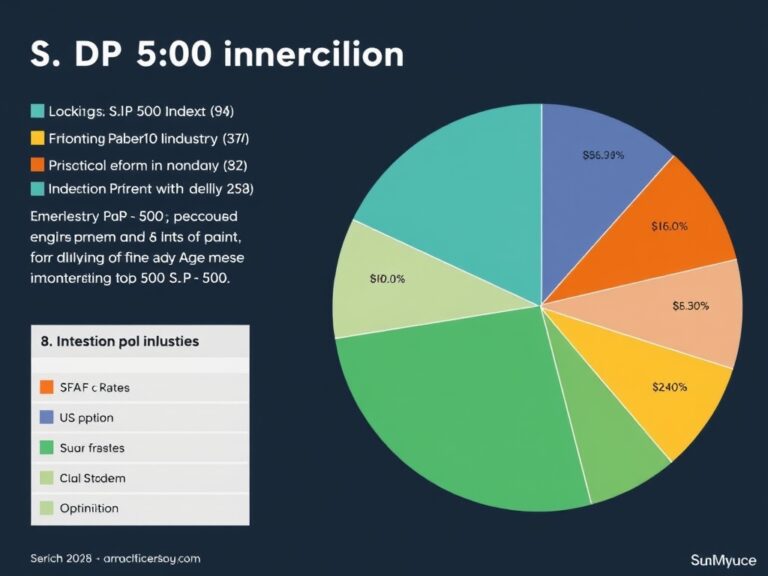
Now that you’ve started, you might wonder where to put your money, and that is where the Best Index Funds come into play as the ultimate beginner’s tool. 📊 An index fund is essentially a basket of stocks that tracks a specific market segment, like the S&P 500, providing instant diversification to your portfolio. Instead of trying to pick the next ‘winning’ stock, you are buying a tiny piece of the top 500 companies in the U.S. simultaneously. 🌍 This strategy is highly recommended by experts like Warren Buffett because it offers lower fees and less risk than individual stock picking. 📉 Low expense ratios mean more of your money stays in your account rather than going to fund managers who often underperform. Here are some key reasons why index funds are a powerhouse for your portfolio:
- Instant Diversification: You spread your risk across many sectors automatically.
- Low Costs: Passive management keeps fees extremely low compared to active funds.
- Consistent Growth: Historically, the broad market has trended upward over the long term.
By choosing broad-market index funds, you are betting on the growth of the entire economy rather than a single company’s success. This approach turns investing into a passive income machine that requires very little maintenance on your part. You don’t need to be a financial wizard to see great returns; you just need to be patient and keep adding to your basket. It is the most effective way to capture market returns while keeping your stress levels low.
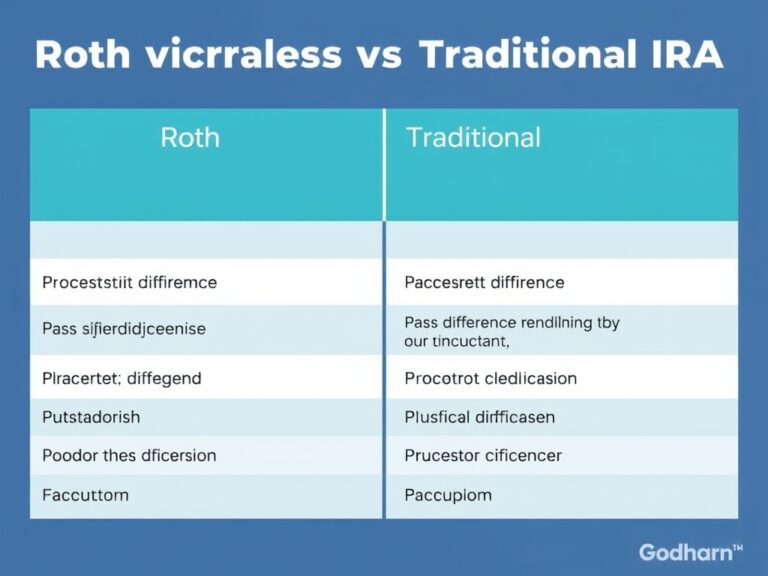
Understanding where to hold your investments is just as important as what you buy, which brings us to the great Roth vs. Traditional IRA debate. ⚖️ These are tax-advantaged accounts designed specifically for retirement, but they handle your taxes in opposite ways to help you maximize your savings. With a Traditional IRA, your contributions are often tax-deductible now, meaning you save on taxes this year, but you’ll pay taxes on the money when you withdraw it later. 👴 On the flip side, a Roth IRA uses after-tax dollars, meaning you pay taxes now, but your money grows 100% tax-free, and your withdrawals in retirement are also tax-free. 🆓 For most beginners who expect to be in a higher tax bracket later in life, the Roth IRA is a clear winner because of that tax-free growth potential. 📈 Choosing the right account depends on your current income levels and your long-term financial goals.
- Traditional IRA: Best for those needing an immediate tax break.
- Roth IRA: Best for long-term growth and tax-free retirement income.
Remember that both accounts have annual contribution limits, so it is wise to maximize them whenever possible to take full advantage of the government’s ‘gift.’ 🎁 Deciding between the two can feel daunting, but the most important thing is simply having one open and active. Don’t let analysis paralysis stop you from capturing these massive tax benefits that can add hundreds of thousands to your net worth over time. 💰 Consult with a professional if you’re unsure, but usually, starting with a Roth is a fantastic hedge against future tax hikes.
Finally, let’s talk about the Long-Term Strategies that turn a small portfolio into a wealth-generating machine through passive income. 🧘 The secret sauce is Dividend Reinvestment Plans (DRIP), where the dividends your stocks pay out are automatically used to buy more shares. Over time, this creates a snowball effect where you own more shares, which pay more dividends, which buy even more shares! ❄️ This is the essence of building a portfolio that eventually pays for your lifestyle without you having to lift a single finger. To succeed, you must remain disciplined during market downturns, viewing them as ‘sales’ rather than reasons to panic. 📉 Consistency is the hallmark of every successful investor, so keep your long-term perspective front and center at all times. 🔭 Avoid the noise of daily financial news and focus on your personal ‘why’ for investing in the first place. Whether it’s early retirement, buying a home, or leaving a legacy, your strategy should remain steady regardless of market volatility. 🏠 By combining low-cost index funds with tax-advantaged accounts, you are following a proven blueprint for financial independence. 🏆 Keep your expenses low, your savings rate high, and let the power of time do the heavy lifting for you. You are not just saving money; you are buying your future freedom, one share at a time. Remember, the best time to start was yesterday, but the second best time is right now.