
Beginner Investing: Start Small, Best Index Funds, Roth vs Traditional IRA, Passive Income & Long-Term Strategies
Mastering the Art of Beginner Investing: Start Small and Build Big
Welcome to your journey toward financial freedom, where beginner investing isn’t just for Wall Street experts but for anyone ready to grow their wealth. The secret isn’t starting with millions; it is about the power of consistency and the magic of compound interest working in your favor. When you choose to start small, you reduce the psychological pressure of market volatility and allow your habits to solidify over time. Think of your initial investment as a seed that, when nurtured with patience, eventually turns into a towering oak tree of passive income.
- Start with as little as $50 per month.
- Automate your contributions to remove emotional decision-making.
- Focus on your ‘why’ to stay motivated during market dips.
By prioritizing discipline over timing, you transform the intimidating world of stocks into a manageable, long-term wealth-building machine. Remember, every professional investor started exactly where you are today: with one simple, brave decision to put their money to work. Your future self will thank you for the small sacrifices you make in your budget right now to fund these accounts.

Decoding the Best Index Funds for Passive Growth
When you are just starting, picking individual stocks can feel like trying to find a needle in a haystack, which is why best index funds are the gold standard for most retail investors. An index fund essentially buys a tiny slice of the entire market, providing you with instant diversification without the need to research every company yourself. By holding a broad market index fund, you mitigate the risk of a single company failing and dragging down your entire portfolio. These funds are famous for their low expense ratios, meaning more of your hard-earned money stays in your pocket rather than going toward management fees.
- Look for S&P 500 funds with low expense ratios.
- Consider Total Stock Market index funds for maximum exposure.
- Prioritize low turnover rates to minimize capital gains tax drag.
Because these funds mirror the market’s performance, you are virtually guaranteed to experience the long-term upward trajectory of the economy. It is the definition of a passive income strategy—set it, forget it, and let the market do the heavy lifting for your long-term success.
Roth vs Traditional IRA: Choosing Your Tax Advantage
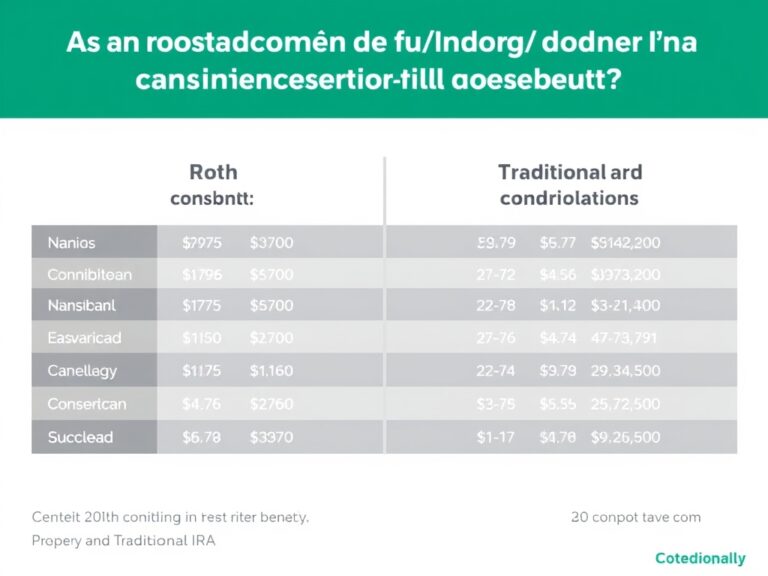
Navigating the world of retirement accounts often feels like alphabet soup, but understanding the difference between a Roth vs Traditional IRA is a vital step in your financial literacy. A Roth IRA is often the favorite for beginners because you contribute money that has already been taxed, allowing your investments to grow completely tax-free for the rest of your life. In contrast, a Traditional IRA allows you to deduct your contributions from your current taxable income, providing an immediate tax break, though you will pay income taxes upon withdrawal in retirement. Choosing the right one depends heavily on whether you expect to be in a higher or lower tax bracket in the future.
- Choose Roth if you are currently in a lower tax bracket.
- Choose Traditional if you want to lower your current taxable income immediately.
- Always maximize your contributions whenever possible to secure your future.
Ultimately, both accounts are incredibly powerful tools for long-term strategies, acting as protective shields for your investment returns. Regardless of the one you pick, the most important rule is to simply open the account and start funding it today so you can begin capitalizing on tax-advantaged growth immediately.
Long-Term Strategies for Sustainable Passive Income
Building a robust portfolio is a marathon, not a sprint, and your long-term strategies should reflect a commitment to a decade-plus timeline. The cornerstone of successful investing is the Buy and Hold philosophy, which ignores short-term market noise in favor of consistent, long-term economic gains. By reinvesting your dividends and consistently adding to your index funds, you accelerate the rate at which your portfolio generates its own internal momentum. Diversification is your best friend here, ensuring that even if one sector is down, another may be flourishing to keep your wealth moving in the right direction.
- Automate your monthly budget to prioritize investments first.
- Rebalance your portfolio once a year to maintain your risk tolerance.
- Avoid checking your balance daily to keep your long-term vision clear.
As you master these basics, you will find that passive income becomes a natural byproduct of your financial health rather than a distant dream. Keep your eyes on the horizon, stay humble, and continue learning as your capital grows in tandem with your newfound expertise in the markets.