Beginner Investing Guide: Start Small, Top Index Funds, Roth vs Traditional IRA, Passive Income & Long vs Short Term Strategies
The Power of Starting Small
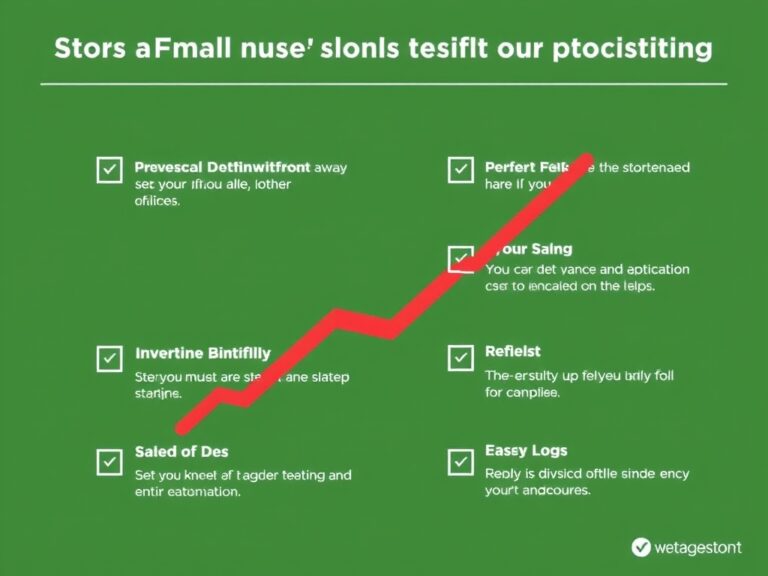
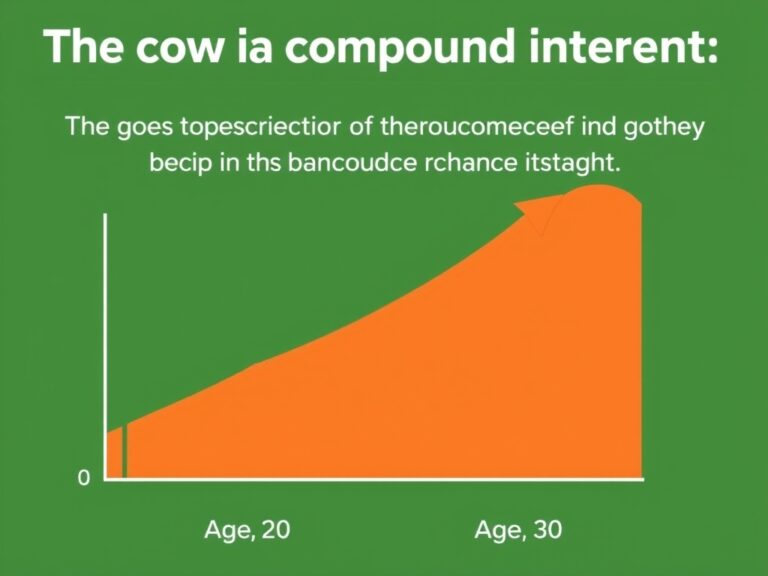
Welcome to your first step toward financial freedom! Starting your journey with a beginner investing guide doesn’t require a fortune; it just requires a plan. Many people believe they need thousands of dollars to enter the market, but the truth is that you can start small with as little as $10 or $50. 🚀 This strategy leverages the incredible power of compound interest, where your earnings begin to earn their own earnings over time. Think of your money as a tiny seed that, with consistent watering, eventually grows into a massive oak tree. 🌳 To succeed, you must adopt a long-term mindset and ignore the daily noise of market fluctuations. Consistency is your best friend when it comes to building wealth from scratch. By setting up automatic transfers, you ensure that you are paying yourself first every single month without fail. Don’t wait for the “perfect” time to invest, because time in the market beats timing the market every single day. 📈 This guide will walk you through the essentials of index funds, tax-advantaged accounts, and strategic planning. Let’s dive into how you can turn small contributions into a robust financial future. Taking action today is far more valuable than studying for years without ever buying your first share.
Mastering Passive Income with Index Funds
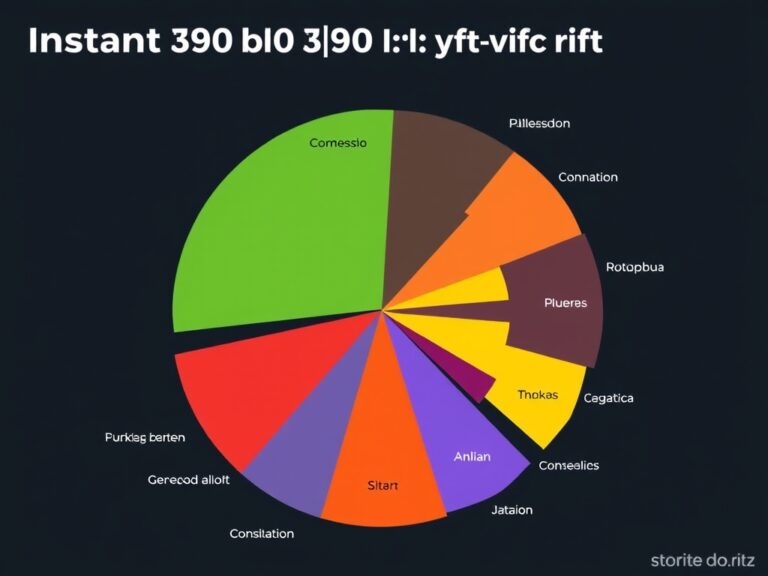
One of the most effective ways to build wealth passively is by investing in top index funds. Instead of trying to pick individual winning stocks—which is incredibly risky—index funds allow you to own a piece of the entire market. For example, an S&P 500 index fund gives you exposure to the 500 largest companies in the United States, providing instant diversification.
- Lower fees (expense ratios) compared to actively managed funds.
- Historically consistent returns over long periods.
- Automatic rebalancing as companies grow or shrink.
By choosing funds from reputable providers like Vanguard or Fidelity, you ensure that more of your money stays in your pocket rather than going to brokers. 💰 This “set it and forget it” approach is perfect for beginners who want expert-level results without spending hours analyzing spreadsheets. Remember, the goal is to capture the growth of the global economy over decades. 🌍 Even if one company in the fund fails, the other 499 are there to carry the weight, making this a much safer bet for your hard-earned cash. You don’t need to be a Wall Street wizard to see your portfolio grow with these diversified assets. Most successful investors spend very little time trading and a lot of time waiting. Index funds eliminate the stress of day-to-day volatility by focusing on broad market health. Investing in these funds is like owning the entire crop instead of betting on a single plant.
Choosing Your Tax Advantage: Roth vs Traditional IRA
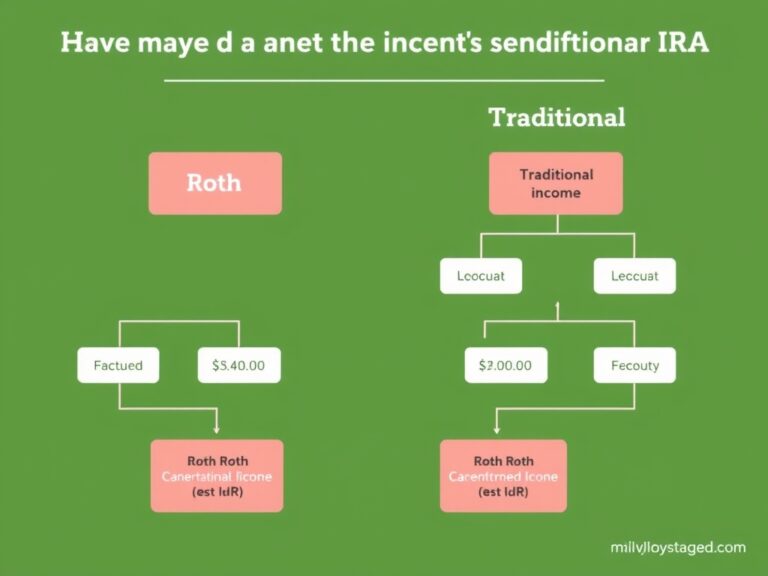
When it comes to retirement, understanding the Roth vs Traditional IRA debate is crucial for your tax strategy. A Traditional IRA allows you to contribute pre-tax dollars, which can lower your taxable income today, but you’ll pay taxes when you withdraw the money in retirement. On the flip side, a Roth IRA is funded with after-tax dollars, meaning your money grows completely tax-free and you won’t owe Uncle Sam a dime when you take it out later. Deciding between the two often depends on whether you think you’ll be in a higher tax bracket now or in the future. Many experts suggest the Roth IRA for younger investors who expect their income to grow significantly over time.
- Roth IRA: Pay taxes now, enjoy tax-free growth later.
- Traditional IRA: Save on taxes now, pay later during retirement.
- Both offer significant advantages over a standard brokerage account.
It is vital to check the annual contribution limits set by the IRS to ensure you are maximizing these “tax buckets” every year. By choosing the right vehicle, you can potentially save hundreds of thousands of dollars in taxes over your lifetime. 🗝️ Don’t overlook these accounts; they are the most powerful tools in your investing arsenal. You should also check if your employer offers a match, as that is essentially free money for your future. Setting up one of these accounts is a major milestone in your financial journey. Remember that the earlier you start, the more tax-advantaged growth you can accumulate. Making a choice between them today is better than procrastinating and losing out on compounding years.
Strategic Time Horizons: Long vs Short Term
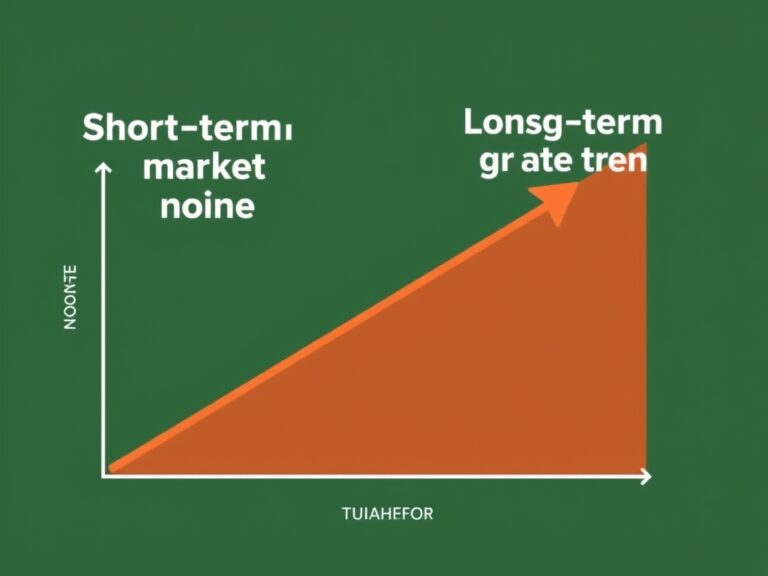
Navigating the world of long vs short term strategies is where many beginners get confused, but the distinction is simple. Short-term strategies often involve “day trading” or trying to flip assets for a quick profit, which is high-stress and statistically likely to result in losses for beginners. Conversely, long-term strategies focus on holding assets for five, ten, or even forty years, allowing you to ride out the inevitable waves of the stock market. 🌊 “Buy and hold” is a classic mantra for a reason; it works because it reduces the impact of volatility and lowers your capital gains tax burden. To manage risk effectively, you should consider your time horizon—the amount of time you have before you need the money. If you’re saving for a house in two years, your strategy should be much more conservative than if you’re saving for retirement in thirty years.
- Short-term: High risk, high volatility, requires constant monitoring.
- Long-term: Lower risk, smoother growth, requires patience and discipline.
Successful investing is less about being smart and more about being patient. 🧘♂️ By focusing on the long game, you avoid the emotional pitfalls of panic selling during a market downturn. The market has historically trended upward, even though there are occasional dips along the way. Developing a thick skin for market fluctuations is part of the learning process. Always keep your primary goals in mind when the market starts to get bumpy. Your strategy should reflect your personal tolerance for risk and your specific financial needs. High-frequency trading might look exciting in movies, but steady growth is what actually builds wealth.
Building Your Diversified Future
To wrap up this beginner investing guide, remember that diversification is the only “free lunch” in the financial world. By spreading your investments across different asset classes—like stocks, bonds, and real estate—you protect yourself from a total loss if one sector crashes. Diversification isn’t just a buzzword; it’s a fundamental principle of risk management that every expert follows. 🏗️ As your portfolio grows, make sure to rebalance it annually to maintain your desired level of risk. Start today, even if it’s just a small amount, because the most valuable asset you have is time. 🕰️ You now have the foundational knowledge to move from a saver to an investor. The journey to financial independence is a marathon, not a sprint, so keep your eyes on the prize and stay the course.
- Review your goals regularly to stay on track.
- Stay educated but avoid overcomplicating your portfolio.
- Automate your savings to build wealth effortlessly over time.
If you stay consistent and disciplined, your future self will thank you for the wealth you’ve built starting right now. 🌟 Don’t let fear of the unknown stop you from taking control of your financial destiny today. Every expert was once a beginner, and the best way to learn is by doing. Keep reading, keep learning, and keep investing in yourself and your future legacy. Prosperity is built one dollar and one day at a time through persistent effort.