Beginner Guide to Investing with Little Money: Best Index Funds, IRA Options, and Passive Income Strategies for Long-Term Growth
Hey there, future millionaire! Ever looked at your bank account and thought, “I wish I could invest, but I barely have enough for coffee?” Well, guess what? You absolutely CAN start investing, even with just a little bit of money. Think of it like planting a tiny seed; with time and care, it can grow into a mighty tree! In this beginner’s guide, we’re diving deep into how you can kickstart your investment journey without breaking the bank. We’ll cover the best index funds that offer diversification, explore IRA options that give your money tax advantages, and uncover passive income strategies to boost your long-term growth. Getting started is often the hardest part, but we’re here to make it super simple and, dare I say, even fun! Let’s turn those pennies into pounds and build a secure financial future, one smart investment at a time. Remember, consistency is key, and starting small is infinitely better than not starting at all.

So, what exactly are index funds, and why are they your new best friend when investing with little money? Imagine you want to buy a slice of the entire stock market without having to pick individual stocks. That’s essentially what an index fund does! It’s a type of mutual fund or ETF (Exchange Traded Fund) that aims to mirror the performance of a specific market index, like the S&P 500. This means you get instant diversification across hundreds or even thousands of companies with a single investment. For beginners, this is gold! It significantly reduces risk because if one company falters, it doesn’t sink your entire investment. Plus, index funds typically have much lower expense ratios (fees) compared to actively managed funds, meaning more of your money stays invested and works for you. Think of it as buying a pre-made, balanced meal instead of trying to cook a gourmet dish from scratch – easy, effective, and affordable! Starting with a small amount in an index fund is a fantastic way to get your feet wet in the investing world.
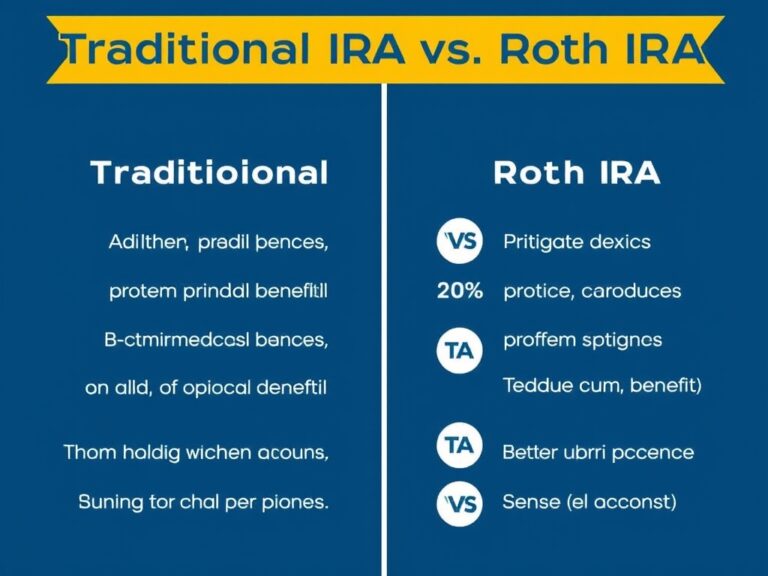
Now, let’s talk about IRAs (Individual Retirement Arrangements) – powerful tools for long-term growth, especially when you’re starting with limited funds. IRAs offer significant tax advantages that can supercharge your investment returns over time. There are two main types: Traditional IRAs and Roth IRAs. With a Traditional IRA, your contributions may be tax-deductible now, lowering your current taxable income, and your money grows tax-deferred until retirement when withdrawals are taxed. A Roth IRA, on the other hand, is funded with after-tax dollars, meaning you don’t get a tax break upfront, but your qualified withdrawals in retirement are completely tax-free! For beginners, especially those in lower tax brackets now, a Roth IRA can be incredibly beneficial, as you pay taxes on your earnings now when your rate is lower, and enjoy tax-free income later. Many brokerages allow you to open an IRA with a very small initial deposit, making them accessible for small-money investors.
Beyond traditional investing, let’s explore the exciting world of passive income strategies that can complement your index fund and IRA investments. Passive income is essentially money you earn with minimal ongoing effort. While no income is truly “passive” from the start (it usually requires upfront work or investment), the goal is to create streams that generate money consistently without constant active involvement. Examples include dividend stocks (owning shares in companies that pay out a portion of their profits to shareholders), real estate crowdfunding (pooling money with others to invest in properties), or even creating and selling digital products like e-books or online courses. Even with little money, you can start building towards these streams. For instance, reinvesting dividends from index funds or dividend stocks can create a powerful compounding effect over time. Focus on strategies that align with your initial capital and gradually scale up as your income grows. The key is to be patient and consistent, letting your small initial efforts build into significant passive income generators.
Putting it all together for long-term growth requires a clear, consistent strategy. Start by setting realistic financial goals – what do you want your money to achieve? Whether it’s a down payment on a house, early retirement, or simply financial freedom, having a target keeps you motivated. Automate your savings and investments; set up automatic transfers from your checking account to your investment account each payday, even if it’s just $25 or $50. This “set it and forget it” approach helps build discipline and ensures you’re consistently investing without having to think about it. Regularly review your portfolio (perhaps quarterly or annually) to ensure it still aligns with your goals and risk tolerance, but avoid excessive trading based on market noise. Compounding is your greatest ally here; the earlier you start, the more time your money has to grow exponentially. Remember, investing is a marathon, not a sprint, and starting with little money is a perfectly valid and achievable way to begin your wealth-building journey.