
Start Investing Small: Best Index Funds, IRA Choices & Passive Income for Beginners
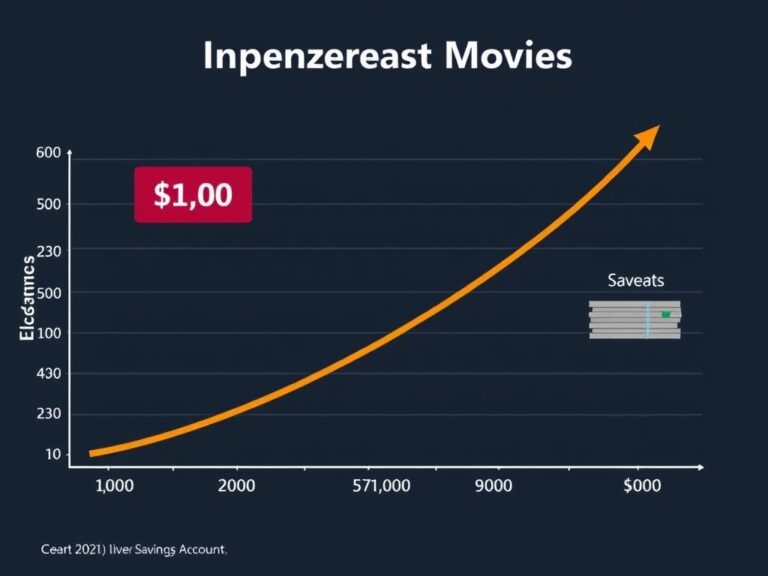
Hey there! If you’ve ever felt that investing is a club reserved exclusively for the ultra-wealthy, I’m here to tell you that starting small is actually the most powerful way to build long-term wealth. You don’t need a million dollars to get skin in the game; in fact, even $50 a month can transform into a significant nest egg thanks to the magic of compound interest. 🚀 Think of your money as a tiny seed that, when planted early, grows into a massive oak tree over several decades. The most important factor isn’t how much you start with, but when you start, because time is the greatest asset any investor possesses. By starting today, you allow your earnings to generate their own earnings, creating a snowball effect that is hard to stop once it gains momentum. Many beginners hesitate because they fear market volatility, but the truth is that staying on the sidelines is often the riskiest move of all. To help you get started, here are a few reasons why small beginnings lead to big results for your future:
- Lower barrier to entry for everyone.
- Ability to learn the ropes without high stakes.
- Establishing a consistent saving habit early on.
It’s all about consistency and patience, rather than timing the market perfectly. Don’t wait for a ‘perfect’ moment that may never come; just start where you are with what you have. Small steps lead to massive destinations if you just keep walking forward. Investing is a journey of a thousand miles that begins with a single dollar.
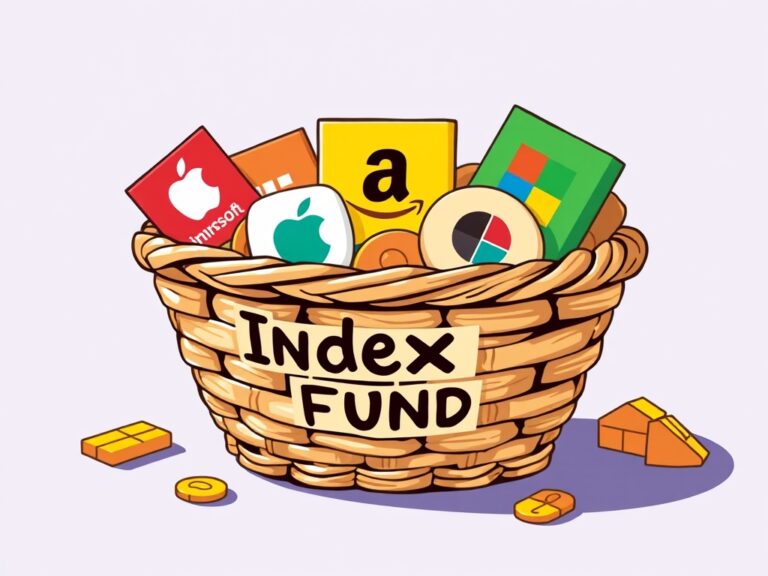
Now that you’re ready to dive in, let’s talk about the ‘holy grail’ for beginner investors: Index Funds. Instead of trying to pick the next winning stock like a needle in a haystack, an index fund allows you to buy the entire haystack at once! 🧺 Essentially, an index fund is a type of mutual fund or ETF designed to track a specific market benchmark, like the famous S&P 500. When you invest in an index fund, you are instantly diversified across hundreds of the world’s most successful companies, which drastically reduces your risk. 📉 This ‘set it and forget it’ approach is favored by experts because it consistently outperforms most actively managed funds over the long run. Plus, the expense ratios (the fees you pay) are incredibly low, meaning more of your money stays in your pocket to grow. Here are some of the best index funds to consider for your portfolio:
- VTI: Vanguard Total Stock Market ETF
- VOO: Vanguard S&P 500 ETF
- FNILX: Fidelity ZERO Large Cap Index
These funds provide broad exposure and are perfect for those who want steady, passive growth without the stress of daily price tracking. By buying the market, you ensure that as the global economy grows, your wealth grows right along with it. 🌍 It is truly the most efficient way to achieve professional-level returns with minimal effort. Don’t overcomplicate your strategy; index funds are often all you really need.
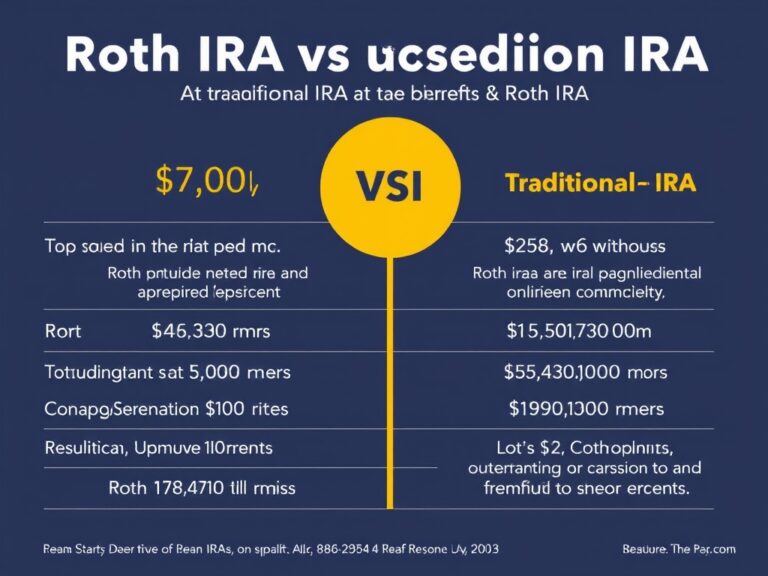
While choosing the right assets is crucial, where you hold those assets is just as important, which brings us to Individual Retirement Accounts (IRAs). Think of an IRA as a ‘tax-advantaged bucket’ that protects your investments from the taxman, allowing your money to compound much faster. 🛡️ There are two main types you should know about: the Roth IRA and the Traditional IRA. With a Roth IRA, you contribute money that has already been taxed, but every penny you withdraw in retirement is 100% tax-free! 💸 On the flip side, a Traditional IRA gives you a tax break today by letting you deduct contributions from your income, but you’ll pay taxes when you take the money out later. For most beginners and young professionals, the Roth IRA is the gold standard because your tax rate is likely lower now than it will be in the future. You should also consider that IRAs have annual contribution limits, meaning you want to start as early as possible to maximize your space. Here’s a quick breakdown of why these accounts are essential for your portfolio:
- Tax-Free Growth: No capital gains taxes inside the account.
- Flexibility: Roth IRAs allow you to withdraw your contributions anytime.
- Automatic Savings: Most brokers allow you to set up recurring monthly contributions.
Choosing the right IRA can literally save you hundreds of thousands of dollars in taxes over your lifetime. 🏦 It’s a foundational step in any passive income strategy that prioritizes long-term financial freedom. Always consult with a professional if you’re unsure, but don’t let indecision stop you.
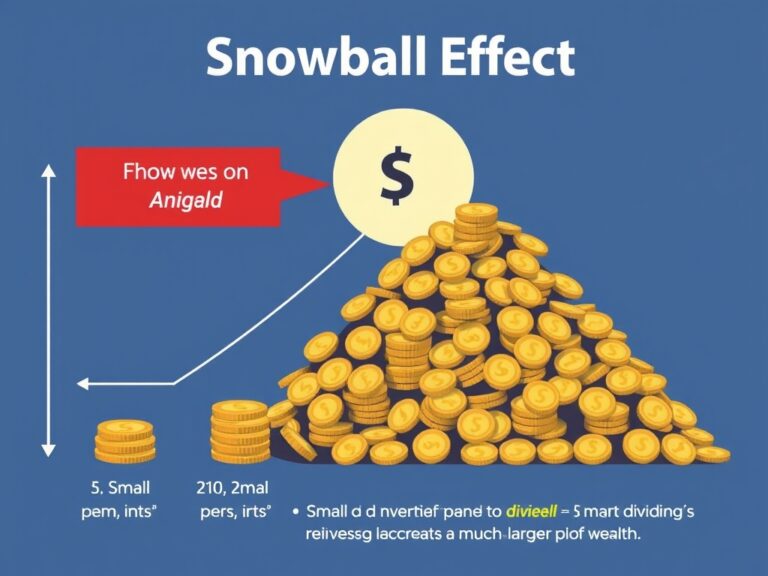
If you’ve ever dreamed of making money while you sleep, then Passive Income through Dividends is going to be your new favorite concept. 😴 Dividends are essentially ‘thank you’ payments made by profitable companies to their shareholders just for owning a piece of the business. By focusing on Dividend Aristocrats—companies that have increased their dividends for at least 25 consecutive years—you can build a reliable stream of cash flow. 🌊 To maximize this growth, you should utilize a Dividend Reinvestment Plan (DRIP), which automatically uses your payouts to buy more shares of the stock. This creates a powerful feedback loop where more shares lead to more dividends, which lead to even more shares! 🔄 Over time, this passive income can grow large enough to cover your monthly expenses, effectively ‘retiring’ those bills forever. It’s important to remember that dividend investing is a marathon, not a sprint, and requires a focus on quality over high yield. Consider these key traits when looking for dividend-paying assets:
- Strong history of consistent payouts.
- A healthy ‘payout ratio’ (the % of earnings paid as dividends).
- Sustainable business models with competitive advantages.
By layering dividend stocks with your index funds, you create a robust, dual-engine wealth machine. 🚂 Watching those quarterly payments hit your account is one of the most motivating experiences a new investor can have! Every dollar received is a dollar you didn’t have to trade your time for.
Ready to take action? Your journey from a curious observer to a confident investor starts with a few simple, practical steps that you can complete today. 📝 First, you’ll need to open a brokerage account with a reputable firm like Vanguard, Fidelity, or Charles Schwab, which all offer user-friendly platforms and zero-commission trades. Once your account is open, don’t wait for the ‘perfect’ market dip; instead, implement a strategy called Dollar-Cost Averaging (DCA). 📉 This involves investing a fixed amount of money at regular intervals, regardless of whether the market is up or down. This habit removes the emotional stress of investing and ensures you buy more shares when prices are low and fewer when prices are high. 📊 Remember, the goal is time in the market, not timing the market, so keep your eyes on the long-term horizon. Avoid the temptation to check your balance every single day, as short-term fluctuations are just ‘noise’ in a much larger upward trend. Here is your immediate checklist to get the ball rolling:
- Open a Roth IRA or taxable brokerage account.
- Link your bank account for easy transfers.
- Select a broad-market Index Fund (like VTI).
- Set up an automatic monthly contribution of any amount.
By automating your financial future, you ensure that your wealth grows even when life gets busy. 🏃♂️ You’ve got the knowledge, the tools, and the plan—now all that’s left is to press that ‘buy’ button and start your legacy! Your future self will look back at this moment with immense gratitude for the courage you showed today.