
The Beginner Guide to Investing With Little Money: Best Index Funds, Roth vs Traditional IRAs, and Long-Term Passive Income Strategies
Welcome to the exciting world of wealth building, where the myth that you need thousands of dollars to start is finally being put to rest! 🚀 Investing with little money is not only possible; it is actually the smartest way to learn the ropes without high stakes.
- Micro-investing apps allow you to start with just your spare change or small weekly contributions.
- Consistency matters far more than the initial amount you deposit into your brokerage account.
- The magic of compound interest works best when given plenty of time to flourish.
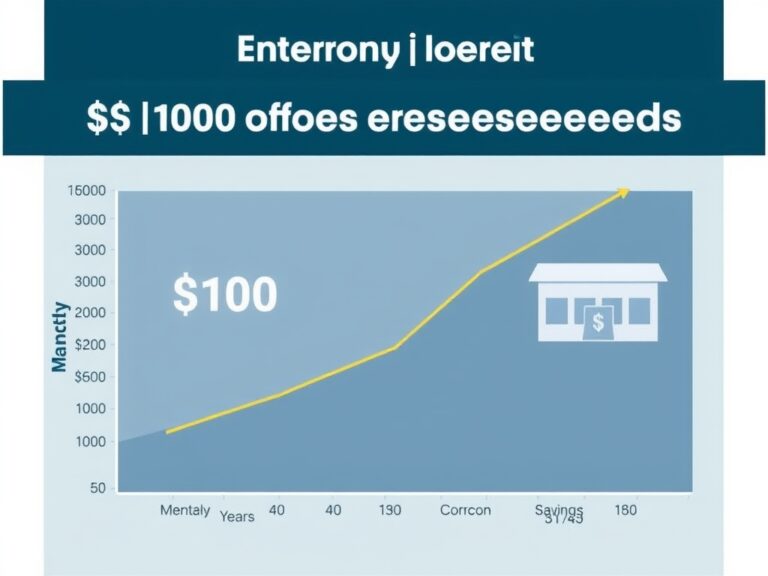
By starting small today, you are essentially planting a financial seed that will grow into a massive oak tree over the coming decades. It is important to realize that every dollar you invest now is a hardworking soldier serving your future self. Don’t wait for a massive windfall to begin your journey toward financial freedom. Many successful investors started with just $50 or $100 a month to build their foundation from the ground up. Even small contributions can balloon into significant sums thanks to the power of time and market growth. You should prioritize clearing high-interest debt first, but once that is clear, even a tiny account is a major win. This guide will walk you through the essential steps to turn those small bills into a robust, life-changing portfolio. Let’s dive into how you can maximize every cent for long-term success and security!
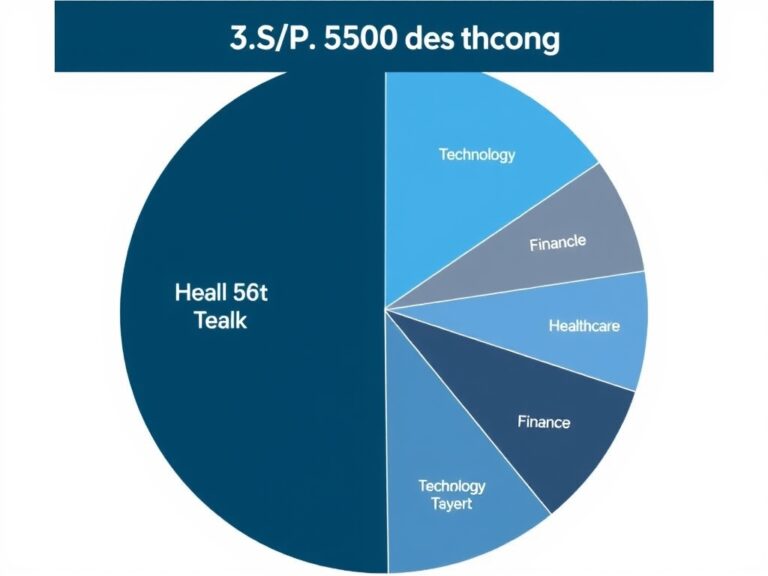
Now that you have got the right mindset, let’s talk about the ‘holy grail’ for beginner investors: Best Index Funds and ETFs. Instead of trying to pick a single winning stock like Apple or Tesla, an index fund allows you to buy a tiny slice of hundreds of companies at once. 🏢 This diversification is your best friend because it protects you from the sudden failure of any one individual business. 📊 Why choose index funds?
- Lower fees (expense ratios) compared to actively managed funds keep more money in your pocket.
- Historically consistent returns that often beat the performance of professional stock pickers.
- Automatic rebalancing ensures you don’t have to stress over daily market swings or technical analysis.
Popular options like the S&P 500 index funds track the 500 largest companies in the US, providing a balanced exposure to the entire economy. You can easily find these through low-cost brokers like Vanguard, Fidelity, or Charles Schwab with very low minimums. Investing in these funds is the ultimate ‘set it and forget it’ strategy for building serious wealth over time. Since you are buying the whole market, you are betting on the long-term growth of human innovation and global productivity. It is one of the most efficient long-term passive income strategies available to the everyday person today. You don’t need a finance degree to understand that owning a piece of the entire market is safer than gambling on a single trend. Index funds are the reliable engine that will drive your portfolio forward while you sleep soundly at night.
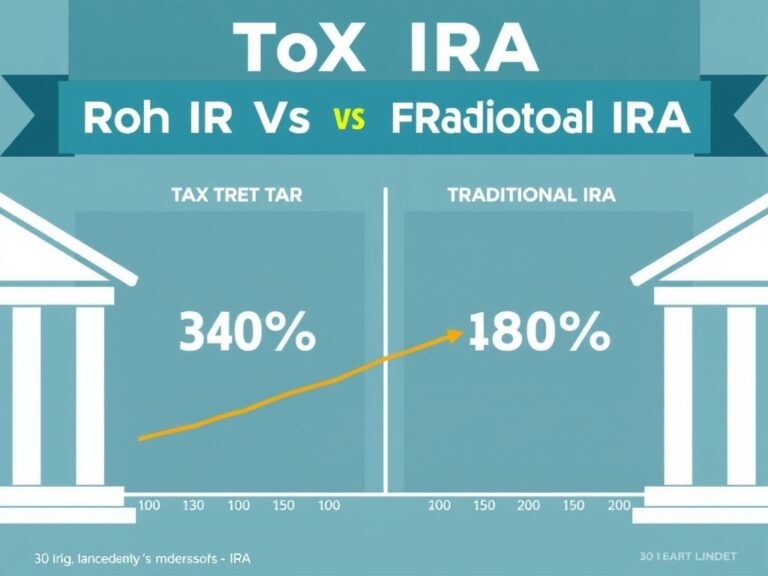
One of the biggest hurdles for beginners is deciding where to put their money, specifically when choosing between a Roth vs Traditional IRA. These Individual Retirement Accounts are like specialized buckets that offer incredible tax advantages to help your money grow much faster. 🏦 A Roth IRA is often the favorite for young investors because you contribute ‘after-tax’ dollars, meaning your withdrawals in retirement are completely tax-free! 💸 On the other hand, a Traditional IRA gives you a tax break today by deducting your contributions from your current taxable income, but you will pay taxes when you take the money out later.
- Roth IRA: Pay taxes now, enjoy tax-free growth and tax-free withdrawals during your golden years.
- Traditional IRA: Get a tax deduction now, pay taxes on withdrawals once you reach retirement age.
- Income limits: Be aware that Roth IRAs have specific income eligibility requirements you must meet.
Choosing the right one depends on whether you think you will be in a higher tax bracket now or when you eventually retire. For most beginners starting with little money, the Roth IRA is a powerhouse because of that compound tax-free growth over forty years. It acts as a powerful shield against future tax hikes, providing massive peace of mind as your balance steadily climbs. Understanding these vehicles is crucial because the tax savings alone can add hundreds of thousands of dollars to your final nest egg. Make sure to consult with a financial professional if you are unsure, but do not let indecision stop you from opening an account. The best time to start either one was yesterday; the second best time is definitely today!
Finally, let’s look at how to turn your small investments into a stream of long-term passive income that eventually covers your daily bills. Passive income is the ultimate goal of investing, where your money generates more money without you having to lift a single finger. 🍹 One popular method is dividend investing, where companies pay out a portion of their profits directly to you just for owning their stock. 📈 Another great option is investing in REITs (Real Estate Investment Trusts), which allow you to earn rental income without the headache of being a landlord.
- Reinvesting dividends: Use your earnings to buy more shares automatically to accelerate your growth.
- Dollar-cost averaging: Invest a fixed amount regularly regardless of the current market price to lower risk.
- Patience: Real wealth is built through years of steady compounding, not through overnight hits or luck.
By consistently adding to your index funds and retirement accounts, you create a snowball effect that picks up incredible speed over time. As your portfolio grows, the dividends and interest it generates will start to rival your primary income from your job. Imagine a future where your ‘side hustle’ is just your bank account growing while you enjoy your hobbies or travel the world. This level of freedom requires discipline and a commitment to the long game rather than chasing ‘get rich quick’ schemes. Stick to the plan, stay diversified, and keep your expenses low to maximize your monthly investment capacity. You are now equipped with the fundamental knowledge to start your journey toward true financial independence. Remember, the journey of a thousand miles begins with a single dollar, so go ahead and take that first step today!