
Ultimate Guide to Investing with Little Money: Index Funds, IRA Strategies, and Passive Income for Long-Term Growth
Hey there! Have you ever felt like the world of investing is a members-only club for the wealthy? Well, I’m here to tell you that’s a total myth, and you can actually start building your empire with just the spare change in your pocket. Investing with little money is not only possible but it’s actually one of the smartest ways to build a long-term habit of financial discipline. In this ultimate guide, we’re going to explore how you can leverage micro-investing apps and low-cost platforms to get your foot in the door. You don’t need a massive windfall to see results; what you really need is consistency and a bit of patience. By starting small, you allow yourself to learn the ropes without the high stakes that usually scare beginners away from the market. We will dive deep into index funds, tax-advantaged accounts, and strategies that turn small seeds into giant oaks. Remember, every millionaire started somewhere, and most of them didn’t start with a million. The goal is to shift your mindset from a spender to an investor, looking at every dollar as a little soldier working for your future. Let’s get started on this journey toward financial freedom together!

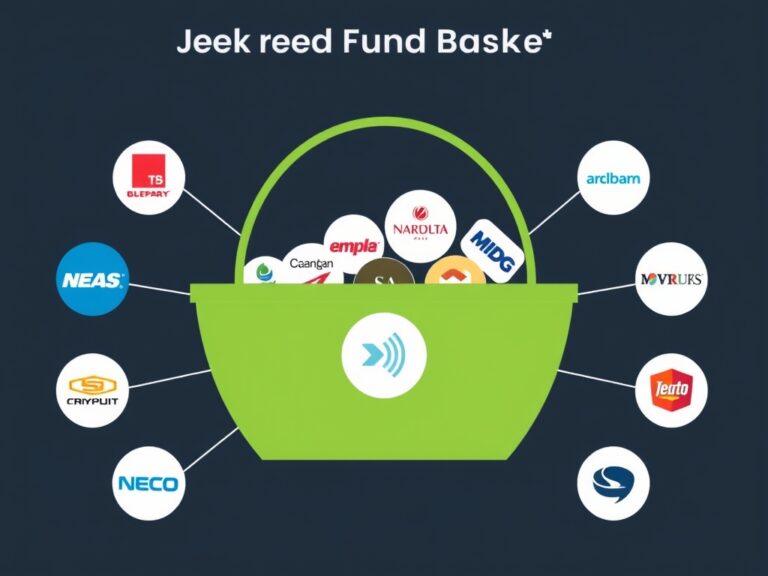
One of the absolute best vehicles for someone starting with small amounts is the Index Fund. Think of an index fund as a “basket” of stocks that tracks a specific part of the market, like the S&P 500, which represents the 500 largest companies in the US. Instead of trying to find the “next big thing” and risking your hard-earned cash on a single stock, you’re buying a tiny slice of many successful businesses. This provides instant diversification, which is key to managing risk when your capital is limited. Most modern brokerages now offer fractional shares, meaning you can invest as little as $1 into these funds. Why is this a game-changer?
- Low Expense Ratios: You aren’t paying high management fees to a fund manager.
- Market Returns: You get the average return of the market, which historically is around 7-10% annually.
- Simplicity: You don’t need to be a Wall Street expert to succeed.
Because you’re not betting on one horse, you can sleep better at night knowing your money is spread across tech, healthcare, and energy sectors. It’s the ultimate “set it and forget it” strategy for busy people. Over time, these small contributions grow as the underlying companies grow and pay out profits. It’s about time in the market, not timing the market.
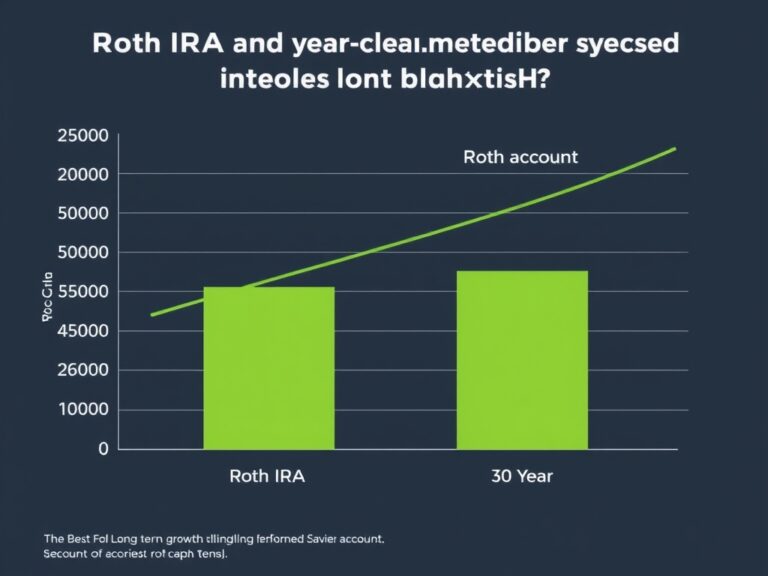
Next up, let’s talk about where you should actually hold these investments for the best tax advantages. Opening an Individual Retirement Account (IRA) is one of the most powerful moves you can make, even with just $50 a month. There are two main flavors: the Roth IRA and the Traditional IRA, and choosing the right one depends on your current income. With a Roth IRA, you contribute money that has already been taxed, but the magic happens later because your withdrawals in retirement are 100% tax-free. This is incredible for young investors because you’re essentially shielding decades of growth from the IRS. On the other hand, a Traditional IRA might give you a tax break today, which is great if you’re in a higher tax bracket right now.
- Compounding: Within an IRA, your gains aren’t taxed every year, allowing them to snowball faster.
- Accessibility: Some Roth IRAs allow you to withdraw your contributions without penalty if you’re in a pinch.
By choosing an IRA, you are prioritizing your future self and ensuring that Uncle Sam doesn’t take a huge bite out of your hard-earned nest egg. It’s a strategic way to optimize every dollar you invest. Even small, regular contributions to an IRA can grow into a significant sum over 20 or 30 years. You’re not just saving; you’re building a fortress for your retirement.
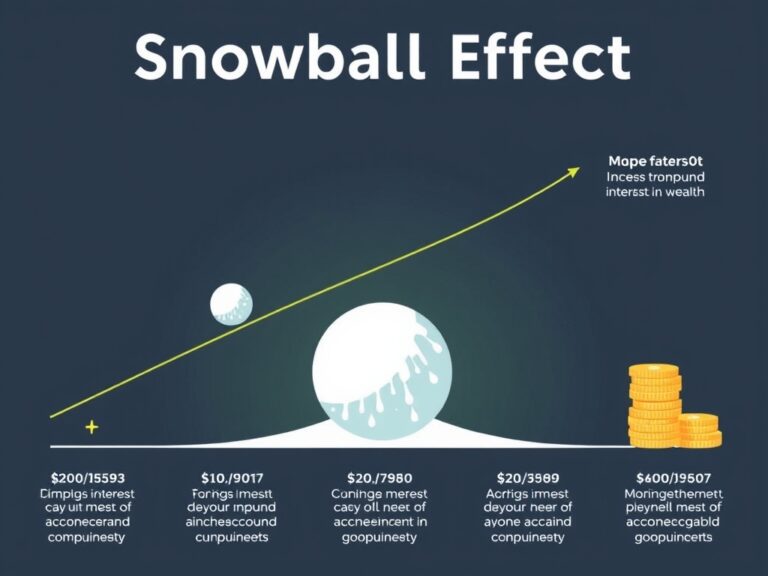
Now, let’s discuss the engine that drives long-term wealth: Passive Income and the miracle of compound interest. When you invest in index funds or dividend-paying stocks, you start receiving small payments just for owning the assets. Instead of spending that cash, you should use a Dividend Reinvestment Plan (DRIP) to automatically buy more shares. This creates a feedback loop where your money earns money, and then that new money earns even more money! It’s like a snowball rolling down a hill; at first, it’s small and slow, but as it picks up more snow, it becomes an unstoppable force. Many beginners get discouraged because they don’t see massive gains in the first six months. However, the real “magic” usually happens in years 10, 20, and 30 when the exponential curve starts to spike upward. Patience is your greatest asset when you’re starting with a small amount of capital. You are planting seeds today for shade you will enjoy many years from now.
- Consistency over Amount: Investing $20 every week is often better than investing $1,000 once a year.
- Automation: Set up an automatic transfer so you don’t even have to think about it.
This approach removes the emotional stress of watching market fluctuations daily. You become a disciplined wealth-builder who understands that slow and steady truly wins the race.
To wrap things up, the most important step you can take is simply to start today. Don’t wait for the “perfect” time or until you have a “real” amount of money to invest because that day might never come if you don’t build the habit now. Look at your monthly budget and find just $10 or $20 that you can redirect from a coffee run to your brokerage account. Use technology to your advantage by downloading apps that offer zero-commission trades and allow for fractional investing. Educate yourself constantly, but don’t let “analysis paralysis” keep you on the sidelines while the market moves forward. Every day you wait is a day of compound interest you are leaving on the table. You have the tools, the knowledge, and the access to build a life of financial freedom.
- Review: Check your portfolio once a quarter, but don’t obsess over daily charts.
- Increase: As your income grows, try to increase your contribution percentage by 1% each year.
You are now equipped with the strategies to turn small change into a substantial portfolio through index funds and IRAs. Remember, wealth isn’t about how much you make, but how much you keep and how hard that money works for you. Your future self will thank you for the courage to start small and the discipline to stay the course. Let’s make your financial dreams a reality, one dollar at a time!