How to Start Investing With Little Money: Best Index Funds, IRA Options, and Passive Income Ideas for Long-Term Growth
Starting your financial journey might feel intimidating, but you don’t need a massive bankroll to begin building wealth. In fact, investing with little money is one of the best ways to develop the discipline needed for long-term success. Many people wait for a ‘perfect’ time or a windfall, but the truth is that time in the market is far more valuable than timing the market. Thanks to modern technology, you can now purchase fractional shares of your favorite companies for as little as a few dollars. This removes the barrier to entry that previously kept many people out of the stock market. Think of every dollar you invest today as a seed that will grow into a sturdy tree over the coming decades. The magic of compound interest allows your earnings to generate their own earnings, creating a snowball effect. By shifting your mindset from a consumer to an owner, you begin looking for assets rather than just liabilities. You are essentially paying your future self first, which is the cornerstone of all personal finance. Even a modest contribution of $50 a month can grow into a significant sum over thirty years. Let’s explore the specific vehicles that can help you turn these small amounts into a fortune. It’s time to stop waiting and start building your legacy right now. You deserve to have your money working as hard for you as you do for it.

One of the most reliable ways to grow your wealth without needing to be a Wall Street expert is through Index Funds. An index fund is essentially a basket of stocks that tracks a specific part of the market, such as the S&P 500. By buying one share of an index fund, you are instantly diversified across hundreds of the most successful companies in the world. This diversification is key because it protects you from the failure of any single company. You don’t have to worry about individual stocks crashing as long as the broader economy continues to grow over time. Most index funds are managed passively, which means they have extremely low fees compared to actively managed funds. Low expense ratios are vital because high fees can eat away a huge chunk of your returns over thirty years. Here are some excellent starting points for low-cost investing:
- Vanguard Total Stock Market ETF (VTI)
- Fidelity Zero Large Cap Index (FNILX)
- iShares Core S&P 500 ETF (IVV)
These funds allow you to capture the growth of the entire economy with minimal effort. They are perfect for beginners who want professional-grade results without the stress of constant monitoring. Consistency in buying these funds regardless of market conditions is the secret to long-term growth. Index funds have historically outperformed the majority of professional stock pickers over long durations.
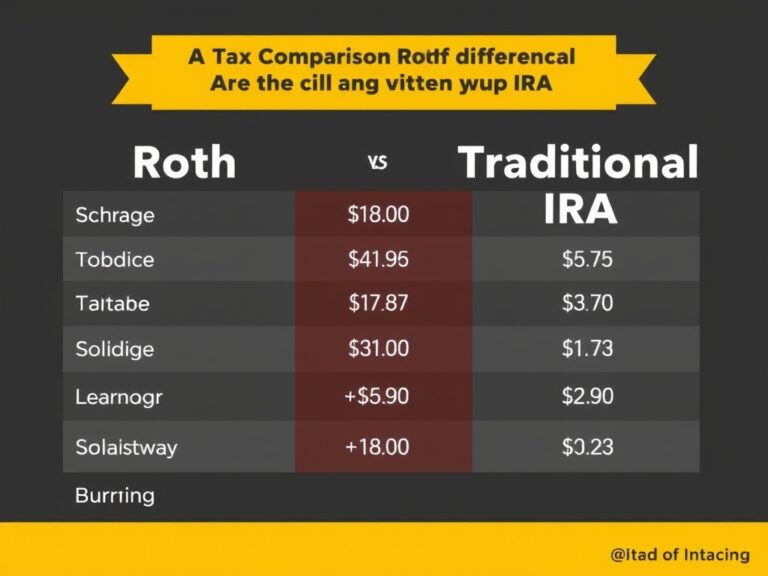
Once you have chosen your investments, you need to decide where to hold them to maximize your tax benefits. Individual Retirement Accounts (IRAs) are specifically designed to help individuals save for the future with incredible tax advantages. The two most common types are the Roth IRA and the Traditional IRA, each serving different financial goals. With a Roth IRA, you contribute money that has already been taxed, but your withdrawals in retirement are completely tax-free. This is often the best choice for young investors who expect to be in a higher tax bracket later in life. On the other hand, a Traditional IRA may offer an immediate tax deduction on your contributions today, though you will pay taxes when you withdraw the money later. Understanding these IRA options can save you tens of thousands of dollars in taxes over your lifetime. Many brokerages allow you to open these accounts with no minimum balance, making them perfect for those starting small. Consider the following benefits of using an IRA:
- Tax-deferred or tax-free growth
- Protected retirement savings
- Flexible investment choices
It is important to note that these accounts have annual contribution limits set by the IRS. Automated contributions into an IRA can ensure that you never forget to invest in your future. Even if you can only contribute a small amount now, the tax-sheltered nature of these accounts is too good to pass up. Consult with a tax professional to see which specific IRA fits your current income level and long-term vision.
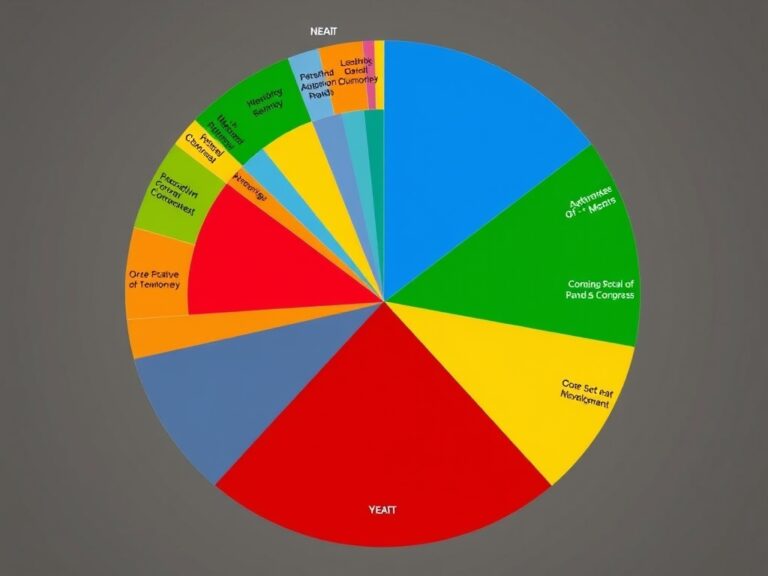
Beyond simple price appreciation, many investors seek to create passive income streams to supplement their cash flow. Passive income is money earned with minimal ongoing effort, often through dividends or interest payments. Dividend-paying stocks are a popular choice because they distribute a portion of the company’s earnings directly to shareholders. You can take these payments and automatically reinvest them to buy more shares, further accelerating your growth. Real Estate Investment Trusts, or REITs, are another fantastic way to earn passive income without having to manage physical property. REITs allow you to own a piece of commercial or residential real estate portfolios and receive a share of the rental income. This provides a steady stream of cash that can be especially helpful during periods of market volatility. If you are starting with little money, many apps allow you to invest in REITs with very low minimums. Here are some common passive income vehicles:
- Dividend Aristocrats (companies that consistently raise dividends)
- High-yield savings accounts for cash reserves
- Bond ETFs for steady interest
The goal is to build a “money machine” that eventually covers your living expenses entirely. While it takes time to reach that level, starting today ensures your machine begins building momentum. Passive income provides a safety net and financial flexibility that traditional savings simply cannot match.

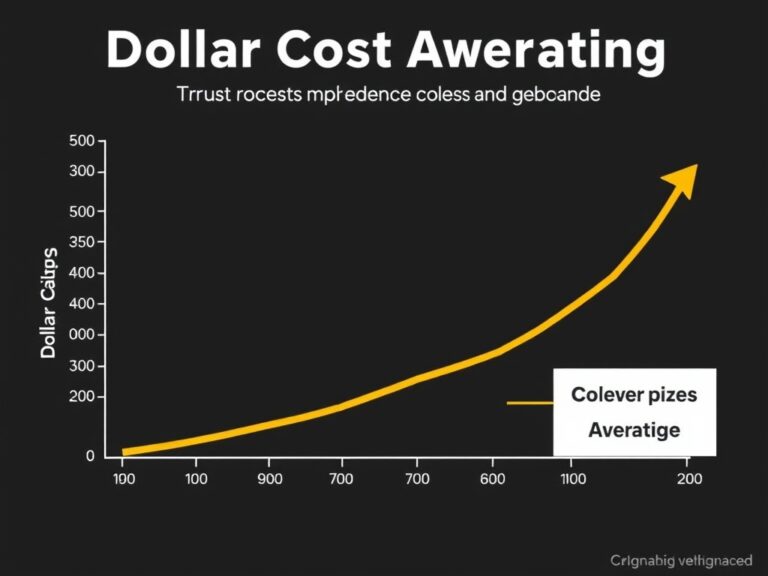
The most important factor in your success isn’t the specific fund you choose, but your commitment to a consistent strategy. Dollar-cost averaging is a technique where you invest a fixed amount of money at regular intervals, regardless of the price. This strategy ensures that you buy more shares when prices are low and fewer shares when prices are high. Over time, this lowers your average cost per share and removes the emotional stress of trying to “time” the market. Automation is your best friend in this process; setting up a recurring transfer from your bank account makes investing effortless. When the market dips, don’t panic; instead, view it as a sale on the assets you were already planning to buy. Successful long-term growth requires patience and the ability to ignore the daily noise of financial news. Keep your eyes on the horizon, knowing that the stock market has historically trended upward over multi-decade periods. As your income increases over time, try to “lifestyle creep” less and “investment creep” more by increasing your contributions. Even small increases in your monthly investment can have a profound impact on your final portfolio value. You are building a foundation for financial independence, one brick—or one dollar—at a time. Start today, stay the course, and watch as your small beginnings transform into a secure financial future.