How to Start Investing with Little Money: Best Index Funds, IRAs, and Passive Income Strategies for Long-Term Success
🌱 The Power of Small Beginnings
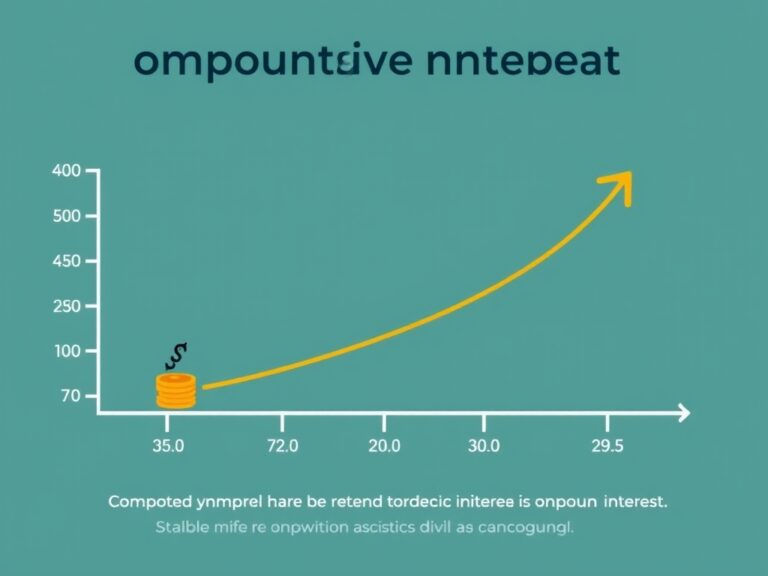
Welcome to the world of wealth-building, where the biggest secret is that you don’t need a massive bankroll to get started. Many people believe that investing is reserved for the elite, but today, micro-investing has leveled the playing field for everyone. Starting with as little as $5 or $10 a week can set the foundation for long-term financial freedom through the power of compounding. Compound interest acts like a snowball, turning small, consistent contributions into a significant nest egg over decades. When you start early, your money has more time to work for you, meaning you actually have to work less later in life. Think of your first investment not as a gamble, but as a seed you are planting for your future self. Today’s digital platforms make it incredibly easy to open an account with no minimum balance requirements. You can literally begin your journey while sitting on your couch or waiting for your morning coffee. The key is to shift your mindset from a consumer to an owner of assets. By prioritizing growth over immediate gratification, you are choosing a path toward true wealth. Don’t let the fear of “not having enough” stop you from taking that crucial first step. Remember, every millionaire started with their first dollar, and your journey begins the moment you decide to commit. Let’s dive into the specific tools that can help you turn your spare change into a fortune.
📈 Why Index Funds are Your Secret Weapon
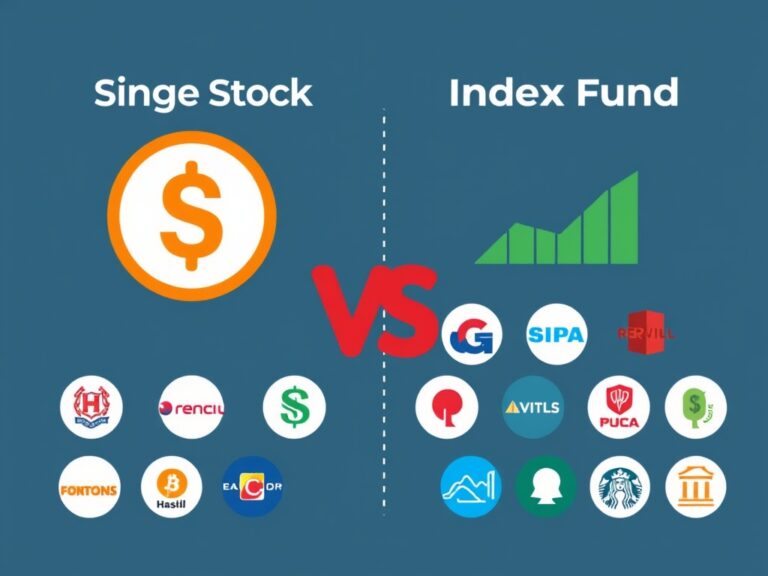
If you are looking for the most efficient way to grow your money without picking individual stocks, low-cost index funds are your best friend. An index fund is essentially a basket of stocks that tracks a specific market index, like the S&P 500, giving you instant diversification. Instead of betting on one company, you are betting on the entire economy’s growth, which is historically a much safer and more reliable bet. Why are these so popular for beginners? First, they have incredibly low expense ratios, meaning more of your money stays in your pocket instead of going to fund managers. Second, they eliminate the stress of trying to “time the market” or research individual financial statements. Some of the best options include:
- Vanguard S&P 500 ETF (VOO) – Low fees and great track record.
- Schwab Total Stock Market Index (SWTSX) – Exposure to almost every public company.
- Fidelity ZERO Large Cap Index (FNILX) – An index fund with zero fees.
By holding these funds, you own a piece of giants like Apple, Microsoft, and Amazon all at once. This strategy is often called “lazy investing” because it requires very little maintenance once set up. Over time, the broad market has historically returned about 7-10% annually, which is far better than a traditional savings account. Even with small amounts, buying fractional shares allows you to own these high-priced stocks indirectly. Consistency in buying these funds is the most proven path to becoming a millionaire over a 20-to-30-year horizon.
🛡️ Protecting Your Gains with IRAs
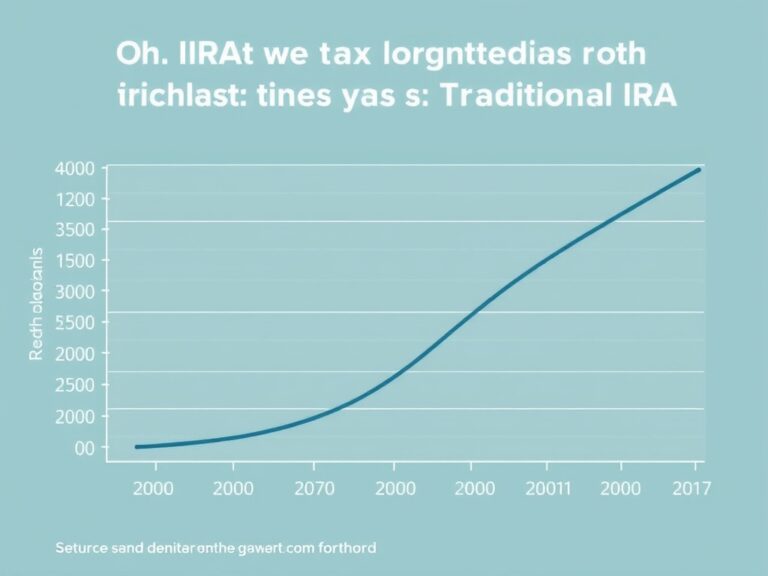
Choosing the right account is just as important as choosing the right investment, and that is where Individual Retirement Accounts (IRAs) come into play. An IRA is a tax-advantaged account designed specifically to help you save for the future while reducing your tax bill. There are two primary types you should know: the Roth IRA and the Traditional IRA. With a Roth IRA, you contribute “after-tax” money, meaning you’ve already paid taxes on it, but your withdrawals in retirement are 100% tax-free. This is a massive advantage if you expect to be in a higher tax bracket later in life or if tax rates rise generally. A Traditional IRA, on the other hand, often gives you a tax deduction today, but you’ll pay taxes when you take the money out later. For most young investors starting with little money, the Roth IRA is often the preferred choice because of that tax-free growth. Imagine your $1,000 investment growing to $20,000 over thirty years; in a Roth, you keep every single cent of that $19,000 profit. Additionally, many IRAs allow you to set up automatic contributions directly from your paycheck or bank account. Setting up an IRA at a reputable brokerage like Fidelity, Vanguard, or Charles Schwab takes less than ten minutes. You can start with as little as $1 to open the account and begin your path to tax-efficient wealth building. Don’t overlook the “Saver’s Credit,” which is a special tax break for low-to-moderate-income earners who contribute to retirement accounts.
💸 Building Passive Income Engines
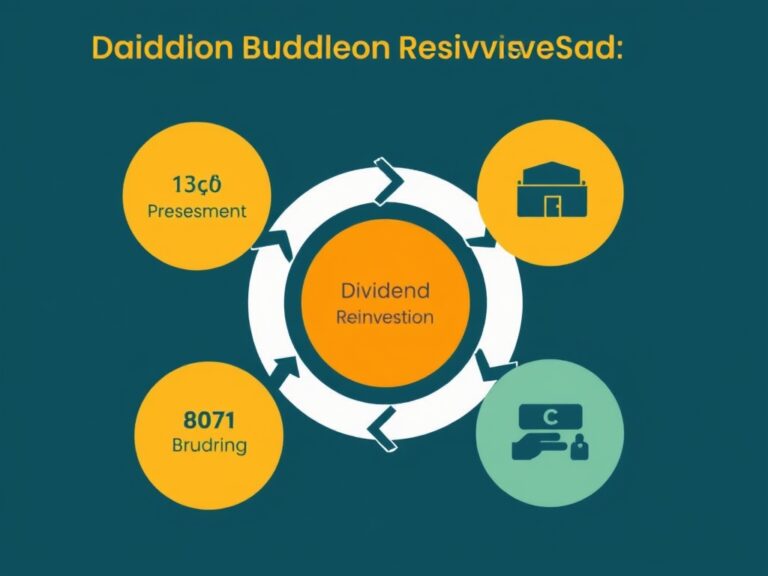
To truly accelerate your journey, you need to implement passive income strategies that allow your money to make more money even while you sleep. One of the most effective ways to do this is through Dividend Reinvestment Plans (DRIPs). When a company or fund pays you a dividend, a DRIP automatically uses that cash to buy more shares, increasing your ownership without you lifting a finger. Another great option for those with little capital is Real Estate Investment Trusts (REITs). REITs allow you to invest in commercial or residential real estate portfolios without the headache of being a landlord or needing a huge down payment. Beyond specific assets, you should master the strategy of Dollar-Cost Averaging (DCA). DCA involves investing a fixed amount of money at regular intervals, regardless of whether the market is up or down. This removes emotion from the equation and ensures you buy more shares when prices are low and fewer when prices are high. Here are some key habits for success:
- Automate your transfers so you never “forget” to invest.
- Avoid checking your portfolio daily to prevent panic selling.
- Reinvest every dividend to maximize the compounding effect.
By combining these passive strategies with index funds and tax-advantaged accounts, you create a robust financial engine. Remember, the goal is not to get rich quick, but to build a sustainable system for long-term success. Your future self will thank you for the discipline and foresight you are showing today by starting small but thinking big.