
How to Start Investing with Little Money: A Beginner Guide to Index Funds, IRAs, and Passive Income Strategies
Start Your Wealth-Building Journey Today
Many beginners believe you need thousands of dollars to start investing, but that is simply a myth. You can begin building your financial future with as little as $10 or $50, thanks to the accessibility of modern trading platforms. The secret isn’t having a fortune; it is all about consistency and the power of compound interest. When you start early, your money has more time to grow, snowballing into a significant nest egg over time. Think of investing as planting a seed that requires small, regular watering to grow into a sturdy oak tree. In this guide, we will break down the essential steps to get you moving toward financial freedom. We will look at low-cost index funds, tax-advantaged IRAs, and simple strategies to build passive income. You don’t need a degree in finance to make your money work for you, just a bit of patience and a solid plan. Are you ready to stop letting your money sit idle in a low-interest savings account? Let’s dive into how you can start investing with confidence, even if your budget is currently tight.

The Magic of Index Funds for Beginners
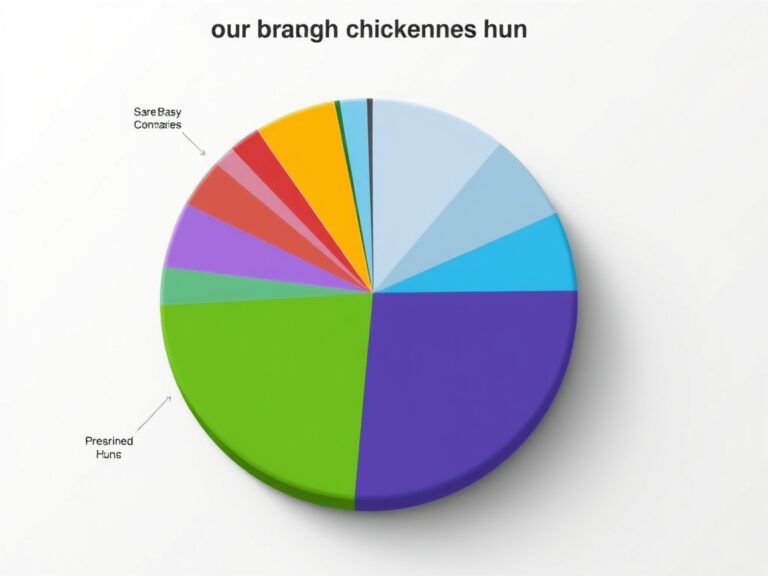
If you are wondering where to put your first few dollars, index funds are often the best starting point for any beginner. An index fund is essentially a basket of stocks that tracks a specific market index, like the S&P 500, offering instant diversification. Instead of trying to pick the ‘next big stock’—which is risky and difficult—you own a small piece of hundreds of top-tier companies. This approach significantly reduces your risk because you aren’t relying on one single business to succeed.
- Low expense ratios mean you keep more of your returns.
- Broad market exposure provides a safety net against volatility.
- Consistent buying helps smooth out market fluctuations over time.
Many index funds allow you to start with very small amounts, making them perfect for those just beginning their journey. Because these funds are passively managed, they usually have much lower fees than actively managed mutual funds. This cost-efficiency is a huge advantage for long-term investors looking to maximize their gains. By keeping your costs low and your exposure wide, you are setting yourself up for a much smoother and more profitable investing experience in the long run.
Tax-Advantaged Accounts: Why IRAs Matter
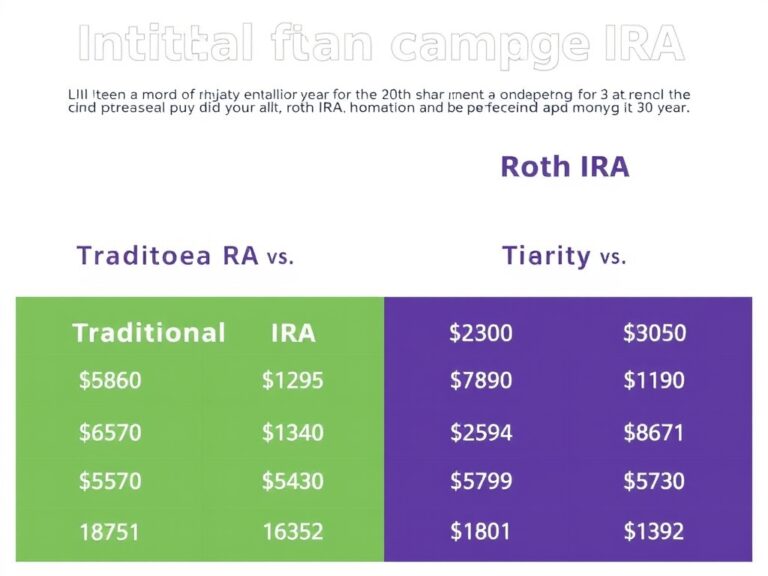
Once you have decided on your investment vehicle, you need to consider where to hold your money to maximize your gains. IRAs (Individual Retirement Accounts) are powerful tools designed by the government to help you save for the future while paying less in taxes. You can choose between a Traditional IRA, which may offer immediate tax deductions, or a Roth IRA, which offers tax-free withdrawals in retirement. For young investors, the Roth IRA is often a favorite because your money grows tax-free for decades. Even if you can only contribute $20 a month, setting up an automatic transfer to an IRA creates a disciplined habit.
- Roth IRAs allow your investment gains to grow entirely tax-free.
- Traditional IRAs can help lower your taxable income today.
- Start early to take full advantage of long-term tax compounding.
Remember that these accounts have specific contribution limits, but for beginners, the most important goal is simply starting. By utilizing these tax-advantaged vehicles, you are essentially getting a ‘bonus’ return on your money by saving on taxes. It is one of the smartest ways to keep more wealth in your pocket as you move toward your retirement goals.
Building Passive Income Strategies for the Future
Passive income is often the ultimate dream for investors, and you don’t need a million dollars to start creating it. While index funds provide long-term capital appreciation, you can also explore dividend-paying stocks or Real Estate Investment Trusts (REITs) to generate regular cash flow. Dividend investing involves buying shares of companies that pay out a portion of their profits to shareholders, effectively paying you for owning the stock. You can then reinvest those dividends to purchase more shares, which creates a powerful cycle of exponential growth.
- Dividends provide a steady stream of income regardless of market prices.
- REITs allow you to invest in real estate without being a landlord.
- Reinvesting dividends is a key driver of long-term portfolio growth.
Even small monthly payouts can be reinvested to buy fractional shares, slowly increasing your ‘income machine’ over time. The goal here is to shift your mindset from merely saving money to building assets that generate their own value. As you continue to contribute and reinvest, you will find that your portfolio begins to pay for itself, providing a sense of security and freedom. Keep your focus on long-term growth, stay consistent with your contributions, and watch as your passive income streams begin to flourish and support your financial independence goals.