
How to Start Investing with Little Money: The Ultimate Guide to Index Funds, Roth vs Traditional IRAs, and Passive Income Strategies for Long-Term Growth
Start Your Wealth-Building Journey Today
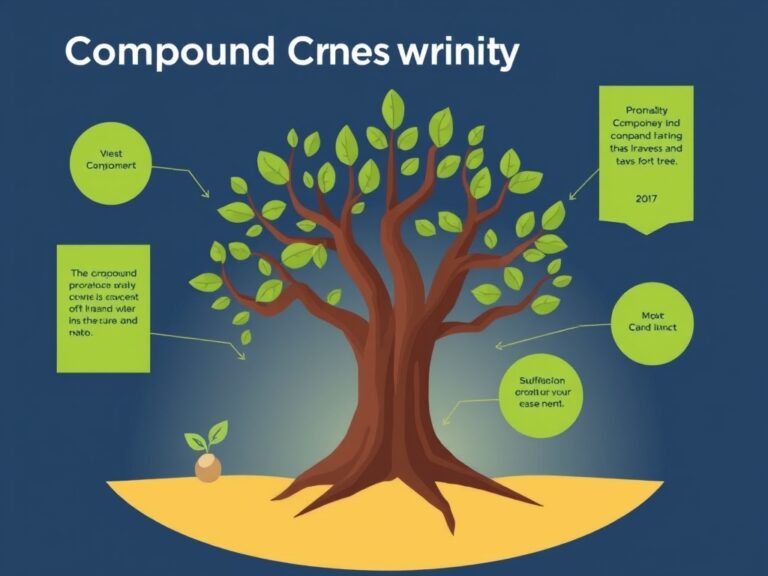
Have you ever felt like you need a mountain of cash just to start investing? Think again! The truth is, the most important asset you have isn’t your current bank balance—it’s time. By starting small with as little as $10 or $50, you can harness the incredible power of compound interest to build significant long-term growth. Investing isn’t just for Wall Street elites; it is a fundamental tool for everyone aiming to secure their financial future. In this guide, we will break down the barriers to entry and show you exactly how to make your money work for you. Whether you’re paying off debt or saving for a dream home, small, consistent contributions are the secret sauce.
- Small contributions add up
- Time is your greatest ally
- Compound interest does the heavy lifting
Don’t wait for a ‘perfect’ time; the best time to start was yesterday, and the second-best time is right now. Let’s demystify the markets and set you on a path to financial freedom with strategies that actually work for beginners.
Mastering Index Funds: Your Gateway to the Market
If you are wondering where to put your money, Index Funds are often the best starting point for novice investors. Unlike trying to ‘pick stocks’ like a professional trader, an index fund allows you to own a tiny piece of hundreds of companies at once. This inherent diversification significantly reduces your risk because you aren’t betting the house on a single business. Many popular index funds, like those tracking the S&P 500, have low expense ratios, meaning you keep more of your earnings.
- Low fees mean higher net returns
- Instant diversification across industries
- Passive management styles save you time
You don’t need to spend hours analyzing quarterly reports; you can simply ‘set it and forget it.’ By tracking the overall market, these funds have historically outperformed many actively managed portfolios over the long run. Embracing this strategy allows you to participate in global economic growth without the stress of daily price fluctuations. It is truly the gold standard for those who want to invest wisely while enjoying their lives.

Roth vs. Traditional IRAs: Which Tax Shield Is For You?
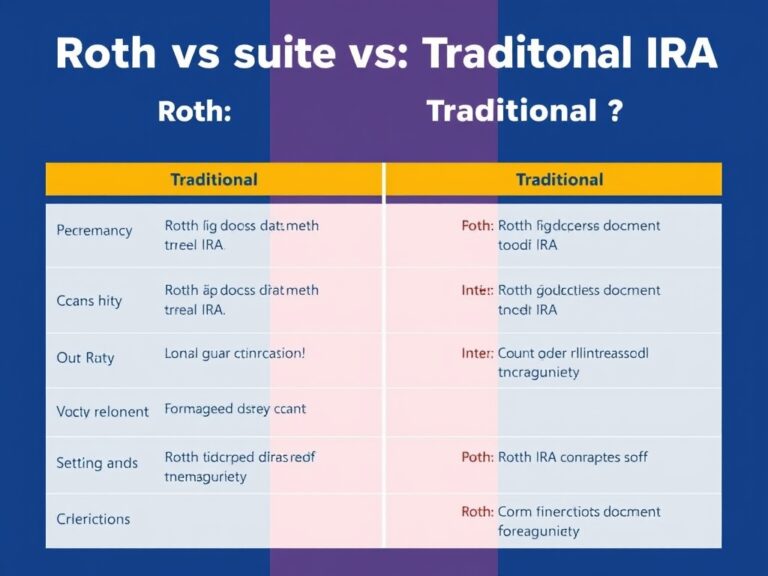
Choosing the right ‘container’ for your investments is just as important as the investments themselves. Individual Retirement Accounts (IRAs) are powerful tax-advantaged tools that help you save for the future, but you need to understand the difference between the two main types. A Traditional IRA offers an immediate tax break now because contributions are often tax-deductible, but you will pay taxes when you withdraw the money in retirement. In contrast, a Roth IRA requires you to pay taxes on your contributions today, but the massive benefit is that your money grows tax-free, and you pay zero taxes on withdrawals later.
- Traditional: Tax break today, taxes later
- Roth: Pay taxes today, tax-free growth forever
- Income limits may affect eligibility
Deciding between these two depends largely on whether you think your tax rate will be higher or lower in the future. For younger investors or those just starting their careers, a Roth IRA is often the preferred choice to maximize long-term tax-free gains. Consider your current income and tax bracket to make the decision that aligns with your ultimate financial goals.
Building Passive Income for Long-Term Growth
Finally, let’s talk about the ultimate goal: creating streams of passive income that sustain you for years to come. Investing shouldn’t be a source of stress; it should be a background process that generates wealth while you sleep. By consistently reinvesting dividends from your index funds, you trigger a ‘snowball effect’ where your earnings start to earn their own earnings. This is the cornerstone of building generational wealth and achieving true financial independence.
- Automate your contributions
- Reinvest all dividends automatically
- Maintain a long-term mindset
You don’t need a complex strategy to succeed; you need discipline, patience, and a commitment to your plan. Stay consistent during market downturns, and resist the urge to panic-sell when the headlines get scary. Remember, you are building an empire one small contribution at a time, and the long-term rewards are well worth the effort. Stay focused on your goals, keep your costs low, and watch as your modest investments transform into a robust financial safety net.