The Ultimate Guide to Investing for Beginners: How to Build Wealth with Little Money, Choose Index Funds, and Master Passive Income Strategies
Start Your Journey: Building Wealth from Scratch
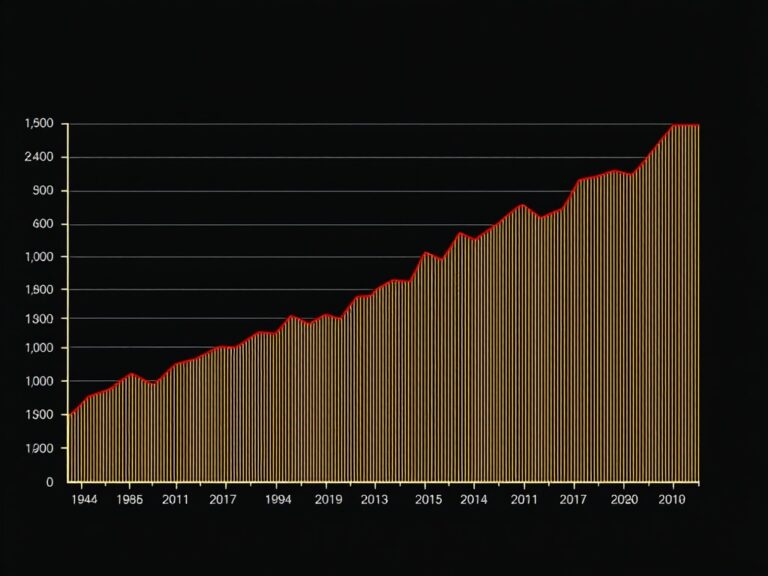
So, you want to start investing but feel like you don’t have enough money to get the ball rolling? You are definitely not alone, and the good news is that you don’t need a fortune to build a significant financial future. Consistency is far more powerful than having a massive lump sum upfront. When you start with just a few dollars, you are tapping into the magic of compound interest, which acts like a snowball rolling down a hill—the further it goes, the larger it gets. Imagine being able to grow your wealth while you sleep or go about your daily life. It is not about timing the market; it is about time in the market. Even $50 a month can turn into a substantial nest egg if you stick with it for the long term. This guide is designed to strip away the jargon and give you actionable steps to gain financial independence. We will explore how to start small, stay disciplined, and watch your assets flourish over time. Let’s demystify the world of finance together, starting right here, right now.

Decoding Index Funds: The Smart Investor’s Best Friend
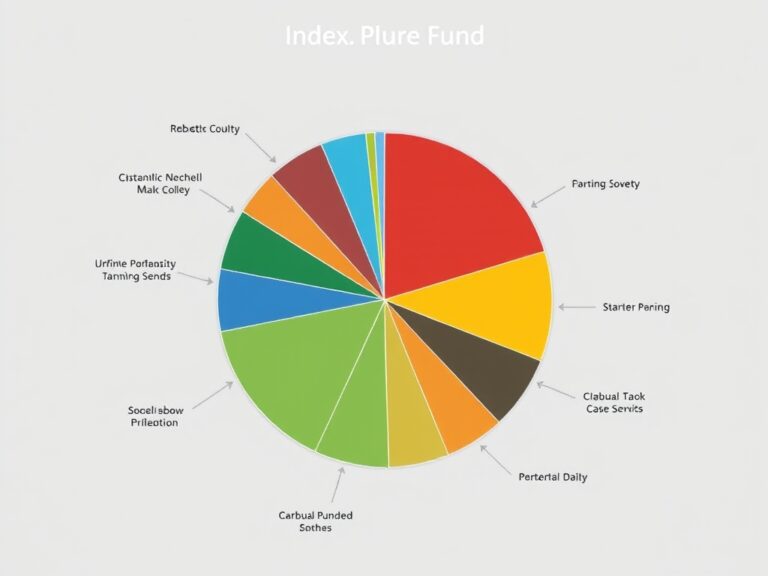
When you hear people talk about the stock market, it often feels like a high-stakes casino, but index funds offer a much smarter, lower-stress alternative. Think of an index fund as a diverse basket of stocks that mirrors a specific market index, like the S&P 500. By purchasing a single share of an index fund, you instantly own a tiny piece of hundreds of the top companies in the world. This strategy provides instant diversification, which protects you from the risk of one company failing. Why spend hours picking individual stocks when you can simply buy the entire market? Most expert investors advocate for these funds because they consistently outperform high-fee, actively managed portfolios over the long run. They are perfect for beginners because they are low-cost, easy to manage, and require very little maintenance. You won’t need to check your phone every five minutes to see if your portfolio is crashing. Instead, you can set up automatic investments and focus on your career or personal life. It is truly the ‘set it and forget it’ approach to building real wealth.
Mastering Passive Income Strategies for the Long Haul
Once your index funds are humming along, it is time to think about passive income strategies to accelerate your journey to financial freedom. Passive income isn’t about getting rich overnight; it is about creating systems that pay you repeatedly for work you did once. This includes things like
- Dividends from stocks
- Real estate investment trusts (REITs)
- High-yield savings accounts
- Automated digital products
When you reinvest your dividends, you are supercharging your compounding machine. Another key tactic is ensuring you maximize any employer-sponsored retirement plans, especially if there is a company match, because that is essentially free money. You should also consider keeping your debt low, as high-interest credit card debt is the enemy of all wealth-building efforts. By cutting unnecessary expenses and automating your savings, you create a buffer that allows you to invest more consistently every single month. Remember, the goal is to make your money work harder for you than you work for it. Over time, these small streams of passive income can swell into a river that covers your living expenses and provides true security.
Staying the Course: Consistency is Your Greatest Asset
The final and most important lesson is simple: stay the course even when the market gets bumpy. You will see headlines about market crashes or economic downturns, and your natural instinct might be to panic and sell your investments. However, seasoned investors know that market volatility is a normal part of the process, and historically, the market has always recovered. If you sell when prices are low, you lock in losses; if you keep buying during those dips, you are effectively buying your favorite assets on sale. Your strategy should be built on a foundation of long-term goals rather than short-term emotions or news cycles. Keep your asset allocation balanced and periodically check your portfolio to ensure it still aligns with your risk tolerance. It is also helpful to surround yourself with educational resources and keep learning about personal finance to stay motivated. Building wealth is a marathon, not a sprint, and your dedication will pay off in the form of total financial independence. You have all the tools you need to succeed, so take the first step today and start building your bright financial future!