The Complete Beginner’s Guide to Wealth Building: Investing Small Amounts, Choosing Index Funds, Retirement Accounts, and Passive Income Strategies
Start Your Journey: Wealth Building 101
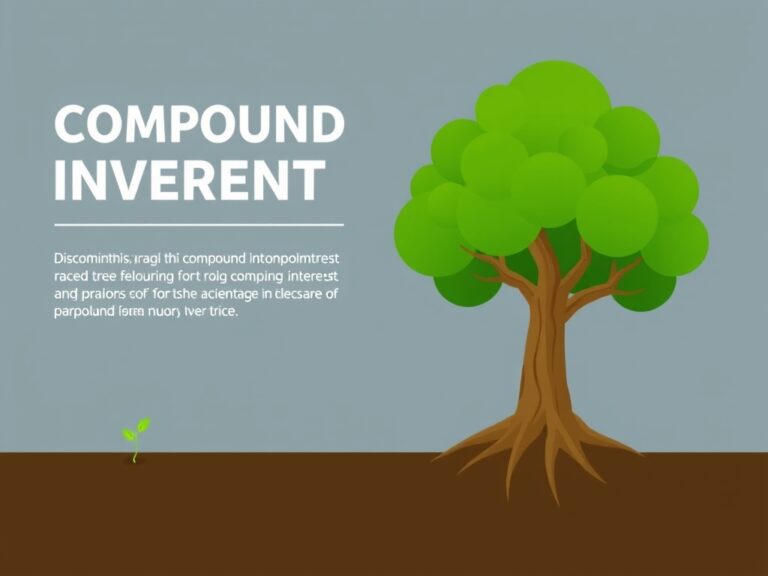
Building wealth isn’t just for the ultra-rich; it is a systematic journey that anyone can start today with even the smallest amount of money. Compound interest is your best friend, acting like a snowball that grows larger the longer it rolls down the hill. You might think, ‘I only have $50 to spare,’ but consistency is the secret sauce that transforms those small contributions into a significant nest egg over time. Instead of waiting for a massive windfall, focus on micro-investing and building the habit of paying yourself first every single month. Consider this your roadmap: we are moving from saving pennies to mastering financial freedom through smart, calculated moves. Whether you are aiming for early retirement or simply want a safety net, the principles of wealth building remain universal. It starts with a mindset shift—viewing every dollar not as something to spend, but as a seed to plant. Are you ready to take control of your financial future and let your money work as hard as you do?
The Power of Index Funds and ETFs
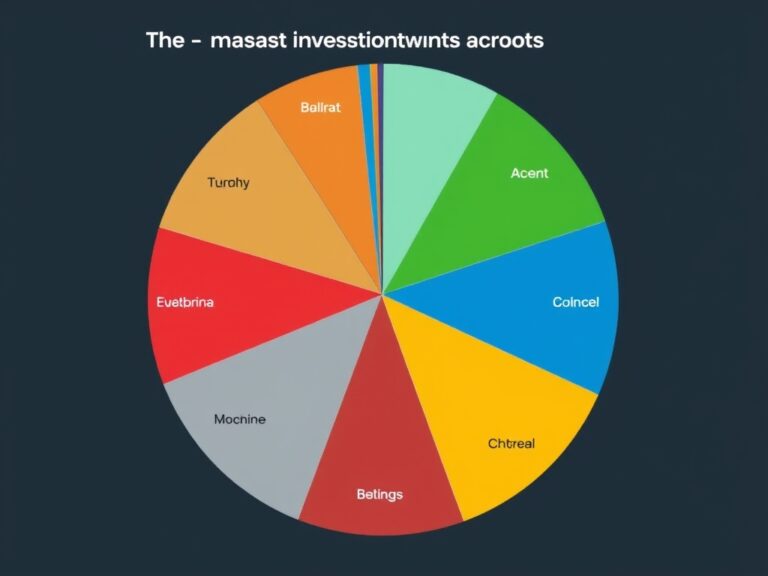
When you are just starting, you do not need to be a Wall Street stock picker; in fact, the most successful investors keep it simple by using Index Funds. These funds allow you to own a tiny slice of hundreds of companies at once, which provides instant diversification and lowers your risk. Think of it as buying a basket of fruit rather than betting on a single, bruised apple that might rot tomorrow. By tracking a broad market index like the S&P 500, you capture the overall growth of the economy without needing to research individual stocks for hours.
- Low Fees: Index funds are notoriously cheap compared to actively managed funds.
- Diversification: You spread your risk across various sectors and industries.
- Passive Growth: You don’t have to watch the ticker tape every single day.
This is the core of a ‘set it and forget it’ strategy that works for millions of retail investors. Even with small amounts, you can purchase fractional shares or use platforms that allow low-minimum entries to get your capital into the market immediately.
Optimizing Retirement Accounts for Growth
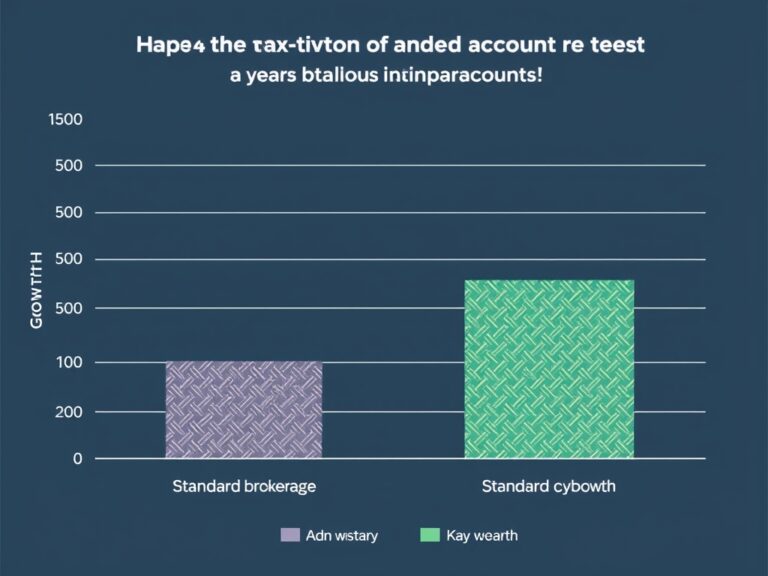
To truly accelerate your wealth, you must take advantage of tax-advantaged retirement accounts like the 401(k) or the Roth IRA. These vehicles are essentially the ‘secret tunnels’ of the finance world, allowing your money to grow either tax-deferred or tax-free. If your employer offers a 401(k) match, that is guaranteed return on investment—do not leave that free money on the table! A Roth IRA is a personal favorite for beginners because you contribute post-tax dollars, meaning your withdrawals in retirement are entirely tax-free. It is important to understand the hierarchy of saving: 1. Get your employer match first. 2. Maximize your Roth IRA contributions. 3. Look into a traditional brokerage account for extra savings. By structuring your finances this way, you minimize the amount that the government takes from your potential gains. Remember, time in the market beats timing the market every single time, so get those funds moving as early as possible.
Creating Sustainable Passive Income
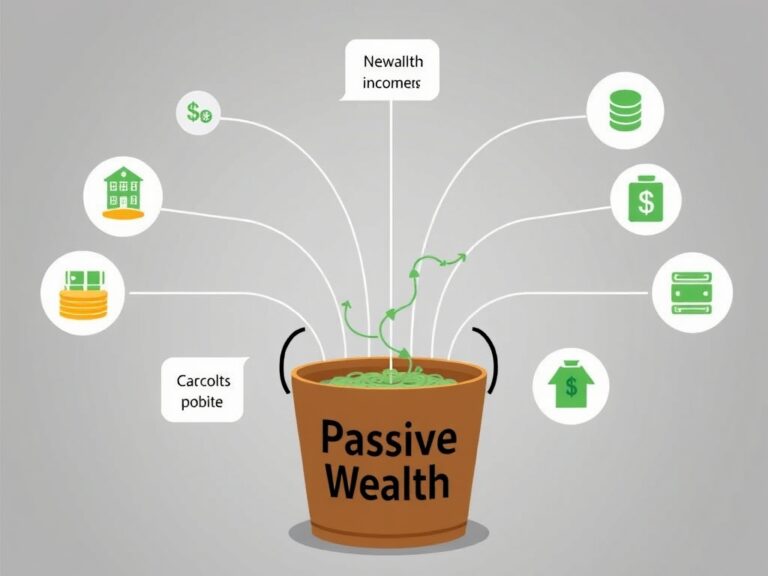
Once your investment engine is running, the final piece of the puzzle is cultivating passive income streams to supplement your lifestyle. Passive income does not mean ‘zero work,’ but rather creating assets that pay you while you sleep, such as dividend stocks, high-yield savings accounts, or even digital products. The goal is to reach a point where your passive cash flow covers your basic expenses, giving you the ultimate flexibility in life. Consistency is paramount—reinvesting your dividends back into your index funds creates a virtuous cycle of compounding. Consider these three pillars for your passive income foundation:
- Dividend Stocks: Companies that share profits with their shareholders.
- High-Yield Savings: A safe place for your emergency fund that earns more than traditional banks.
- Asset Allocation: Balancing your portfolio to ensure long-term stability and growth.
By diversifying your income, you protect yourself against market downturns and create a life of true freedom. Stay patient, keep your eyes on the long-term goal, and celebrate the small milestones along your wealth-building path!