Your Beginner’s Guide to Investing: Start with Little, Choose Index Funds, Compare IRAs, Find Passive Income & Master Investment Timelines
Start Your Journey: Investing With Little Capital
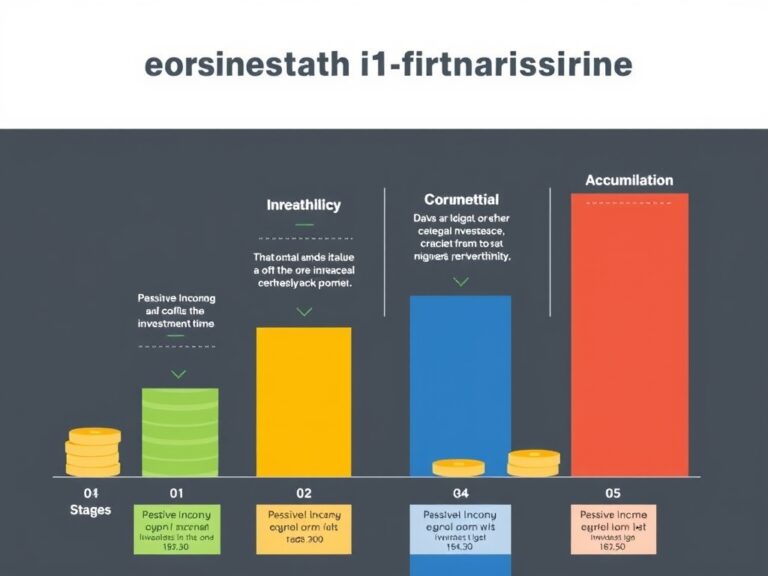
Many beginners feel like they need a small fortune to start investing, but that is simply a myth in today’s financial landscape. You can start with as little as $5 or $10 using modern apps that offer fractional shares, making the market accessible to everyone. The most important asset you have is time, not just the initial amount of cash you deposit. By starting small and remaining consistent, you allow the powerful engine of compound interest to work in your favor over the long haul. Think of it like planting a tree; the best time to start was yesterday, and the second-best time is right now. You don’t need to be a Wall Street pro to build wealth; you just need to be disciplined. Even a modest monthly contribution can grow significantly if left untouched for decades.
- Start small with fractional shares
- Automate your deposits
- Focus on consistency over quantity
- Watch your wealth compound
Don’t let the fear of ‘not having enough’ keep you on the sidelines any longer. Your future self will thank you for taking these first, seemingly tiny steps today.
Why Index Funds Are Your Best Friend
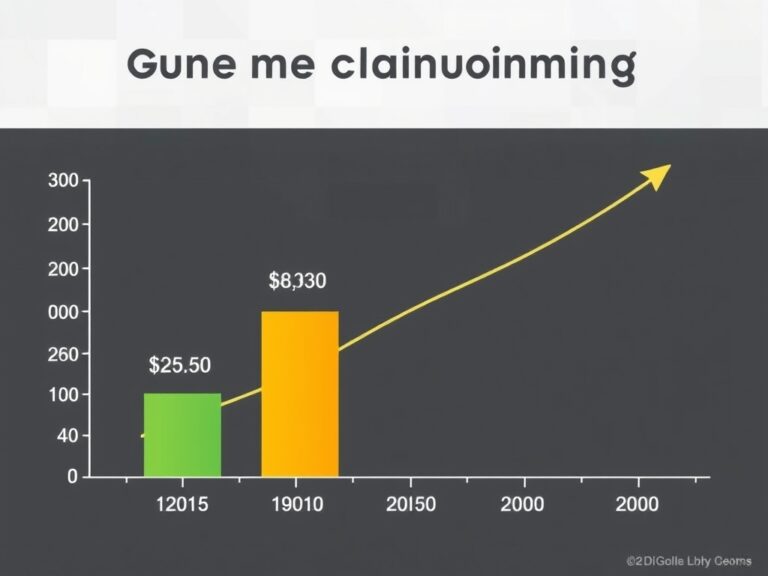
When you are just starting out, picking individual stocks can feel like trying to find a needle in a haystack while blindfolded. Index funds are the ultimate solution for the average investor because they offer instant diversification by tracking an entire market index, like the S&P 500. By buying one share of an index fund, you are essentially owning a tiny piece of hundreds of top-tier companies simultaneously. This strategy drastically reduces your risk compared to betting on a single firm that could go bankrupt. Low fees are another massive advantage of index funds, as they are typically passively managed and don’t charge the high commissions found in actively managed mutual funds. Over time, those saved fees stay in your pocket and contribute to your overall returns. Many experts agree that for 99% of investors, index funds outperform active stock picking.
- Broad market exposure
- Lower expense ratios
- Reduced volatility risk
- Set-it-and-forget-it convenience
Simply put, you are buying the ‘whole haystack’ rather than hunting for that elusive needle. This approach keeps your strategy simple, efficient, and highly effective for long-term growth.

Compare IRAs: Traditional vs. Roth
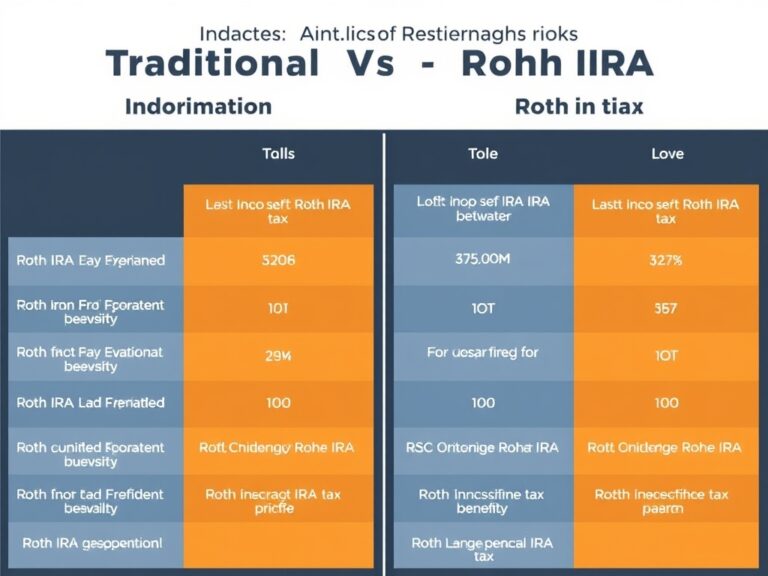
Understanding where to park your money is just as important as choosing what to buy, and that’s where Individual Retirement Accounts (IRAs) come into play. The two primary contenders are Traditional and Roth IRAs, and the best choice often depends on your current tax bracket. A Traditional IRA allows you to deduct your contributions from your taxes now, meaning you pay taxes only when you withdraw the money in retirement. Conversely, a Roth IRA requires you to pay taxes on the money upfront, but your investments grow tax-free, and you pay zero taxes upon withdrawal. If you expect to be in a higher tax bracket later in life, the Roth is often the superior long-term vehicle.
- Traditional: Tax deduction today
- Roth: Tax-free growth and withdrawals
- Contribution limits apply to both
- Early withdrawal penalties exist
You should research your current income level and future goals to decide which tax treatment suits your unique situation best. Regardless of the one you pick, contributing to an IRA provides massive tax advantages that standard brokerage accounts simply cannot match. It’s a smart move to maximize these government-sanctioned tax shelters every single year.
Mastering Timelines and Passive Income
Successful investing isn’t about getting rich quick; it is about mastering your investment timeline and patience. Your timeline dictates your risk tolerance; if you are 25, you can handle market swings, but if you are 60, you might want to shift toward bonds. Passive income is the golden goal, where your money works for you through dividends, interest, or capital gains without you lifting a finger. To reach this stage, you must stay the course even when the headlines are scary or the market is dipping. If you panic and sell during a downturn, you lock in losses that you could have avoided by just staying invested. Remember that every market crash in history has eventually been followed by a recovery period.
- Align investments with your age
- Reinvest all dividends
- Avoid emotional decision-making
- Stay invested for the long term
By focusing on the horizon rather than today’s stock price, you transform from a reactive speculator into a proactive investor. Build your foundation, automate your habits, and let time do the heavy lifting while you live your life.