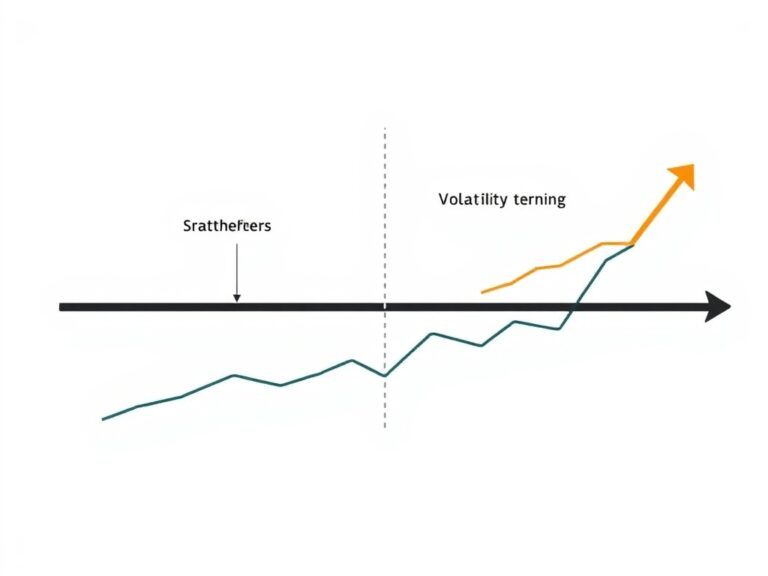
Investing for Beginners: Start Small, Best Index Funds, Roth vs Traditional IRA, Passive Income & Long vs Short Term Growth
Welcome to the exciting world of investing for beginners, where the goal is to make your money work as hard as you do! Many people feel intimidated, thinking they need a fortune to start, but the secret is to start small and build momentum over time. By investing even a few dollars a week, you harness the power of compound interest, which Einstein famously called the eighth wonder of the world. Modern technology has made it easier than ever to enter the market with micro-investing apps that allow for fractional shares. You don’t need to be a financial wizard to understand that consistent contributions lead to massive long-term results.
- 🚀 Start with what you have.
- 📈 Automate your savings.
- ⏳ Focus on the long game.
It is much better to begin today with $50 than to wait five years to start with $5,000. Time is the most valuable asset you have in the market, so don’t let it slip away while you wait for the ‘perfect’ moment. Think of your portfolio as a garden that needs regular watering and patience to bloom into something life-changing. Educational resources and low-cost tools are now at your fingertips, making this the best era in history to grow wealth. Are you ready to take that first step toward your financial future? Let’s dive deeper into the specific strategies that can help you succeed without the stress.

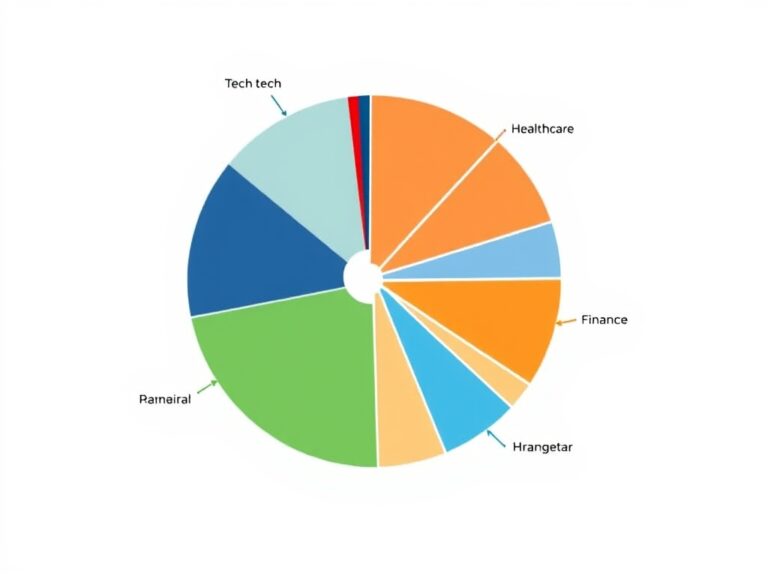
One of the most effective ways to build wealth without constant stress is by choosing the best index funds for your portfolio. An index fund is essentially a basket of stocks that tracks a specific market segment, like the S&P 500, giving you instant diversification. This approach is perfect for generating passive income because many of these funds pay out dividends regularly. Instead of trying to pick the next ‘hot’ stock, you are betting on the growth of the entire economy, which has historically trended upward.
- 📉 Lower management fees.
- 🛡️ Reduced risk through diversification.
- 📊 Consistent historical returns.
Many experts recommend these funds because they consistently outperform most actively managed portfolios over the long run. You won’t have to spend hours analyzing balance sheets or watching the news for market shifts. By reinvesting your dividends, you create a snowball effect that accelerates your wealth accumulation significantly. It’s a ‘set it and forget it’ strategy that allows you to live your life while your money grows in the background. Remember that consistency is key, as market fluctuations are normal and shouldn’t scare you away from your plan. Low-cost index funds are the foundation of many successful retirement plans and are highly recommended for any beginner. They provide a simple, transparent, and proven way to reach your financial milestones.
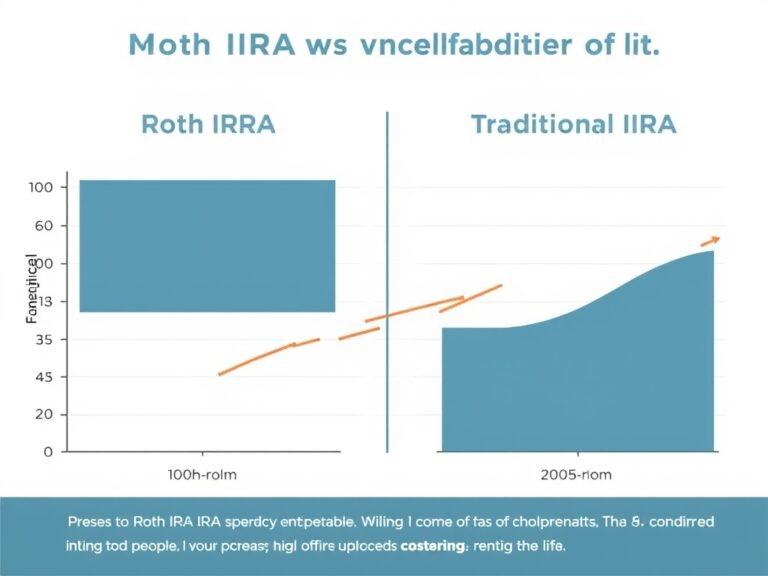
When it comes to retirement, choosing between a Roth vs Traditional IRA is one of the most important decisions you will make. A Traditional IRA typically offers an immediate tax break because your contributions may be tax-deductible in the year you make them. However, you will eventually pay income tax on the money when you withdraw it during your retirement years. On the other hand, a Roth IRA is funded with after-tax dollars, meaning you get no tax break today, but your withdrawals are completely tax-free.
- 🏛️ Traditional: Pay taxes later.
- 💰 Roth: Pay taxes now.
Many beginners prefer the Roth IRA because they expect to be in a higher tax bracket in the future as their income grows. It’s an incredible feeling to know that every dollar of growth in your Roth account belongs entirely to you, not the government. You should also consider that Roth IRAs allow you to withdraw your original contributions at any time without penalty, providing a safety net. Both accounts are powerful tools for long-term growth, but they serve different tax strategies depending on your goals. Understanding these nuances early on can save you tens of thousands of dollars in future taxes. Don’t let the technical terms scare you; the goal is simply to choose the ‘bucket’ that best protects your hard-earned savings. Consult with a tax professional if you’re unsure, but the most important thing is simply to start contributing. Every contribution you make today is a gift to your future self.
Finally, mastering the balance between long vs short term growth is essential for a healthy and sustainable financial life. Long-term growth strategies focus on the horizon—think 10, 20, or even 40 years away—where you can afford to ride out the market’s volatility. Short-term growth, however, usually involves money you might need in the next year or two, requiring much safer and more liquid assets.
- 🏠 Short-term: High-yield savings or CDs.
- 🔭 Long-term: Stocks and index funds.
If you invest your house down payment in a volatile stock market, a sudden dip could delay your home purchase by years. Conversely, if you keep your retirement savings in a basic savings account, you lose out on the growth needed to beat inflation. Successful investors categorize their goals and allocate their assets accordingly to ensure they have cash when they need it. You must develop a high risk tolerance for your long-term accounts while remaining conservative with your emergency fund. This dual-track approach protects you from market crashes while still allowing you to capture the gains of the global economy. Passive income streams can also play a role in both strategies, providing cash flow that can be reinvested or spent. Always remember that investing is a personal journey, and your strategy should reflect your unique timeline and comfort level. By staying disciplined and focused on your objectives, you will navigate the complexities of the market with confidence.