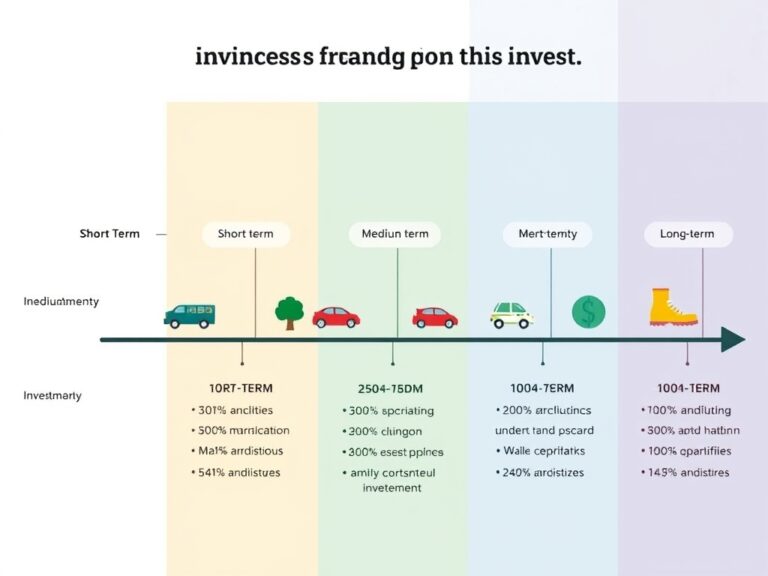
Investing for Beginners: Invest with Little Money, Best Index Funds, Roth vs Traditional IRA, Passive Income & Long-Term vs Short-Term Goals
🚀 Getting Started: How to Invest with Little Money
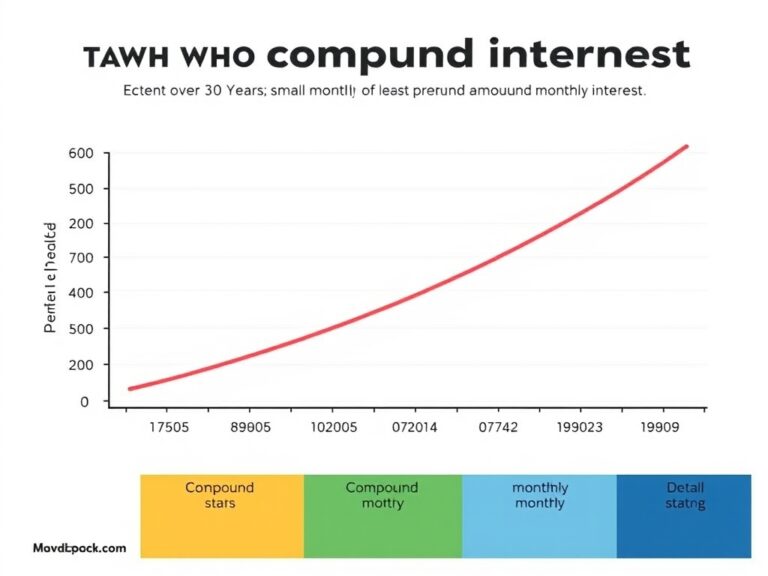
Starting your investing for beginners journey doesn’t require a fortune, even if popular media makes it seem like a playground for the wealthy. Today, you can literally start with the spare change from your morning coffee thanks to fractional shares and zero-commission apps. Invest with little money by focusing on consistency and the magic of compound interest, which rewards those who start early rather than those who start big. Think of your money like a small seedling; it needs time and regular watering to grow into a massive oak tree. By automating small contributions every payday, you remove the emotional stress of market timing and build a discipline that lasts a lifetime. Many beginners find success using “round-up” apps that invest the difference to the nearest dollar on every purchase. This low-barrier entry is perfect for building confidence while learning the ropes of the stock market. Don’t wait for a “perfect” amount to begin, because time in the market is far more valuable than timing the market. Consistency is the secret sauce that turns modest savings into a significant nest egg over time.
- Start small: Even $5 a week makes a difference.
- Automate: Set it and forget it.
- Stay patient: Wealth building is a marathon.
Remember, the goal is to get your money working for you as soon as possible. Even small sums, when invested in diversified assets, can balloon significantly over several decades. You are never too young or too “broke” to start taking control of your financial future.
📈 Picking Winners: The Best Index Funds for Beginners
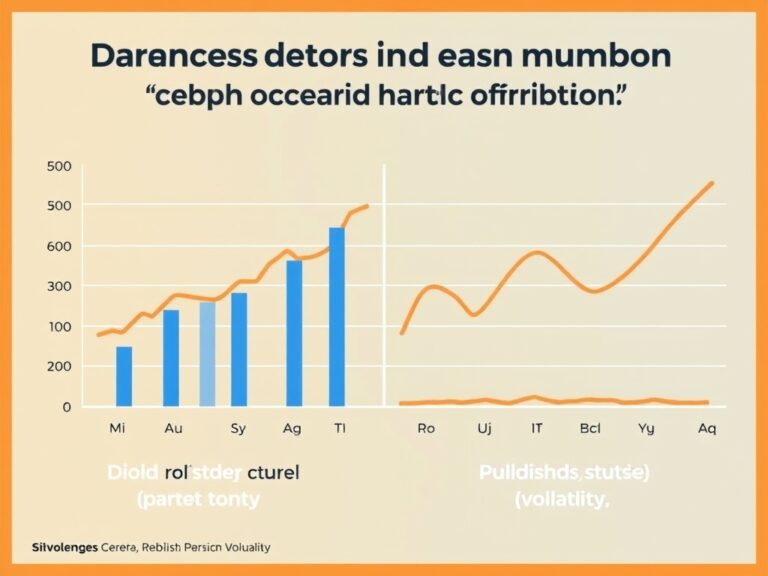
Once you’ve cleared the hurdle of starting, the next big question is: where do I actually put my money? For most beginners, the best index funds are the ultimate “set it and forget it” solution because they provide instant diversification across hundreds of companies. Instead of trying to pick a single winning stock like Apple or Tesla, an index fund allows you to own a piece of the entire market. This significantly lowers your risk because if one company underperforms, the others are there to balance the scales. Low expense ratios are the secret weapon here; funds like the Vanguard Total Stock Market (VTSAX) or the S&P 500 ETF (VOO) charge almost nothing to manage your money. By sticking to these broad-market funds, you’re betting on the long-term growth of the global economy rather than a single CEO’s performance. It’s an evidence-based strategy that has historically outperformed most professional fund managers over long periods. Keeping your costs low through these funds ensures that more of your returns stay in your pocket.
- VOO: Tracks the 500 largest US companies.
- VTI: Offers exposure to the entire US stock market.
- VXUS: Provides international diversification.
You should look for funds with expense ratios below 0.10% to maximize your gains. These funds are easily accessible through most brokerage accounts and form the backbone of a solid portfolio. Diversification is your best friend when it comes to long-term stability and peace of mind. Don’t overcomplicate your strategy; often the simplest approach is the most effective. Your goal should be to capture the market’s return while minimizing unnecessary fees and taxes.
🏦 Tax Strategy: Roth vs Traditional IRA Explained
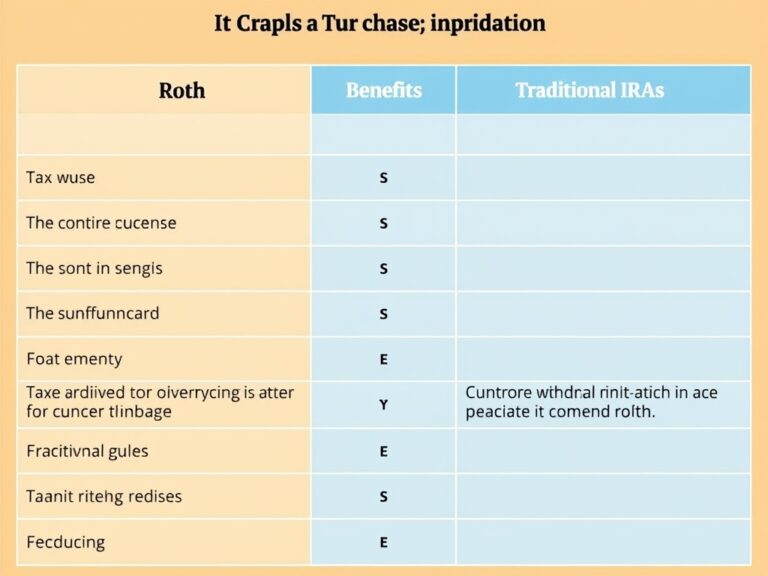
Choosing the right account type is just as important as choosing the right investment, particularly when comparing a Roth vs Traditional IRA. The primary difference boils down to when you want to pay the taxman: now or later. A Roth IRA is funded with after-tax dollars, meaning you don’t get a tax break today, but your withdrawals in retirement are 100% tax-free. On the flip side, a Traditional IRA might offer an immediate tax deduction, but you’ll owe income tax on every dollar you take out during your golden years. Most experts suggest that if you’re in a lower tax bracket now than you expect to be in retirement, the Roth is usually the winner. It’s also worth noting that Roth IRAs offer more flexibility, as you can often withdraw your original contributions without penalty if an emergency arises. However, the ultimate goal is to keep that money invested so it can grow exponentially over time.
- Roth IRA: Tax-free growth and tax-free withdrawals.
- Traditional IRA: Immediate tax deduction but taxed later.
- Contribution Limits: Be mindful of the annual caps.
Deciding between these two requires a bit of soul-searching regarding your future income projections. Either way, utilizing a tax-advantaged account is a non-negotiable step for long-term wealth building. Many people choose to hedge their bets by contributing to both types of accounts if they qualify. Understanding the rules for your specific situation is crucial to avoid unwanted penalties. Your choice today will have a massive impact on your spending power thirty years from now. Start contributing today to take full advantage of these government-sponsored wealth-building tools.
💰 Wealth Building: Passive Income & Goal Setting
To truly master your finances, you must distinguish between long-term vs short-term goals while building passive income streams. Short-term goals, like a vacation or a house down payment in three years, should generally stay in low-risk environments like high-yield savings accounts or CDs. Conversely, long-term goals like retirement are where you let your money run wild in the stock market to combat inflation. Passive income is the holy grail of investing, where your assets generate cash flow—like dividends or interest—without you lifting a finger. By aligning your portfolio with your specific timeline, you avoid the mistake of being too aggressive with money you need soon. Likewise, being too conservative with money you won’t touch for decades can lead to missed opportunities and lost purchasing power. Creating a balanced approach involves regular rebalancing to ensure your risk level stays appropriate as you age.
- Short-term: Focus on safety and liquidity.
- Long-term: Focus on growth and compounding.
- Passive Income: Reinvest dividends to grow your wealth.
Remember, the market will fluctuate, but a well-thought-out plan based on your personal timeline will keep you calm during the storms. Reinvesting your dividends is one of the easiest ways to build that passive income stream over time. Every dollar you invest today is a seed for a future where you don’t have to trade your time for money. Stay focused on the big picture, and your future self will thank you for the foresight you showed today. Investing is a marathon, not a sprint, so pace yourself and keep your eyes on the finish line.