Smart Investing for Beginners: Little Money, Top Index Funds, IRA Guide, Passive Income & Long-Term Growth
Hey there! If you have ever felt like the world of finance is a members-only club for the ultra-wealthy, I am here to tell you that is a total myth. Smart investing for beginners is not about having a million dollars; it is about starting exactly where you are with whatever you have in your pocket. Even if you only have little money to spare—say, the cost of a few lattes a month—you can begin building your financial empire today. Modern brokerage apps now allow for fractional shares, which means you can own a tiny piece of the world’s biggest companies for just a few dollars. The most important step in this journey isn’t the specific amount you invest, but the consistency with which you do it over time. By starting early, you give your money the greatest gift of all: the power of time. Think of your first few dollars as tiny seeds planted in a garden that will eventually grow to provide shade for your future self.
- Start small but stay incredibly consistent.
- Use apps that offer zero-commission trades to save on costs.
- Focus on building the habit rather than the initial balance.
Don’t let the fear of the unknown keep you on the sidelines because every day you wait is a day of lost growth. Remember, the best time to plant a tree was twenty years ago, and the second best time is right now. Let’s dive into how you can make your money work harder than you do!

Now that you are ready to start, let’s talk about where to actually put those hard-earned dollars, and my favorite starting point is top index funds. Instead of trying to find the ‘next big thing’ or a single winning stock, index funds allow you to buy a ‘basket’ containing hundreds of companies all at once. This diversification is your best friend because it protects your portfolio if one single company hits a rough patch or goes under. For example, an S&P 500 index fund tracks the 500 largest companies in the United States, giving you instant exposure to tech, healthcare, and energy giants. One of the biggest ‘pro tips’ in this IRA guide is to look specifically for funds with very low expense ratios. High management fees can eat away at your returns over several decades, so choosing low-cost providers like Vanguard or Fidelity is a total game-changer for your net worth.
- Index funds offer instant diversification for minimal effort.
- Lower fees mean more of the market’s returns stay in your pocket.
- They historically outperform most professional stock pickers over long periods.
It is a ‘set it and forget it’ strategy that actually works better than most complex trading methods. By choosing a total stock market fund, you are betting on the overall growth of the economy rather than a single CEO’s performance. It is simple, effective, and perfect for anyone looking for long-term growth without the stress of daily market monitoring.
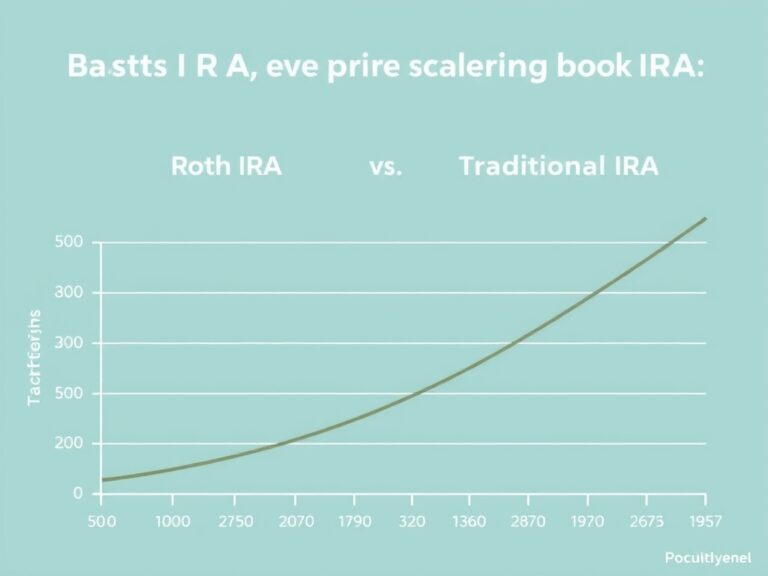
Let us get strategic about your taxes by looking at the incredible power of a Roth IRA versus a Traditional one. While a standard brokerage account is fine, using an IRA (Individual Retirement Account) provides massive tax advantages that can save you six figures in the long run. In a Roth IRA, you contribute money that has already been taxed, but the magic happens later: every penny you earn in capital gains and dividends is 100% tax-free when you withdraw it in retirement. Imagine growing a $50,000 investment into $500,000 and not having to give the government a single cent of that profit! Tax-free growth is the ultimate wealth-building hack for anyone starting with a modest budget. If you prefer an immediate tax break today, a Traditional IRA might be for you, but for most beginners, the Roth is often the ‘golden ticket’ to freedom.
- Roth IRAs offer tax-free withdrawals after you reach age 59 and a half.
- Traditional IRAs offer tax-deductible contributions to lower your current tax bill.
- Contribution limits are updated annually, so make sure you are maximizing your space.
It is essential to understand that an IRA is just a ‘bucket’ or a type of account, not the investment itself. Once you put money in the bucket, you still need to use that cash to buy your index funds or ETFs. Setting up an automatic monthly transfer to your IRA is the smartest move you can make this year!
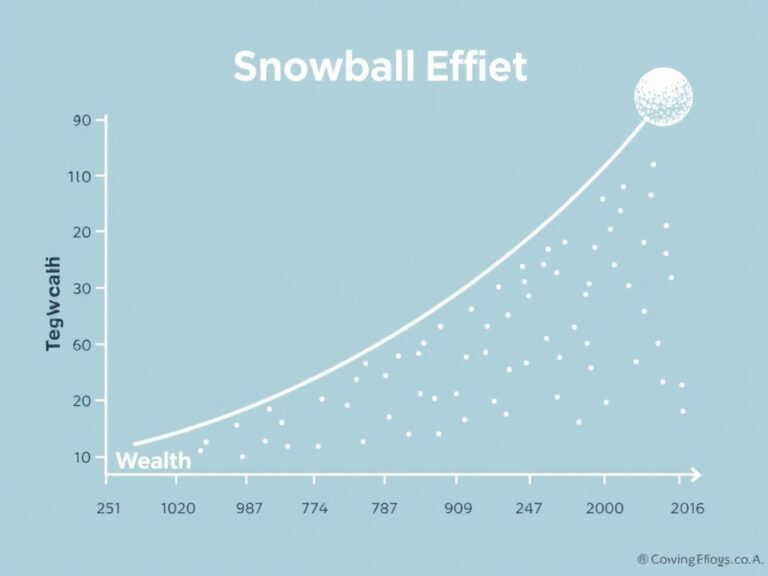
The ultimate goal for many of us is creating passive income, and consistent investing is the most reliable way to achieve that dream. When you own index funds or dividend-paying stocks, companies literally pay you a share of their profits just for owning a piece of them. By setting up a Dividend Reinvestment Plan (DRIP), those payments are automatically used to buy more shares, creating a powerful ‘snowball effect.’ Over time, your long-term growth accelerates because you are earning interest on your interest, which is the secret of the wealthy. This is how ordinary people build extraordinary wealth without ever needing a high-paying corporate job or a lottery win. Compound interest is often called the eighth wonder of the world for a reason—it does all the heavy lifting for you while you sleep.
- Reinvesting dividends significantly speeds up your wealth accumulation.
- Passive income provides a financial safety net for your future.
- Long-term thinking always beats short-term gambling in the stock market.
Stay disciplined during market downturns, as those periods are often the best times to buy more shares at a significant ‘discount.’ Focus on your long-term vision and do not let the scary daily news cycle tempt you into selling your assets. Your future self will thank you for the patience and grit you show today as you build your financial independence step by step.