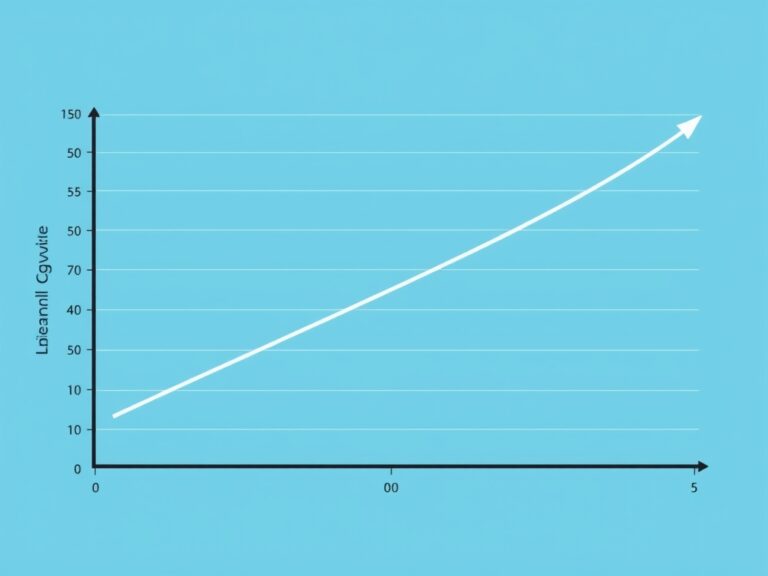
Beginner’s Guide to Investing: Start with Little Money, Best Index Funds, Roth vs. Traditional IRA, Passive Income, and Long vs. Short Term Strategies
Welcome to the exciting world of wealth building, where the biggest myth we need to bust right away is that you need a fortune to get started. Many beginners feel paralyzed because they think they need thousands of dollars, but the truth is that starting with little money is actually one of the smartest moves you can make. Thanks to modern technology and micro-investing apps, you can literally begin your journey with as little as $5 or the spare change from your morning coffee. By entering the market early, even with small amounts, you harness the incredible power of time, allowing your contributions to grow through the magic of compound interest. It is important to realize that consistency beats intensity every single time in the world of finance. You should consider setting up an automatic transfer to your brokerage account so that you are paying yourself first without even thinking about it. These small habits eventually lead to a massive psychological shift where you start viewing yourself as an owner rather than just a consumer.
- Lower barriers to entry mean anyone can be an investor today.
- Micro-investing platforms allow for purchase of fractional shares.
- Time is your greatest asset when you start with small sums.
Think of your initial small investments as seeds that will eventually grow into a massive financial forest if you are patient. Don’t wait for the “perfect” moment or a windfall of cash to arrive because that day might never come. Instead, take that first step today and watch how even the smallest contributions start to shift your mindset toward long-term wealth. This foundational step is all about building the habit of saving and investing, which is far more valuable than the actual dollar amount in the beginning. Once you see your first few dollars of growth, the motivation to contribute more will naturally start to take over.

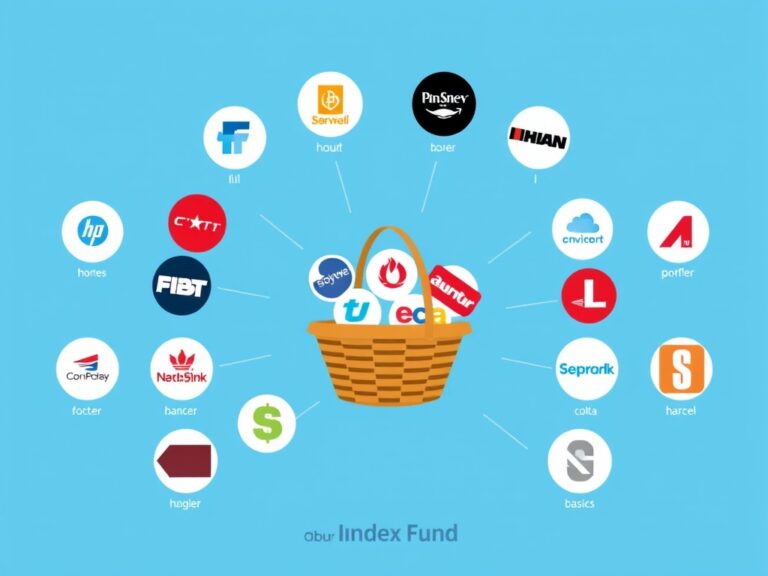
Once you have started, the next logical question is where to put your hard-earned money, and for most beginners, the answer lies in the best index funds available today. An index fund is essentially a basket of stocks that tracks a specific market segment, like the S&P 500, giving you instant diversification with a single purchase. Instead of trying to find the next “unicorn” stock, you are buying a small piece of the entire market’s success, which historically has been a winning strategy. These funds are famous for their low expense ratios, meaning you keep more of your returns rather than handing them over to expensive fund managers. Many experts, including Warren Buffett, often recommend these passive vehicles because they consistently outperform the majority of actively managed funds over long periods.
- Diversification reduces the risk of a single company failure ruining your portfolio.
- Index funds offer high liquidity and are very easy to trade.
- Passive management ensures that your investment fees remain extremely low.
When you invest in an index fund, you are essentially betting on the long-term growth of the economy rather than a single CEO’s performance. It is a “set it and forget it” approach that allows you to sleep soundly at night while your wealth grows steadily in the background. Understanding that you do not need to be a Wall Street whiz to succeed is incredibly liberating for many new investors. By choosing broad-market index funds, you ensure that your portfolio mirrors the resilience and innovation of the global market. You do not have to spend hours analyzing balance sheets when you own the whole market at once. This strategy effectively minimizes your risk while maximizing your exposure to the best-performing companies in the world.
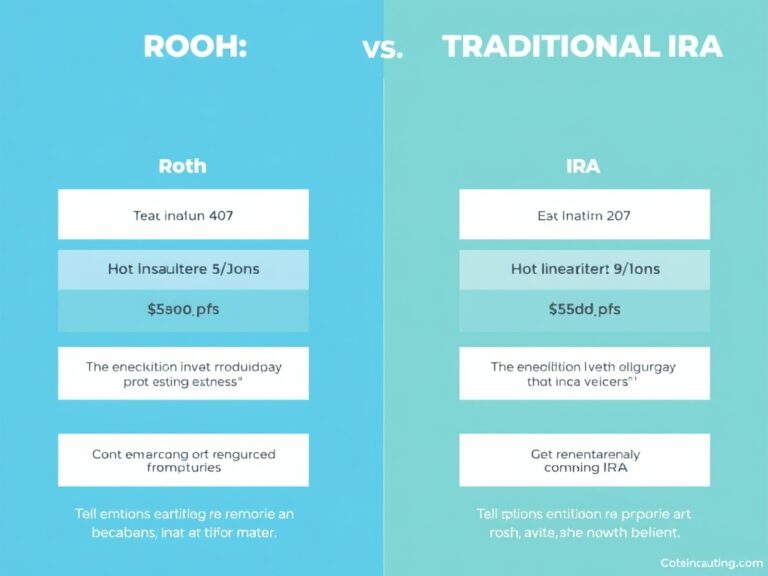
As you refine your strategy, you will need to decide on the best ‘wrapper’ for your investments, which brings us to the classic debate of Roth vs. Traditional IRA. A Traditional IRA offers an immediate tax break because your contributions are often tax-deductible, though you will pay income tax on withdrawals during retirement. On the flip side, a Roth IRA is funded with after-tax dollars, but the real magic happens later: your earnings and withdrawals are completely tax-free once you reach retirement age. Choosing between them usually depends on whether you think your tax bracket will be higher now or when you eventually stop working. Tax diversification is a concept many experts love because it gives you flexibility in how you manage your income in your golden years.
- Traditional IRAs provide immediate tax relief to help your budget today.
- Roth IRAs offer massive long-term tax savings on all capital growth.
- Both accounts have annual contribution limits set by the government.
It is generally wise to consult with a professional, but many young investors lean toward the Roth option because of the decades of tax-free growth they can accumulate. Regardless of which one you choose, the key is to utilize these tax-advantaged accounts to protect your gains from the IRS. Building a retirement nest egg requires a clear understanding of these vehicles so you are not left with a large tax bill later in life. Remember that these accounts are designed for the long haul, so early withdrawals can sometimes come with hefty penalties. Both options serve as a powerful foundation for your future financial security and independence. Getting started with either one puts you miles ahead of those who rely solely on social security for their retirement.
Finally, we need to talk about the destination: creating passive income and choosing between long vs. short term strategies. Short-term strategies, like day trading, often involve high risk and significant time commitment, which can be stressful and often unprofitable for beginners. Conversely, a long-term investment strategy focuses on holding assets for years or even decades, allowing you to ride out market volatility and benefit from historical upward trends. Passive income is the “holy grail” of investing, where your money generates more money through dividends, interest, or rental yields without you having to lift a finger.
- Dividends are regular payments made by companies to reward their shareholders.
- Compound growth accelerates significantly after the first decade of investing.
- Long-term capital gains taxes are usually much lower than short-term rates.
Achieving financial independence is less about timing the market and more about time in the market. You should aim to build a portfolio that creates a feedback loop of growth, where your returns are reinvested to buy even more shares. This transition from ‘labor-earned’ income to ‘capital-earned’ income is the fundamental shift that leads to true wealth. By staying focused on your long-term goals and ignoring the daily noise of the news cycle, you position yourself for ultimate success. Remember, investing is a marathon, not a sprint, so keep your eyes on the horizon and let your assets do the heavy lifting for you. The peace of mind that comes from a growing portfolio is far more valuable than any quick win in the market. Commit to your plan today and let the power of compounding turn your dreams into reality over time.