Investing 101: Start with Little Money, Best Index Funds, Roth vs Traditional IRA, Passive Income & Long-Term vs Short-Term Strategies
🚀 Getting Started: How to Invest Even with a Tight Budget
Welcome to the world of wealth building! Many beginners believe you need a fortune to start, but the truth is that micro-investing has changed the game forever. You can actually start your journey with as little as $5 or $10 thanks to fractional shares, which allow you to buy a small piece of expensive stocks like Amazon or Google. The most important thing isn’t the amount you start with, but the consistency of your contributions. By setting up an automated transfer of even a small percentage of your paycheck, you are prioritizing your future self through a concept known as ‘paying yourself first.’
- Start Small: Use apps that round up your spare change.
- Consistency: Set it and forget it with weekly contributions.
- Low Barriers: Most modern brokerages have zero account minimums.
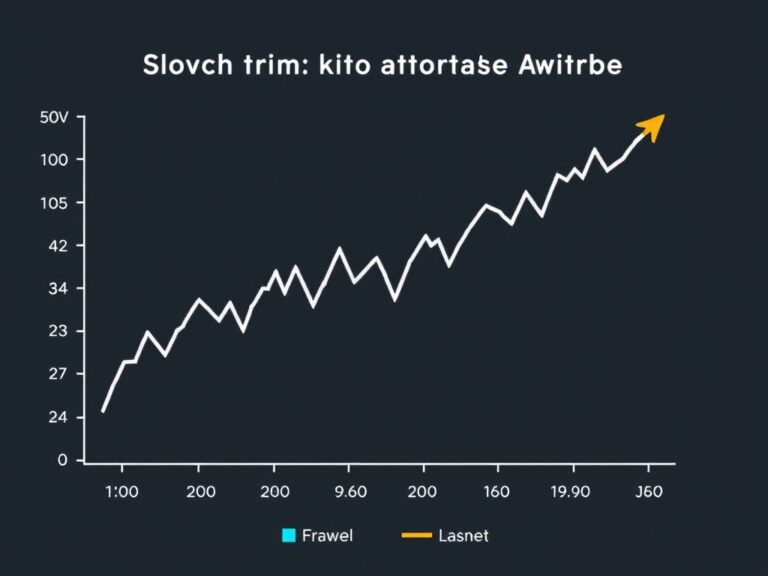
Investing is a marathon, not a sprint, and the earlier you begin, the more time you give your money to grow. Don’t wait for the ‘perfect’ moment or a massive raise because time in the market always beats timing the market. Every dollar you invest today is a seed that will grow into a massive tree over the coming decades. If you commit to a disciplined habit now, you’ll be light-years ahead of those who wait until they ‘have enough’ to start. Remember, the best time to plant a tree was twenty years ago; the second best time is today.

📈 The Power of Index Funds: The ‘Set It and Forget It’ Strategy
If you’re looking for the most reliable way to build long-term wealth without spending hours analyzing balance sheets, Index Funds and ETFs are your best friends. These funds act as a basket of stocks, giving you instant diversification across hundreds of companies like Apple, Microsoft, and Tesla. Instead of betting on one horse, you are betting on the entire track, which significantly lowers your individual company risk. Many experts recommend broad market funds like those tracking the S&P 500, which have historically returned an average of about 10% annually over long periods.
- Low Costs: Look for funds with low ‘expense ratios’ to keep more of your returns.
- Instant Diversity: Own a piece of the entire stock market with one purchase.
- Passive Management: You don’t need to be a pro because the fund follows the market.
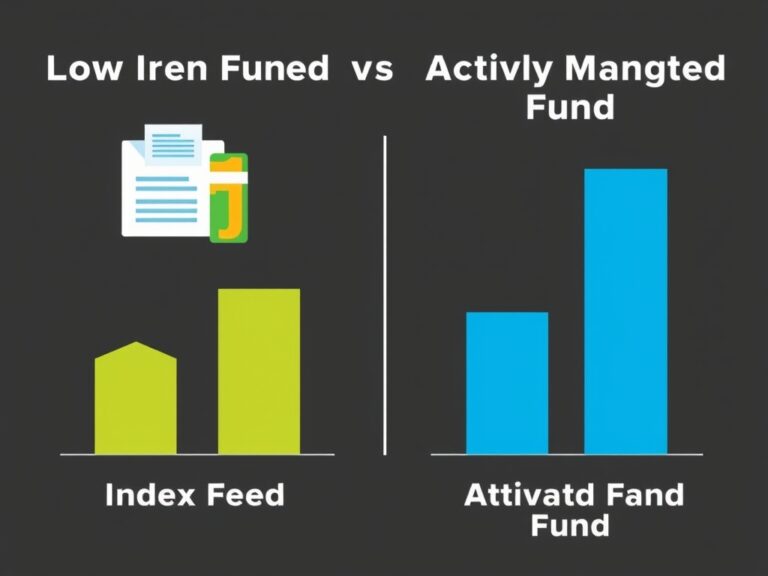
By choosing low-cost index funds, you avoid the high fees associated with actively managed mutual funds that often fail to beat the market anyway. It is an incredibly efficient way to gain exposure to the growth of the global economy. Whether you choose a Total Stock Market ETF or a specific sector fund, the goal is to keep your costs low and your diversification high. This approach allows you to sleep soundly at night knowing your portfolio is tied to the collective success of the world’s largest corporations. Over time, these small gains stack up to create a substantial financial cushion.
⚖️ Roth vs. Traditional IRA: Picking the Right Tax Shield
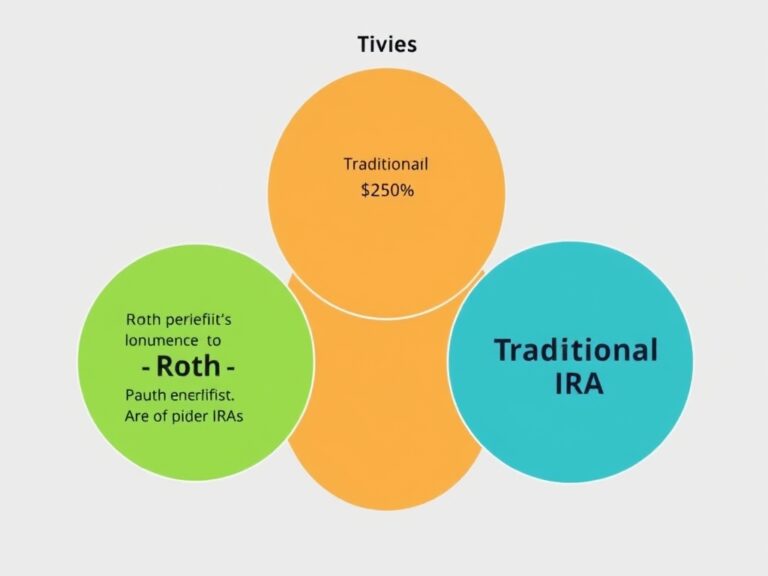
Understanding where to put your money is just as important as what you invest in, especially when it comes to taxes. A Roth IRA and a Traditional IRA are both powerful retirement accounts, but they treat your taxes very differently. With a Roth IRA, you contribute money that has already been taxed, meaning your investments grow tax-free and your withdrawals in retirement are also tax-free! On the flip side, a Traditional IRA often gives you a tax deduction today, but you will owe taxes on the money when you withdraw it during retirement.
- Roth IRA: Pay taxes now, enjoy tax-free growth and withdrawals later.
- Traditional IRA: Get a tax break today, pay taxes during retirement.
- Income Limits: Be aware that Roth IRAs have specific income eligibility rules.
Choosing between them usually depends on whether you think your tax bracket will be higher or lower in the future. If you are young and in a lower tax bracket now, the Roth IRA is often considered the ‘gold standard’ because of the massive tax savings on decades of growth. However, if you’re a high-earner looking for immediate relief on your tax bill, the Traditional IRA might be the better play. Both accounts have yearly contribution limits that you should strive to hit whenever possible to maximize your benefits. Ultimately, using either account is a smart move because they both provide significant advantages over a standard taxable brokerage account.
💰 Passive Income & Compounding: Making Money While You Sleep
The ultimate goal of investing for many is to reach a point where your money works harder for you than you work for your money. This is the essence of passive income, and it is largely driven by the phenomenon known as compound interest. When your investments earn a return, and then those returns earn their own returns, you experience an exponential ‘snowball effect’ that accelerates over time. One of the easiest ways to generate passive income in the stock market is through dividend-paying stocks or funds.
- Dividend Reinvestment (DRIP): Automatically use your dividends to buy more shares.
- The Snowball Effect: Small gains today lead to massive wealth in the future.
- Patience is Key: Compounding works best over long horizons like 20-40 years.
Albert Einstein famously called compound interest the ‘eighth wonder of the world’ because of its power to transform modest savings into millions. By reinvesting your dividends rather than spending them, you are constantly increasing the number of shares you own without adding more of your own cash. This cycle builds a self-sustaining engine of wealth that can eventually cover your living expenses entirely. It takes time for the snowball to get rolling, but once it gains momentum, the growth becomes truly staggering. Stay disciplined and avoid the urge to pull money out early, as the final years of compounding are where the biggest gains are made.
🛡️ Long-Term vs. Short-Term: Navigating Market Volatility
To be a successful investor, you must distinguish between long-term wealth building and short-term speculation. Short-term strategies, like day trading or trying to ‘flip’ stocks, are often high-risk and can lead to significant losses for beginners. These methods require constant monitoring and a high level of expertise to navigate the daily noise of the market. In contrast, long-term strategies focus on the underlying health of the economy and the historical upward trajectory of the markets.
- Long-Term: High probability of success, lower stress, and better tax treatment.
- Short-Term: High risk, high stress, and often results in higher tax bills.
- Market Dips: View volatility as a buying opportunity for your long-term goals.
When the market drops, long-term investors don’t panic; they see it as a ‘sale’ and continue their regular buying schedule. It’s vital to align your investment strategy with your specific financial goals and time horizon. If you need the money in two years for a house down payment, it shouldn’t be in a volatile stock portfolio. However, if you are saving for retirement thirty years away, short-term market crashes are just minor blips on a long-term radar. Focus on the big picture and ignore the daily headlines that try to scare you into making emotional decisions. By maintaining a steady hand and a long-term perspective, you protect your portfolio from the dangers of impulsive trading.