Beginner’s Investing Roadmap: Start Small, Best Index Funds, Roth vs Traditional IRA, Passive Income & Long vs Short-Term Goals
Welcome to your Beginner’s Investing Roadmap! If you have ever felt like investing is only for the wealthy elite in tailored suits, I am here to tell you that mindset is totally outdated. Today, you can start building your future with as little as the cost of a fancy latte, proving that starting small is the most powerful move you can make. The secret to wealth isn’t timing the market; it’s time in the market, allowing your capital to grow through the magic of compound interest. In this guide, we will break down complex concepts into bite-sized pieces so you can feel confident and empowered. 🚀 Here are a few reasons why starting now is essential:
- Compound Growth: Your earnings start earning their own earnings.
- Habit Building: Small contributions turn into automated wealth-building systems.
- Inflation Protection: Keeping money in a mattress actually loses value over time.
By the end of this post, you’ll have a clear path to financial freedom. We will look at accounts, strategies, and the best assets to hold. Don’t let fear paralyze you because the best time to plant a tree was twenty years ago, but the second best time is right now. Let’s dive into how you can transform your financial destiny starting today.
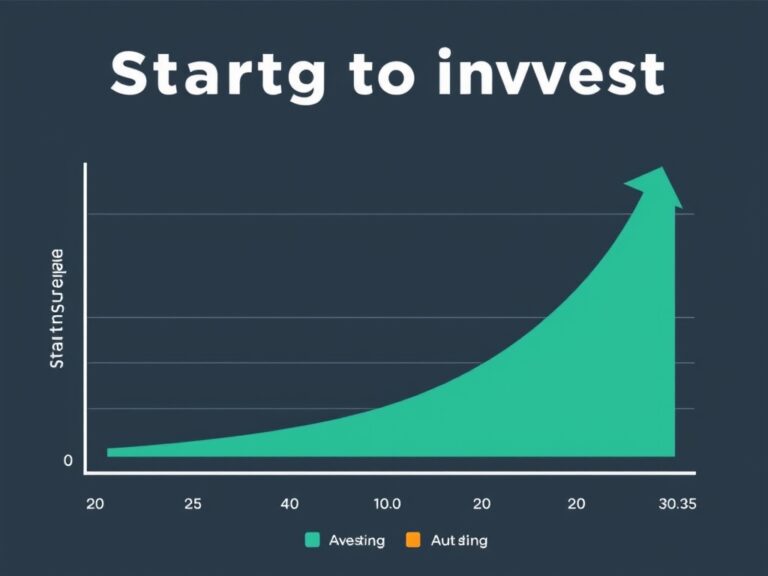
Before you throw a single dollar into the market, you need to define your Long vs. Short-Term Goals. Think of your money as a team of employees; some are on short-term contracts for immediate needs, while others are your lifelong partners for retirement. Short-term goals typically include things like an emergency fund, a down payment for a house, or even a dream vacation. For these, you want low-risk stability, like high-yield savings accounts or money market funds. Long-term goals, however, are where you let the market do the heavy lifting for your future self. 🏔️ Understanding the difference prevents you from making emotional decisions during market dips. When you invest with a ten-year horizon, a bad week in the stock market is just a tiny blip on a much larger upward trend.
- Short-Term Goals: High liquidity, preservation of capital, and low volatility.
- Long-Term Goals: Growth-oriented approach, higher risk tolerance, and focus on compounding.
- Balance: Finding the right mix between safety for today and growth for tomorrow.
By segmenting your money, you ensure that you aren’t dipping into your retirement fund to pay for a car repair. This clarity is the foundation of a successful investing strategy. It allows you to stay calm when others are panicking. Planning your roadmap requires looking at both the horizon and the road right in front of you.

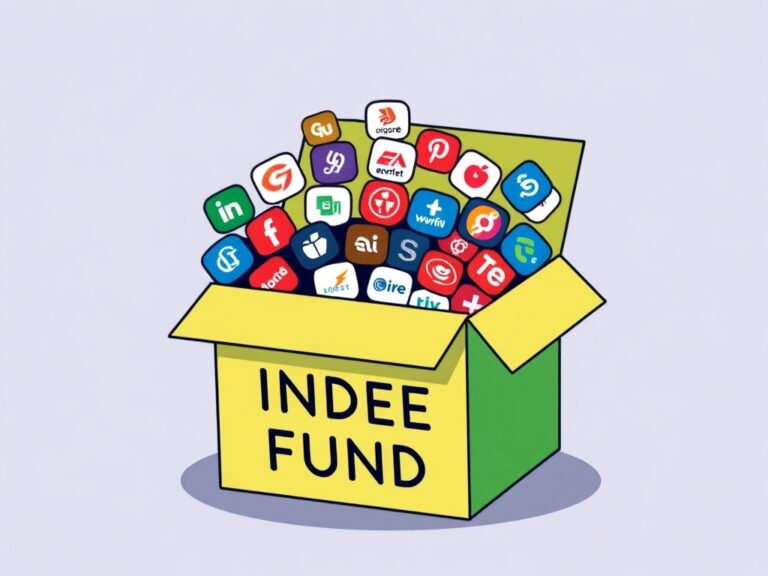
Now, let’s talk about where to actually put your money, specifically identifying the Best Index Funds for beginners. Instead of trying to find the ‘next big stock’ like a needle in a haystack, why not just buy the whole haystack? Index funds allow you to own a tiny piece of hundreds or even thousands of companies simultaneously, providing instant diversification. This passive approach often outperforms professional stock pickers because it keeps fees low and removes human error. 📈 Most experts recommend starting with a total stock market fund or an S&P 500 index fund. These funds track the performance of the largest and most successful companies in the world.
- Diversification: Spreads risk across multiple sectors and industries automatically.
- Low Cost: Expense ratios are often near zero, saving you thousands in the long run.
- Simplicity: You don’t need to read earnings reports or watch news cycles constantly.
By choosing index funds, you are betting on the overall growth of the economy rather than a single CEO’s performance. It is a proven strategy for building long-term wealth without the stress of active trading. You simply set up an automatic contribution and let the global market work for you. This is the cornerstone of a ‘set it and forget it’ portfolio that wins over decades.
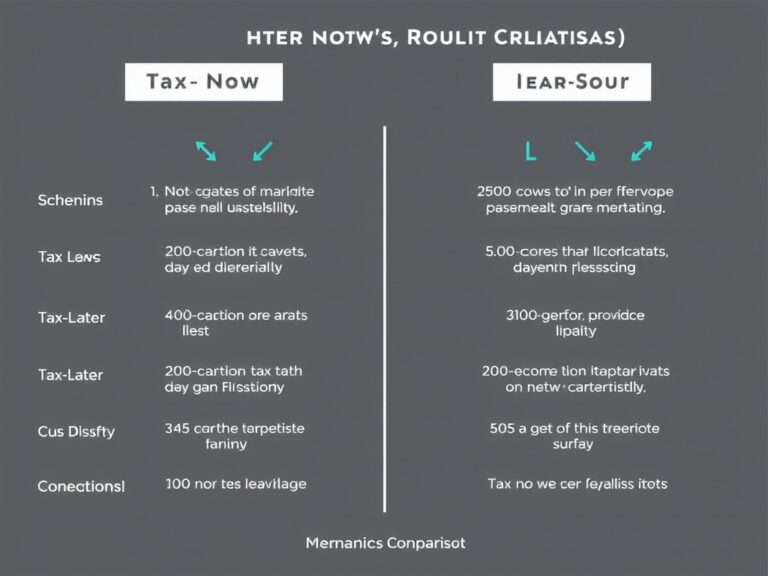
One of the most common questions I get is the classic retirement account debate: Roth vs. Traditional IRA. Both are tax-advantaged accounts designed to help you save for retirement, but they treat your taxes very differently. With a Traditional IRA, you contribute pre-tax dollars, which might lower your tax bill today, but you’ll pay taxes when you withdraw the money later. On the flip side, a Roth IRA uses after-tax dollars; you don’t get a tax break now, but your money grows tax-free, and your withdrawals in retirement are completely tax-exempt! 🏦 Choosing between them usually depends on whether you think your tax rate will be higher now or when you retire.
- Roth IRA Benefits: Best if you expect to be in a higher tax bracket later in life.
- Traditional IRA Benefits: Best if you need a tax deduction immediately to lower your current bill.
- Flexibility: Roth IRAs often allow for easier withdrawal of contributions without penalty.
Understanding these vehicles is crucial for maximizing your after-tax wealth. It’s not just about how much you make, but how much you get to keep in your pocket. Most beginners love the Roth IRA because of the ‘tax-free forever’ growth potential. Make sure to check the income limits for each, as they change annually. This choice is a key part of your Beginner’s Investing Roadmap.
Finally, let’s discuss the ultimate financial goal: building Passive Income through consistent, disciplined investing. Passive income is money that flows into your bank account while you sleep, travel, or spend time with family. While there are many ways to generate passive income, the stock market is one of the most accessible for everyone. As you invest in those index funds we discussed, many of the underlying companies pay out dividends, which are shares of their profits. 💸 If you reinvest those dividends, you purchase more shares, which in turn generate even more dividends—a beautiful cycle of growth.
- Dividend Reinvestment (DRIP): Automatically using payouts to buy more stock shares.
- Scalability: The more you invest, the larger your passive ‘paychecks’ become over time.
- Financial Freedom: The point where your passive income covers all your living expenses.
This isn’t a ‘get rich quick’ scheme; it’s a ‘get wealthy for sure’ strategy that requires patience. Every dollar you invest today is a seed that will eventually grow into a tree providing shade and fruit. By staying consistent with your Beginner’s Investing Roadmap, you are buying back your future time. Imagine a life where work is optional because your investments cover your bills comfortably. That is the power of starting small and staying the course.